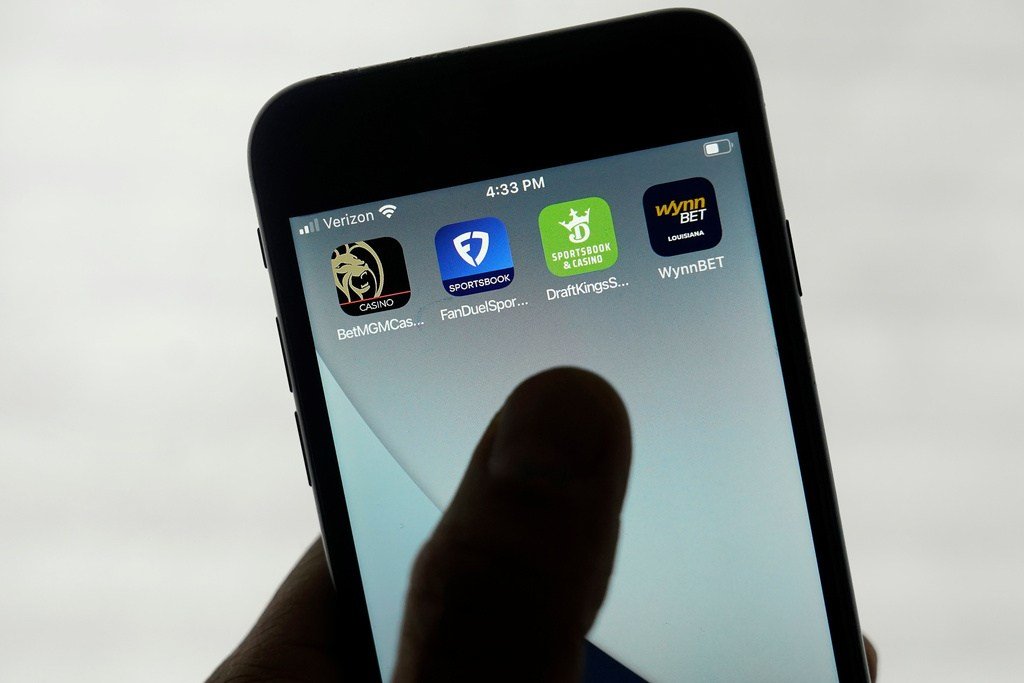
America's gambling problem has evolved beyond the casino floor. With the rise of mobile apps and artificial intelligence, betting has become a pervasive, invisible addiction that can be indulged anywhere, at any time, with just a smartphone and a bank account. This new reality is creating a public health crisis that experts say is more insidious than traditional substance abuse.
The Hidden Addict
Unlike drug or alcohol addiction, which often leaves visible physical traces, gambling addiction is notoriously difficult to spot. A successful professional can lose thousands of dollars on a phone during a lunch break, then sit down to dinner with family, no one the wiser. The very nature of the activity offers a seductive promise: the next bet could win it all back. This cycle of loss and false hope is what makes gambling uniquely dangerous.
The traditional casino required a physical journey—a trip to a brick-and-mortar location, a face-to-face interaction with a cashier. Those barriers provided a natural pause, a moment for reflection. The smartphone has obliterated those barriers, placing a casino in every pocket, available at a red light, at a funeral, or at 2 a.m. in bed.
AI as a Predatory Tool
Now, artificial intelligence is amplifying the problem. Gambling companies like DraftKings, which function as technology firms, collect vast amounts of data on user behavior. AI algorithms can analyze this data to identify who is most likely to keep betting and who is most vulnerable to heavy losses. The technology is becoming better at understanding a gambler's psychology than the gambler himself.
This data-driven approach creates an asymmetric war. The software tracks how a user reacts to a loss, when they are most likely to close the app, and what kind of incentive—like a “bonus bet” notification—will draw them back. The goal is not to foster responsible gambling but to monetize impulses, often to the point of financial ruin.
Inverted Incentives
In other industries, data analytics are used to protect consumers. Banks flag reckless spending to prevent bankruptcy; hospitals use data to catch diseases early. But sports betting platforms operate under an inverted set of incentives. The most profitable customer is not the casual fan who bets $10 on the Super Bowl; it is the user who loses consistently, emotionally, and has the credit to sustain those losses.
Chemical addictions have biological limits—the body eventually shuts down. Gambling has no such natural brake. The instrument of destruction is also perceived as the tool of salvation. A man who loses $15,000 in a night sees the app not as the poison, but as the only way to get his money back by sunrise. This creates a vicious cycle that feeds on itself.
Micro-Betting and the New Normal
The advent of micro-betting has made the problem worse. Traditional betting required waiting hours for a game to end. Now, bettors can wager on the outcome of a single pitch, a free throw, or whether a fight will break out in a hockey game. This turns every contest into hundreds of rapid-fire, dopamine-releasing events, making the experience feel more like a slot machine than sports fandom.
Unlike a recovering alcoholic, who does not receive personalized push notifications from a liquor store with a midnight special, gamblers are constantly bombarded with tailored messages designed to lure them back. The industry has been handed the most advanced tools of psychological manipulation in history, and it is using them with impunity.
The consequences are already visible. America has deregulated a multi-billion-dollar parasitic industry, and the social and financial fallout could be devastating. Public perception of tech companies is shifting, but the regulatory response has lagged. As political priorities remain focused elsewhere, the gambling crisis continues to grow largely unchecked. The nation's next great addiction crisis is already here, and it is hidden in plain sight.