President Trump's pick for Special Presidential Envoy for Hostage Affairs, John Coale, brings a proven record of transactional diplomacy that could finally break the gridlock in securing the release of Americans held abroad. With U.S. citizens still detained in Iran, Russia, China, and Afghanistan, the Senate's swift confirmation is not just a procedural matter—it is a matter of life and death.
A Deal That Worked
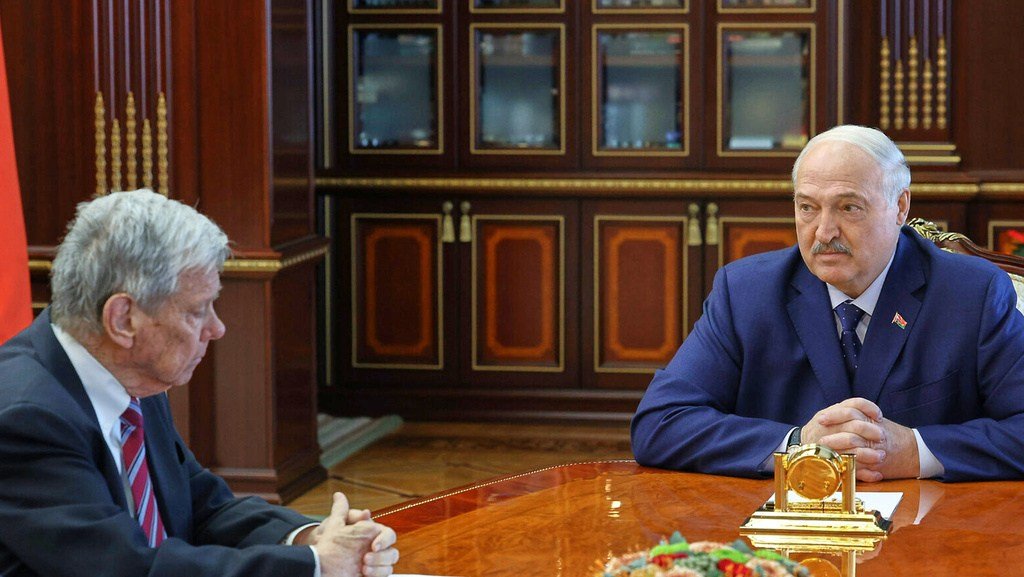
Coale orchestrated a complex arrangement with Belarus that leveraged sanction relief and economic incentives to free hundreds of prisoners, including American and allied nationals. This is not a novel approach; the U.S. has long used such tools in hostage negotiations. Yet, too often, diplomats shy away from these levers, paralyzed by concerns about moral equivalence. The result is that viable deals are left unexplored, and wrongful detainees languish in foreign prisons for years longer than necessary.
The irony is that these same tools—trades, sanctions relief, or financial incentives—are ultimately used anyway, but only after prolonged suffering. As Neda Sharghi, whose brother Emad was wrongfully held in Iran from 2018 to 2023, puts it: "The deals never get better. We ultimately end up using these exact same tools to secure their release anyway."
A Personal Stake
Sharghi's family experienced this delay firsthand. In 2021, a potential agreement was on the table to free her brother and four other Americans through a prisoner swap and a transfer of frozen funds under strict oversight. That framework was nearly identical to the one that finally brought him home in 2023—but only after two more agonizing years in Tehran's Evin prison.
This is why Coale's appointment is so fitting. A lawyer by training, he approaches negotiations with a win-loss mindset. His fiduciary duty is to his client—in this case, President Trump—and his sole focus is on achieving the best outcome for that client. With innocent American lives at stake, that focus aligns perfectly with the administration's stated commitment to bringing our citizens home.
Transactional Realism Works
Coale's Belarus deal is a clear indication of how he will operate as envoy. He is unafraid to use all available tools, rejecting the pollyannaish approach that has too often left Americans to wither in foreign cells. The empty prison cells in Minsk are a testament to the effectiveness of transactional realism.
By prioritizing results over rigid ideology, Coale is setting a new standard for American statecraft—one that recognizes the state's most fundamental duty is to protect and return its people. The Senate should confirm him without delay.
As the debate over hostage policy continues, the stakes could not be higher. For families like the Shargis, every day of delay is a day too many. Coale's record suggests he understands this urgency. The question is whether the Senate will act on it.