Lawmaker Voices Skepticism Amid Conflicting Reports
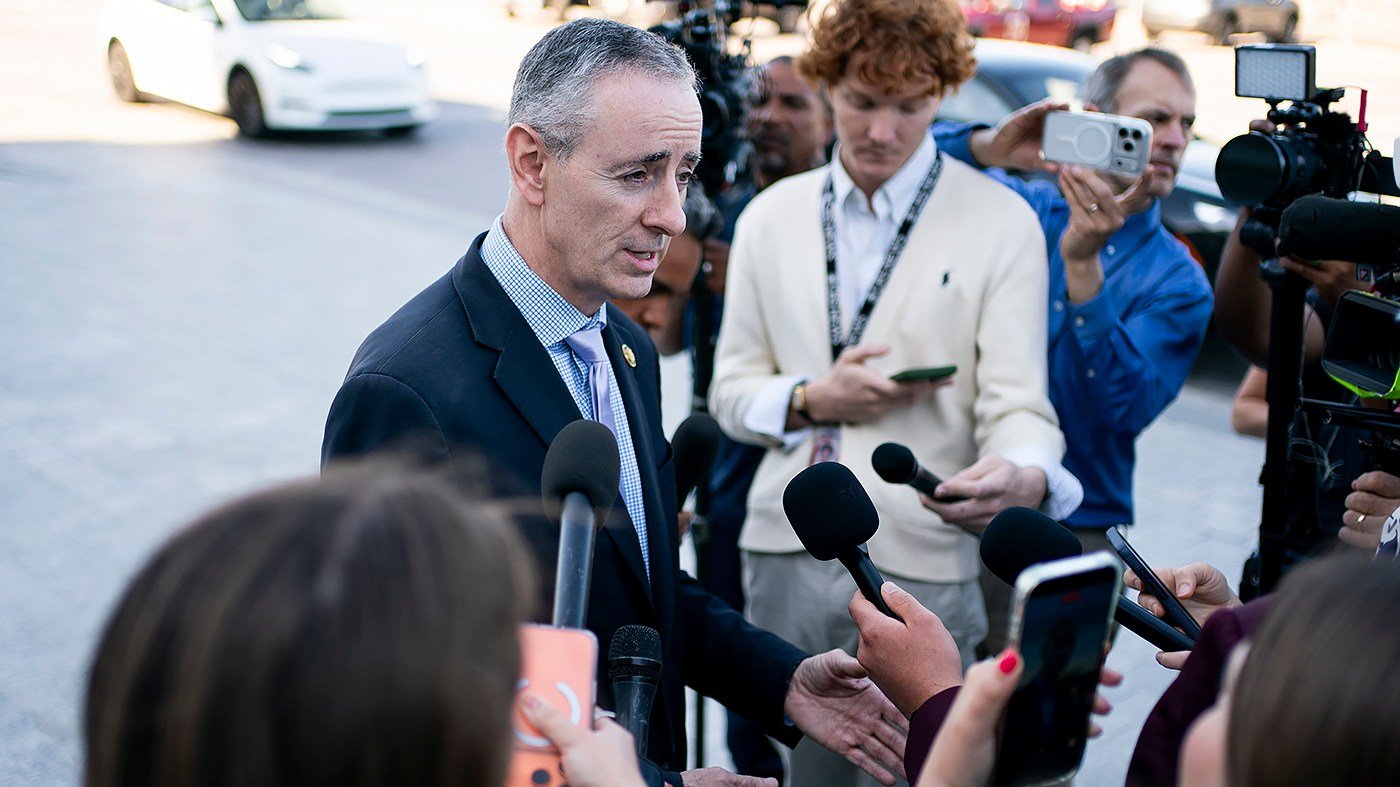
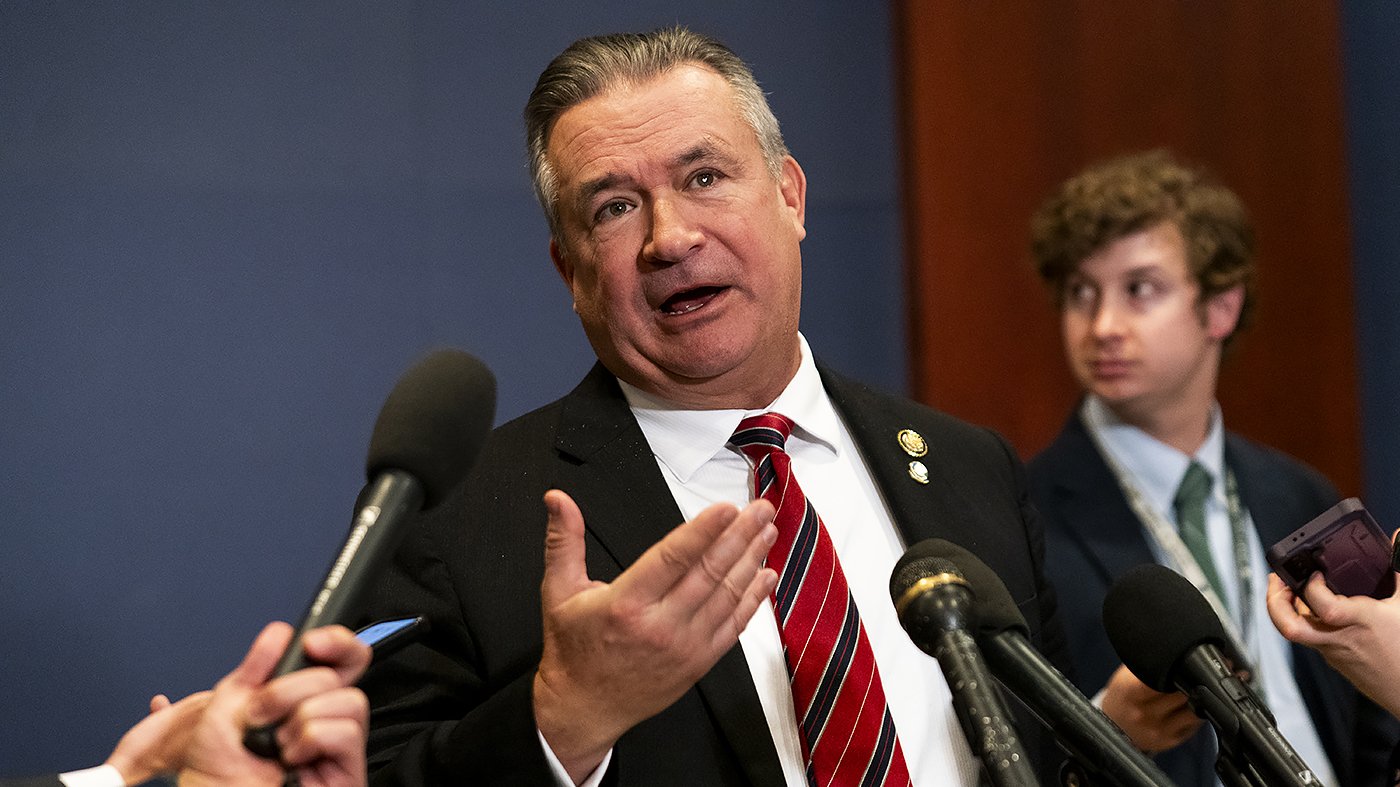
Republican Representative Don Bacon expressed significant doubts about the durability of a ceasefire agreement between the United States and Iran, casting uncertainty over an announced de-escalation just one day after President Trump proclaimed a temporary halt in fighting. In an interview with CNN, Bacon hesitated to endorse the deal, telling anchor Kate Bolduan, "I am not sure there's a deal."
The Nebraska congressman suggested the coming hours would be critical, stating, "That will bear out in the next 24 to 48 hours, but if they keep firing, we still have more targets that we can hit in Iran." His comments underscored the fragile nature of the diplomatic arrangement even as the Trump administration declared military victory.
Pentagon Claims Victory as Attacks Continue
Defense Secretary Pete Hegseth characterized recent operations as an "overwhelming victory" during a Pentagon briefing, claiming the campaign had rendered Iran's military "combat ineffective for years to come." This assessment followed Trump's announcement that Iranian leadership had agreed to fully reopen the Strait of Hormuz, a vital global oil shipping corridor that had been effectively closed during recent hostilities.
However, Hegseth's triumphant declaration coincided with reports from multiple Gulf nations detailing continued Iranian attacks. Saudi Arabia's defense ministry stated it had intercepted nine drones, while the United Arab Emirates reported engaging 17 ballistic missiles and 35 drones. Kuwait's army said it fended off four ballistic missiles and 42 drones targeting its energy infrastructure, including facilities operated by the Kuwait Petroleum Corp.
Military Pressure Remains an Option
Bacon emphasized that American military dominance in the region provided continued leverage, noting the U.S. maintains "air superiority" and could "continue to target" Iranian leadership if hostilities resume. He referenced recent joint U.S.-Israeli strikes that eliminated several top Iranian officials, including Supreme Leader Ayatollah Ali Khamenei.
"In the end, we have the upper hand here, and it would be a mistake to withdraw that pressure prematurely if Iran continues to hit neighbors and act like a threat," Bacon argued. He contended that Iran must first acknowledge its battlefield defeat before meaningful negotiations could proceed, stating, "They need to realize they were defeated on the battlefield, and when they get to that realization, they'll be more willing to negotiate with the United States."
The conflicting narratives—between the administration's victory proclamation and ongoing regional attacks—highlight the complex challenges in securing a lasting ceasefire. This situation echoes concerns raised by analysts like General Jack Keane, who has warned Iran maintains strategic advantages in the Strait of Hormuz despite recent military setbacks.
The reported attacks on Gulf energy infrastructure also point to potential continued volatility in global oil markets, which had initially reacted positively to news of the ceasefire. Furthermore, the administration's approach reflects a broader governing style that often emphasizes dramatic declarations, even as ground realities remain fluid and contested.
As the 48-hour window referenced by Bacon unfolds, the international community watches to see whether the ceasefire will hold or whether the United States will follow through on its threat to strike additional targets within Iran. The outcome will significantly impact not only regional stability but also global energy security and the broader geopolitical balance in the Middle East.