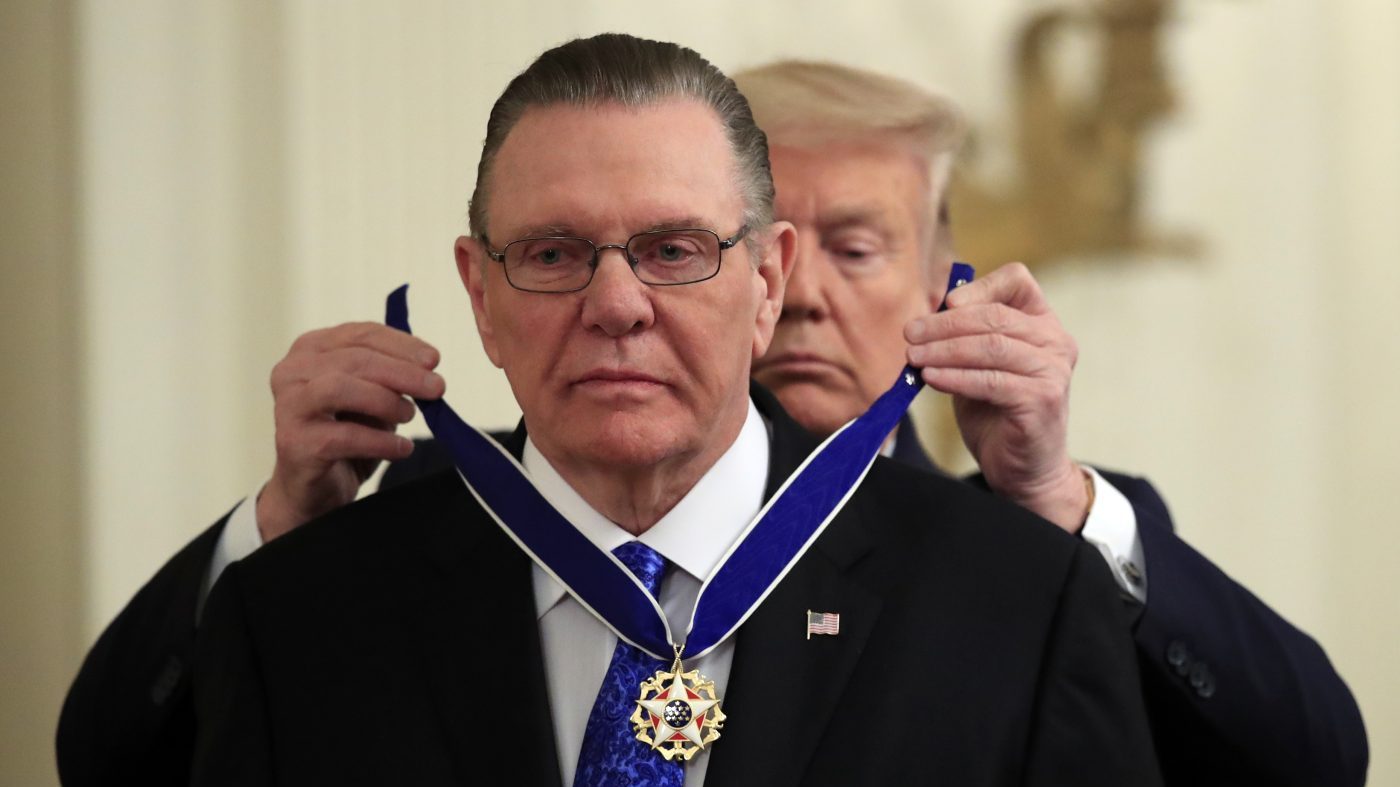
Retired Army General Jack Keane delivered a stark assessment of the fragile two-week ceasefire between the United States and Iran, arguing that Tehran emerged from the confrontation holding significant strategic leverage. In a television appearance, Keane contended that viewing the situation from Iran's perspective reveals a nation “very much in control” of critical geopolitical dynamics.
Iran's Strait of Hormuz Gambit
Keane stated that Iran's initial closure of the Strait of Hormuz, a vital global oil transit chokepoint, was a deliberate move “to stop the war.” He asserted this objective was achieved. “The Iranians are still in control,” Keane told hosts, noting that the Islamic Revolutionary Guard Corps Navy continues to assert authority over maritime traffic, demanding permission for passage. “They are very much in control of the Strait of Hormuz and all those ships are going to abide by those warnings,” he added.
According to Keane, this control sets the stage for prolonged negotiations. He suggested Iran is banking on declining oil prices and reduced economic pressure weakening the U.S. president's resolve to resume military action when the ceasefire expires. The general's comments underscore a broader debate over whether the pause in hostilities represents a tactical win for Washington or a strategic concession.
Market Reactions and Presidential Claims
The Strait's reopening triggered immediate financial consequences, with global oil prices plummeting sharply in response to the restored flow. Despite this drop, U.S. gasoline prices remained elevated.
President Trump and his administration have framed the military operation and subsequent ceasefire as victories. Trump announced the U.S. would assist with the maritime traffic backlog in the Strait, predicting “Big money will be made.” He also suggested, without detailed agreement, that the U.S. and Iran could form a “joint venture” to oversee a proposed Iranian toll system for the waterway—a concept not originally part of the ceasefire terms. This aligns with recent statements where Trump floated collaborative management of the strait.
International Warnings and Regional Context
The ceasefire has drawn scrutiny beyond U.S. analysts. Dmitry Medvedev, deputy chair of Russia's Security Council, issued a cryptic warning about Iran's management of the strait, calling it a tested “nuclear weapon” with “inexhaustible” potential. The deal also exists alongside continued regional volatility, as recent major Israeli strikes on Hezbollah highlight Lebanon's exclusion from the US-brokered pause.
Iran has stated it will use toll revenue from the strait to fund reconstruction, a point of contention for critics who warn such funds could support broader regional activities. This concern is echoed by figures like Laura Loomer, who has publicly condemned the ceasefire as a strategic failure that risks financing terrorism.
Keane's analysis presents the ceasefire not as a resolution but as an Iranian-managed intermission. He portrays a scenario where control of a single geographic bottleneck grants Tehran disproportionate influence over global energy markets, diplomatic timelines, and military decision-making in Washington, setting a complex stage for the negotiations ahead.