Acting Attorney General Todd Blanche confirmed Tuesday that the Department of Justice is actively providing legal counsel to the Trump administration concerning potential military strikes against Iran. The announcement comes as President Trump has issued stark threats against Iranian infrastructure, prompting widespread condemnation from lawmakers, international bodies, and legal experts who argue such actions could constitute war crimes.
DOJ's Role in National Security Review
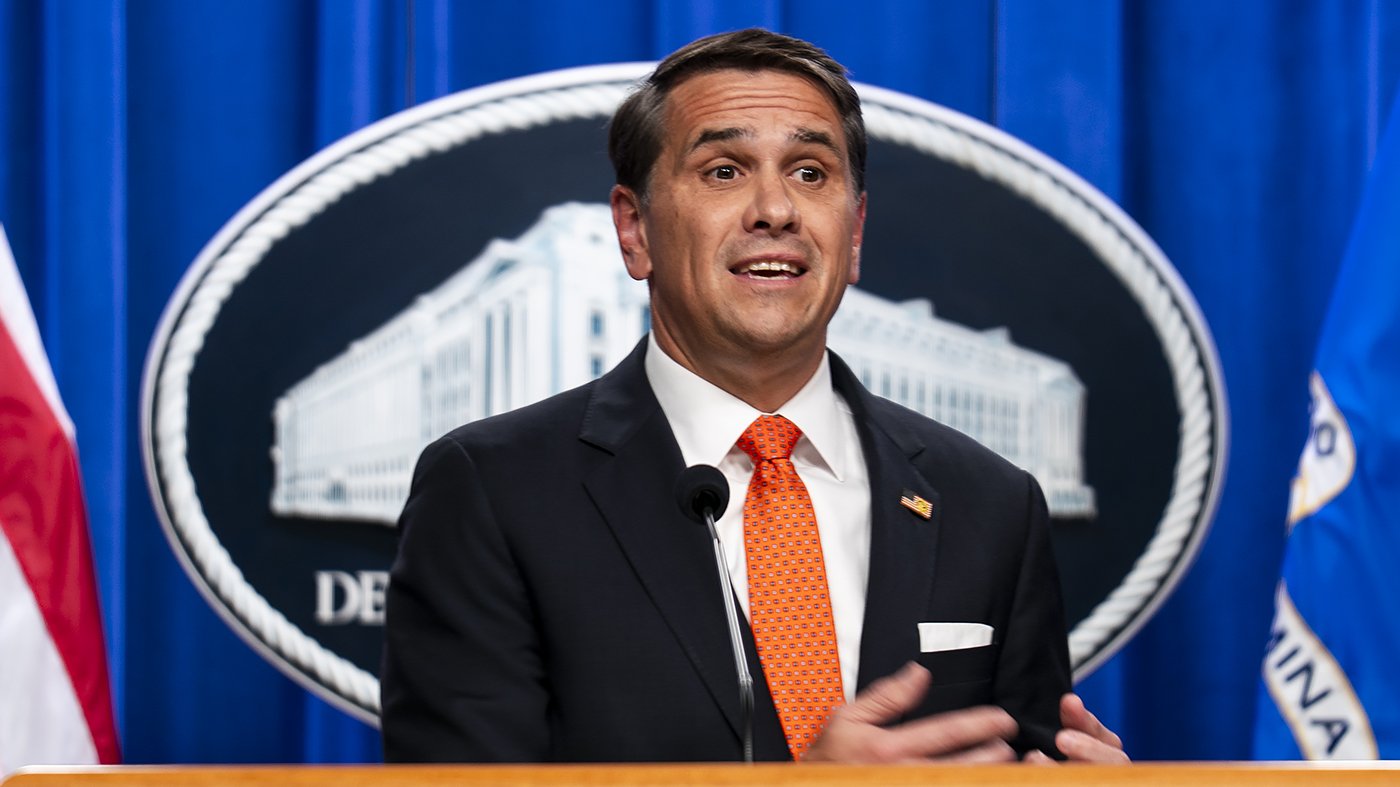
During a press conference, Blanche stated the Justice Department is fulfilling its standard advisory role for national security matters. "The Department of Justice, as it always does, supports the Department of Defense, the White House, the State Department where appropriate, and our intelligence communities," he said. "We provide counsel to them, and we have been doing that, as you would expect." This legal review occurs as the administration weighs a response to Iran's control over the Strait of Hormuz, a critical global shipping lane.
Mounting Accusations of War Crimes
President Trump has threatened to strike Iranian civilian infrastructure unless Tehran reopens the Strait, with Defense Secretary Pete Hegseth's backing. These threats have ignited a firestorm of criticism. More than 100 U.S.-based international law experts recently signed an open letter condemning previous U.S. strikes on Iranian schools, health facilities, and homes. The United Nations issued a separate reminder about the limits of armed conflict under the Geneva Conventions.
Democratic lawmakers have seized on the controversy, with some urging Republican colleagues to declare the president unfit for office. Representative Melanie Stansbury (D-N.M.) argued on social media, "These aren't policy differences. He is threatening crimes. It's time to invoke the 25th. But we can't do it alone—we need our Republican colleagues to do the right thing, for this country and for the world." This sentiment echoes broader warnings from retired military officials who have labeled the threats incompetent and potentially criminal.
Trump Dismisses Legal Scrutiny
Amid the uproar, President Trump has brushed aside questions about the legality of the proposed strikes. His administration's position is partly rooted in the United States' non-membership in the International Criminal Court (ICC). The U.S. is not a party to the Rome Statute, the treaty that established the ICC, and therefore does not accept the court's jurisdiction over alleged war crimes. The U.S. initially signed the statute in 2000, but the Senate never ratified it. President George W. Bush later formally withdrew the signature, a move championed by officials like John Bolton who argued it threatened U.S. sovereignty.
The Trump administration has previously praised allies like Israel for criticizing the ICC's "flawed approach," arguing it hinders democratic nations' right to self-defense. Notably, Trump has consistently dismissed war crime concerns related to targeting civilian infrastructure. Meanwhile, the administration faces internal pressure, as evidenced by impeachment articles filed against Defense Secretary Hegseth by some lawmakers over the Iran posture.
Broader Geopolitical and Legal Context
The legal debate unfolds within a complex geopolitical landscape. While the U.S. holds a permanent seat on the U.N. Security Council, its stance on the ICC places it alongside more than 70 other nations—including Iran and Israel—that are not parties to the Rome Statute. These nations represent a significant portion of the global population and military power. The ICC has an active investigation into Israel regarding actions in Palestinian territories, which are a member of the court, highlighting the political dimensions of international justice.
As Acting AG Blanche outlines the Justice Department's priorities under the current administration, the provision of legal cover for potential military action remains a flashpoint. Some analysts, like Senator Blumenthal, warn that military strikes alone cannot achieve lasting strategic objectives in Iran. The situation remains volatile, with the administration's legal justifications poised to face intense scrutiny both domestically and abroad as threats continue.