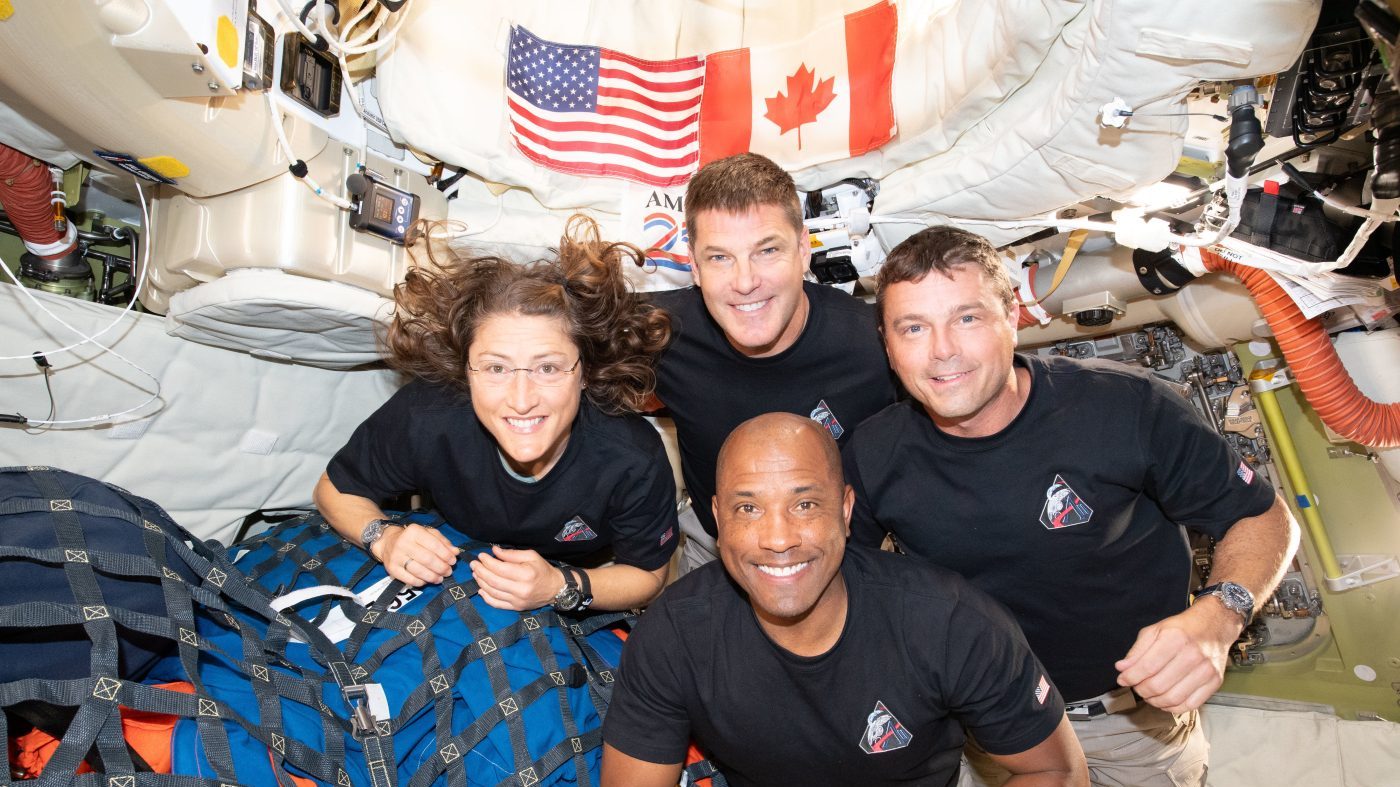
NASA is set to deliver a comprehensive briefing on the status of the Artemis II mission, with the four-person crew preparing for their scheduled return to Earth at the end of this week. The update comes as the uncrewed test flight, a critical precursor to returning humans to the lunar surface, nears completion of its objectives.
Historic Mission Nears Conclusion
The Artemis II mission, which launched on April 1, has successfully executed a lunar flyby, carrying its crew capsule farther from Earth than any human-rated spacecraft has ever traveled. The mission's trajectory took it more than 252,000 statute miles from our planet, officially breaking the long-standing record of 248,655 miles set by the Apollo 13 mission in 1970. This milestone underscores the technical ambitions of the Artemis program and its foundational role in establishing a permanent human presence on the Moon.

The crew for this historic journey consists of Commander Reid Wiseman, Pilot Victor Glover, Mission Specialist Christina Koch, and Canadian Space Agency Mission Specialist Jeremy Hansen. Their mission has focused on testing the Orion spacecraft's life support, communication, and navigation systems in the deep space environment, data crucial for the planned crewed lunar landing.
Briefing Details and Mission Context
The agency's update is scheduled for 5 p.m. Eastern Daylight Time. Officials are expected to summarize the mission's technical performance, the crew's status, and the preparations for the capsule's re-entry, splashdown, and recovery operations. The successful completion of Artemis II is a non-negotiable gateway for NASA's timeline, which aims to land astronauts on the Moon with the Artemis III mission later this decade.
This mission represents the first crewed voyage to lunar vicinity in over fifty years, marking a significant revival of deep space exploration led by the United States and its international partners. The political and strategic dimensions of this program are substantial, occurring amid shifting global dynamics and diplomatic engagements that often influence funding and international collaboration in space.
Throughout their journey, the crew has conducted numerous system checks and provided insights into the spacecraft's performance. Earlier reports from the mission highlighted unprecedented views of the lunar surface and noted the importance of crew cohesion during the long-duration flight. The breaking of the Apollo 13 distance record was a carefully planned objective, demonstrating the Orion capsule's capabilities for future, longer-duration missions.
The Artemis program operates within a complex political ecosystem, requiring sustained congressional appropriations and executive branch support. Its progress is frequently highlighted by administrations as a symbol of national technical prowess and leadership. The mission's success thus far reinforces the technical foundation for more ambitious goals, even as political attention on Earth remains divided among other pressing issues.
As the crew turns its focus toward re-entry, the upcoming NASA briefing will provide critical data for engineers and program managers. The information will inform the final preparations for Artemis III and solidify confidence in the spacecraft's design. The live coverage of the event offers policymakers, stakeholders, and the public a transparent look into the culmination of this multi-billion-dollar endeavor.