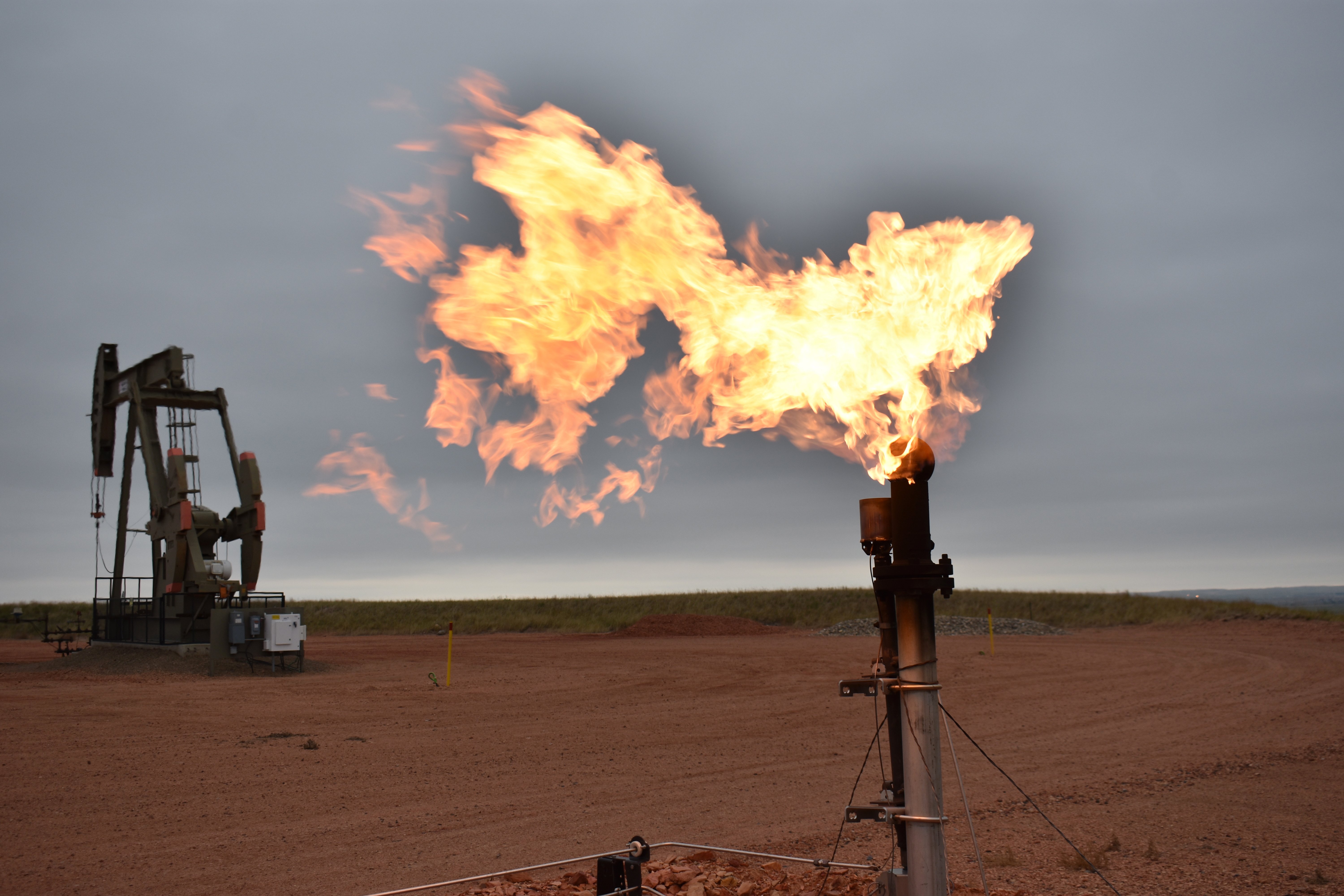
The Environmental Protection Agency moved Monday to relax key provisions of a Biden administration rule designed to curb methane emissions from oil and gas operations, signaling the start of a significant regulatory rollback. The action targets restrictions on flaring, the practice of burning off excess natural gas during oil extraction.
First Step in Broader Reversal
Monday's rulemaking represents the initial phase of a promised overhaul. The agency indicated it is developing a more comprehensive proposal to further amend the methane regulations, which the Trump administration has characterized as economically burdensome. EPA Administrator Lee Zeldin framed the move as correcting what he called regulatory overreach.
"My predecessors weaponized environmental regulations to regulate the oil and gas industry out of existence," Zeldin stated. "Making rules workable for owners and operators advances American energy dominance, lowers cost for American families, and ensures the United States is providing better and cleaner energy."
Specific Changes to Flaring Rules
The core change extends the permitted timeframe for emergency flaring at new oil wells. The Biden-era rule, which sought to phase out routine flaring, allowed companies 24 hours to flare gas under specific emergency circumstances. The new Trump rule triples that window to 72 hours.
The administration estimates the adjustment will save the oil and gas sector approximately $208 million annually. Notably, the EPA did not calculate the rule's potential climate impacts in its announcement, though it acknowledged the changes could lead to increased emissions.
Environmental Groups See Warning Sign
Climate advocates view the move as a precursor to more substantial deregulation. "In and of itself, it's relatively small changes, but it's the first move on what we consider to be a pretty significant effort to remove and water down regulation on methane from the oil and gas sector," said Jon Goldstein, associate vice president at the Environmental Defense Fund, describing the rule as a "harbinger."
Methane is a potent greenhouse gas, with a warming potential approximately 28 times greater than carbon dioxide over a century. It accounts for an estimated 20 to 30 percent of global warming to date, making emissions from fossil fuel production a major climate concern.
Context of Broader Agenda
This regulatory shift aligns with the Trump administration's broader energy and environmental agenda, which prioritizes domestic production and deregulation. The move follows other recent actions, such as the nullification of Title IX gender identity agreements, demonstrating a pattern of overturning Biden-era policies.
The administration's focus extends beyond domestic policy, with aggressive posturing on international issues. This includes proposing U.S. toll collection in the Strait of Hormuz and issuing stark threats against Iran, like setting ultimatums that threaten civilian infrastructure destruction, drawing criticism over potential war crime implications.
The EPA's methane rule revision is now subject to a public comment period before final implementation. The action sets the stage for a prolonged legal and political battle over the federal government's role in regulating greenhouse gas emissions from the energy sector.