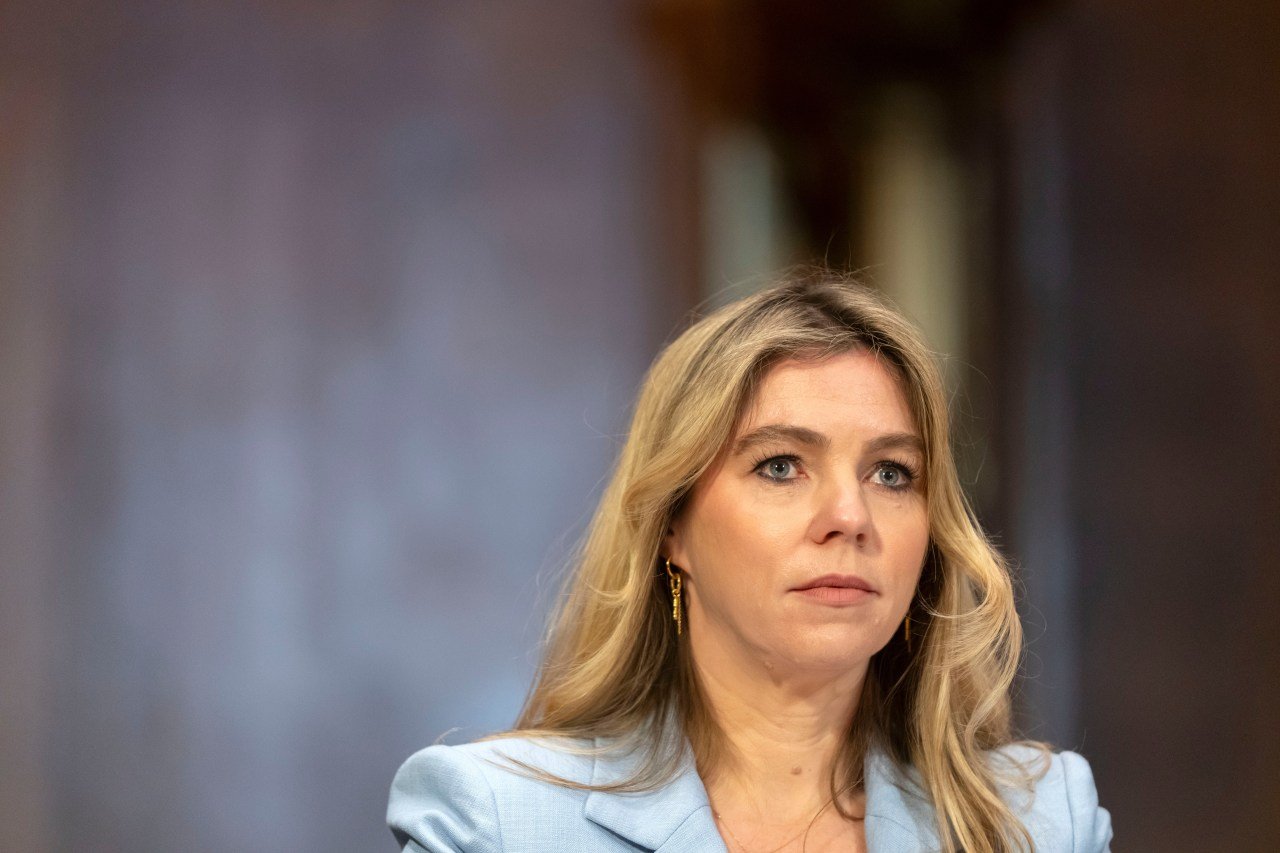
A former Meta executive whose memoir paints an unflattering portrait of the company's leadership has taken legal action, accusing the tech giant of trying to muzzle her. Sarah Wynn-Williams, who served as Facebook's director of global public policy from 2011 until her dismissal in 2017, filed a lawsuit Thursday in federal court in Northern California challenging the validity of a private arbitration order that she says bars her from speaking about Meta or promoting her bestselling book.
The lawsuit argues that the severance agreement she signed upon leaving the company—which included a non-disparagement clause—was executed under duress. Wynn-Williams contends that Meta is using these legal tools to silence her, seeking $50,000 in damages for each alleged violation of the agreement, placing her under financial pressure. She is asking the court to lift the arbitration order and void the severance deal.
Her memoir, titled 'Careless People,' offers an insider account of alleged misconduct at the highest levels of the company. It describes what she claims were cruel and disturbing behaviors by CEO Mark Zuckerberg and other executives, including efforts to curry favor with Chinese officials. Meta has dismissed the book as inaccurate and has accused Wynn-Williams of violating her contractual obligations.
Meta responded with a sharp statement, saying: “Our former employee is trying to use the legal process to sell books, which an arbitrator already ruled broke the agreement she signed with the company when she accepted a large severance payment years ago. Her book is divorced from reality, disparaging and riddled with false claims.”
According to the lawsuit, Meta obtained an emergency gag order that prevents Wynn-Williams and her legal team from criticizing the company or promoting the book. The filing alleges that for over a year since the book's publication, Meta has surveilled her—sending representatives to her public appearances and photographing her—to document that she said nothing about Meta or her book. The company even objected to her attending an arts and literary festival in the U.K., where she remained silent on a panel because other participants were critics of the company.
The legal battle echoes broader tensions around free speech and corporate power. In a landscape where political figures like former President Trump have faced scrutiny over similar legal tactics—such as in our coverage of Trump’s SLAPP suits as a strategy to silence the press—this case highlights the intersection of tech industry practices and First Amendment rights.
The lawsuit asserts that Meta's actions are designed to intimidate not just Wynn-Williams but also any potential whistleblowers. “Meta is pursuing Ms. Wynn-Williams at the expense of free speech and legal constraints not only because she refused to bow to the greed and power of Meta, Mr. Zuckerberg, and other executives, but also to strike fear into the heart of anyone else who dares to consider speaking the truth about Meta’s unlawful and abusive practices in the public interest,” the filing states.
The case is likely to draw attention from policy makers and legal experts, especially as debates over corporate accountability and employee speech continue. Meanwhile, Wynn-Williams remains under the gag order, prohibited from discussing the book or the company that shaped her career. Her legal challenge now rests on whether the court will side with her claim of duress or uphold Meta's contractual authority.