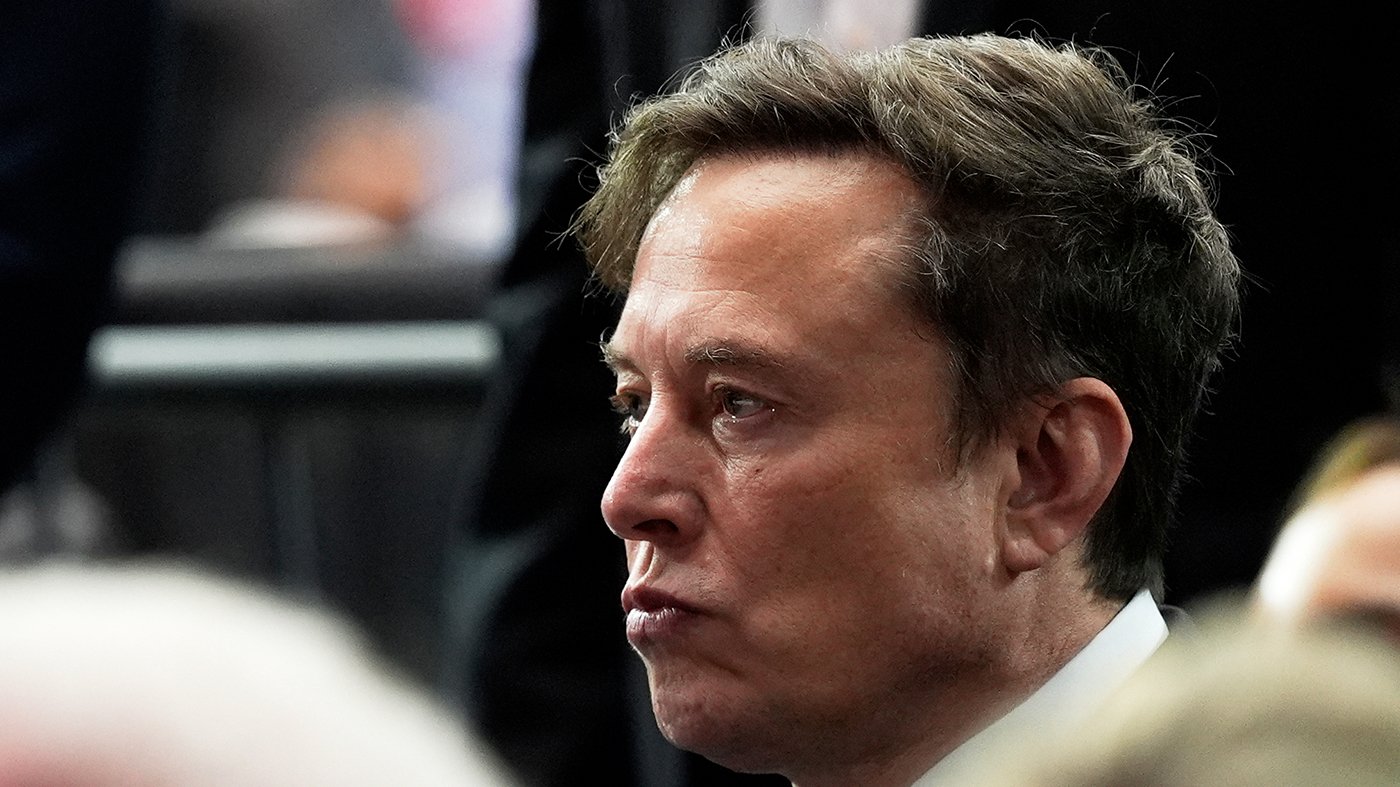
Elon Musk is pushing back against allegations that Tesla’s full self-driving software was responsible for a crash that killed a 76-year-old woman in Katy, Texas, last week. The Tesla CEO took to X on Monday to call the claims nonsensical, arguing the system is programmed to drive slowly through residential areas.
“This makes no sense,” Musk wrote. “FSD drives slowly through neighborhood streets and this was a high speed crash!”
The incident occurred last Friday when a Tesla plowed through the front of Martha Avila’s home. Avila died at the scene. Police and the driver have both indicated that Tesla’s automated driving assistance system was active at the time, according to a lawsuit filed by Avila’s daughter, Jennifer Barbour, and her husband, Justin Barbour.
Tesla’s vice president of AI software, Ashok Elluswamy, echoed Musk’s defense, claiming the driver “manually overrode self-driving by pressing the accelerator all the way to 100% of the accel pedal in this residential area.” This assertion shifts blame onto the driver, Michael Butler, who is named alongside Tesla in the suit.
The crash has reignited scrutiny of Tesla’s autonomous driving claims. Critics argue that the company’s marketing of its Full Self-Driving package—which costs thousands of dollars—misleads consumers into overestimating its capabilities. While Tesla warns drivers must remain attentive, several accidents involving the system have raised questions about its safety.
This is not the first time a Tesla crash in Texas has drawn attention. In 2021, two men died in a fire after a Tesla crashed near Houston with no one behind the wheel, leading to federal investigations. The National Highway Traffic Safety Administration has probed dozens of incidents involving Tesla’s driver-assist features.
In the Katy case, Barbour’s lawsuit alleges negligence and seeks damages for wrongful death. The family’s attorney has pointed to police reports and the driver’s statements as evidence that automated driving was engaged. Musk’s public dismissal of the claim may fuel further legal battles over Tesla’s liability when its systems are involved in crashes.
For now, the debate centers on whether the driver or the technology bears responsibility. As Tesla on Autopilot plows into Texas home, killing 76-year-old woman, the case highlights ongoing tensions between innovation and accountability in the auto industry.
Texas authorities continue to investigate the crash. Meanwhile, the Barbour family is pressing for answers in court, seeking to hold both the driver and the company accountable for a tragedy that has shaken their community.