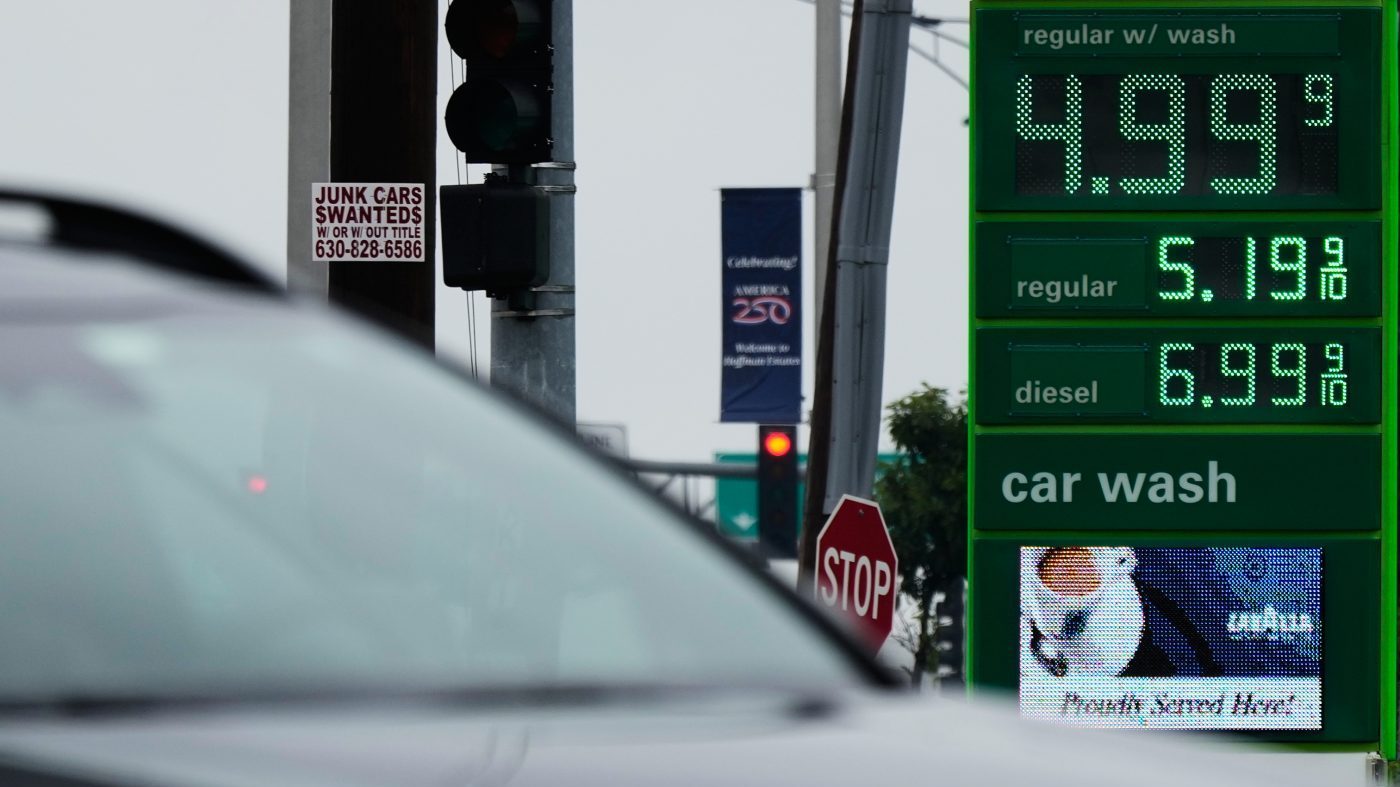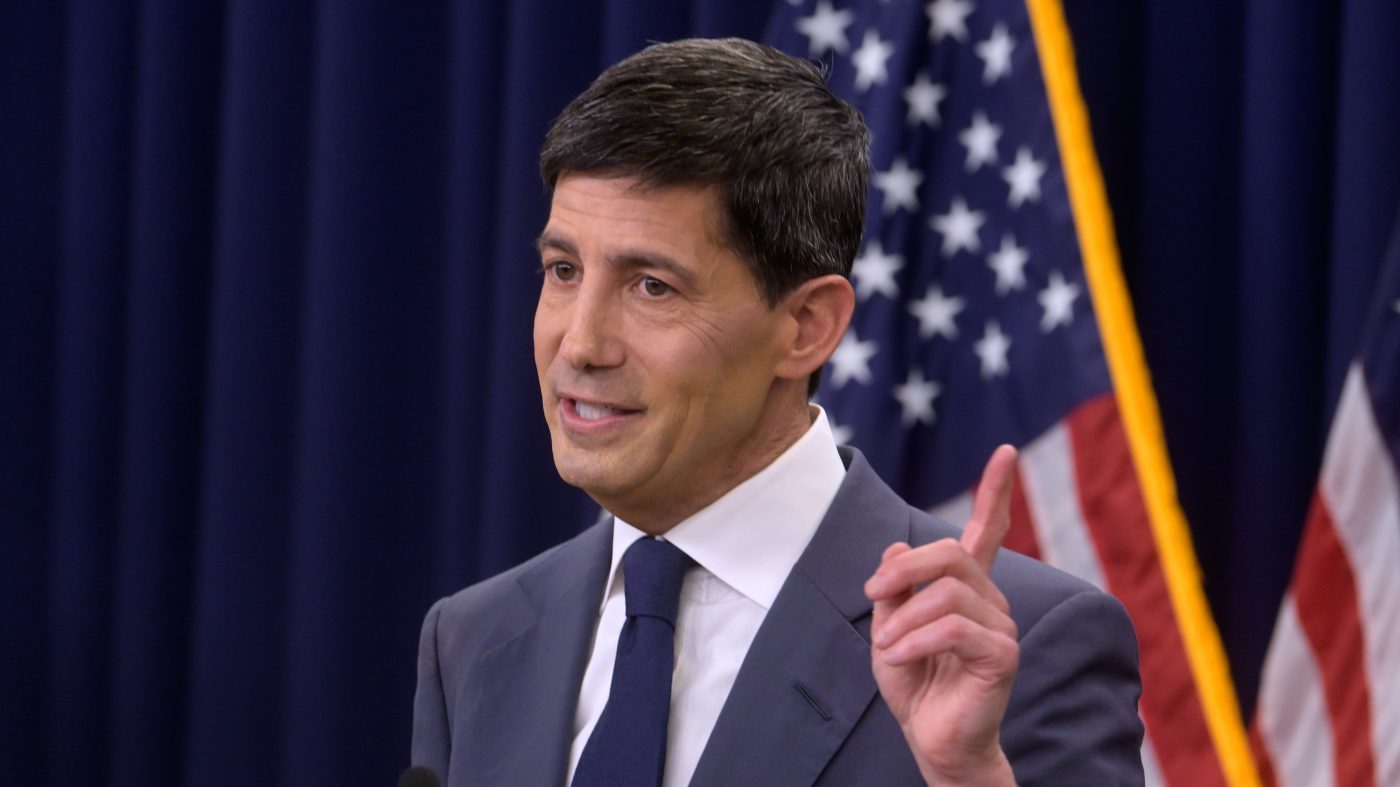
Federal Reserve Chair Kevin Warsh moved to calm inflation anxieties on Wednesday, telling a panel of central bankers in Portugal that price pressures are receding. Speaking at the annual conference, Warsh pointed to a sharp drop in energy costs following last month's framework agreement between the United States and Iran as a key factor.
“Inflation risks have come down,” Warsh said. He noted that energy rates have fallen “quite substantially” since the deal, though he acknowledged they remain “a bit above where they were preconflict.”
When pressed on whether the Fed would lower interest rates to ease the burden on households and bolster public confidence in President Trump’s economic agenda, Warsh deflected. He stressed the institution’s long-standing independence from political influence, declaring, “We’ve been an independent central bank for a very long time. We’re going to be an independent central bank at this moment, and you’re going to see no changes to that.”
The Fed chief revealed that the board of governors plans to meet again in four weeks for what he called a “good family fight” over the rate path. “When we get in the room and shut the door, we’re going to have a good debate, but I don’t have much more for you than that,” he said.
Warsh, appointed by Trump in March after the president publicly criticized predecessor Jerome Powell for not cutting rates, had previously signaled support for lower borrowing costs. Yet since taking office, he has pivoted to prioritizing inflation control. At his first policy meeting last month, the Fed held the benchmark interest rate steady at 3.5% to 3.75%.
The chair also addressed concerns about artificial intelligence displacing American workers. He predicted the U.S. would be “a big winner” in AI development, drawing a parallel to the internet’s job-creation legacy. “Who knew when the internet began that the internet was going to create a million and a half jobs as Uber drivers?” he said. “We are in the first or second inning of this revolution. This is a big paradigm shift both for the conduct of our policy and our economies. I think the jobs will be greater, prosperity will be stronger.”
However, Warsh cautioned that “timing” matters for AI’s integration into the labor market. He reiterated the Fed’s “dual mandate” to foster maximum employment and stable prices, adding, “We’ll be monitoring the speed of it. But if you wanted me to sound like a pessimist and a doomer on this, I’m afraid I’m not there.”
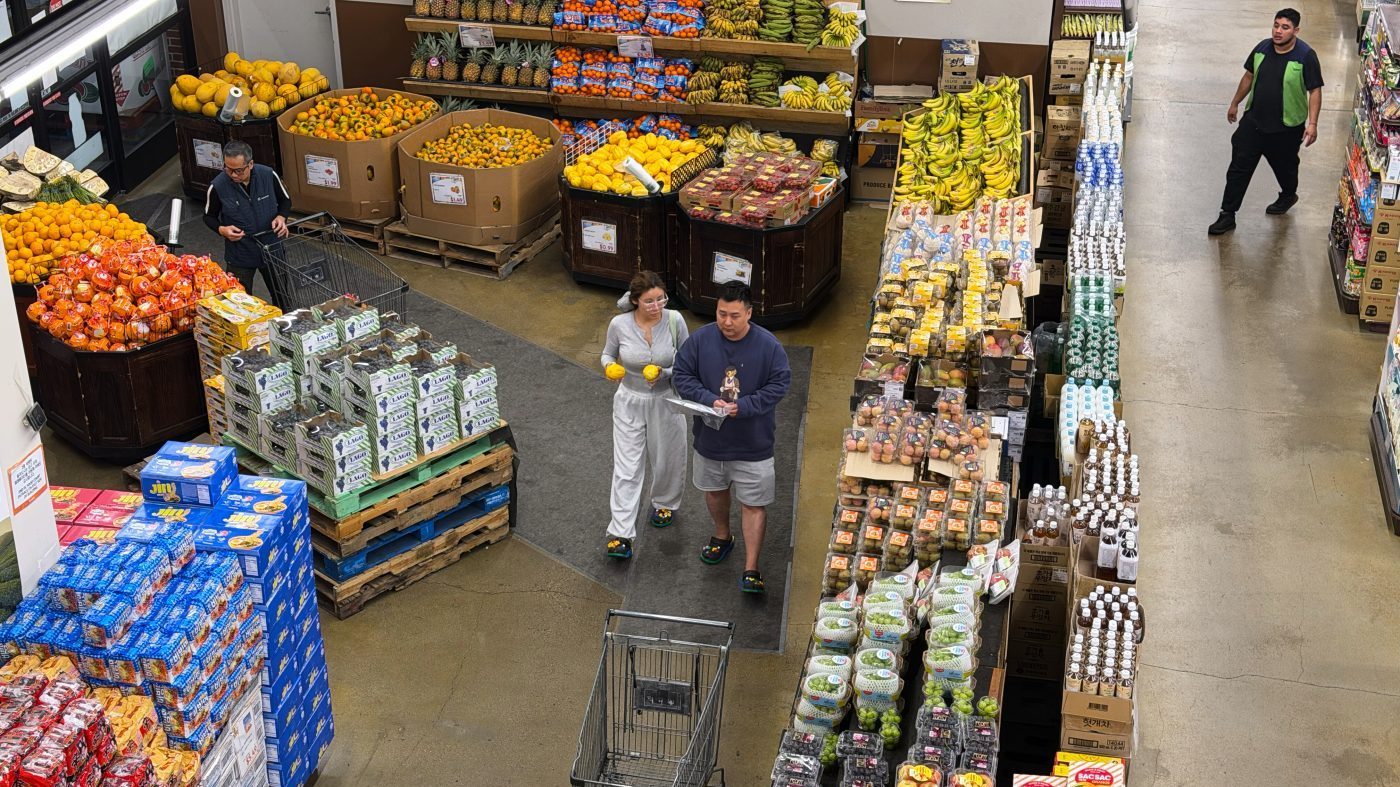
The comments come as inflation remains a political vulnerability for Trump, with the latest data showing consumer prices rising at an annual rate of 4.1%. The administration faces a tight window to curb inflation before the midterm elections, as detailed in this analysis. Meanwhile, the Fed’s independence has been a flashpoint, with Trump previously pressuring Powell to cut rates, a dynamic that shaped Warsh’s own nomination.