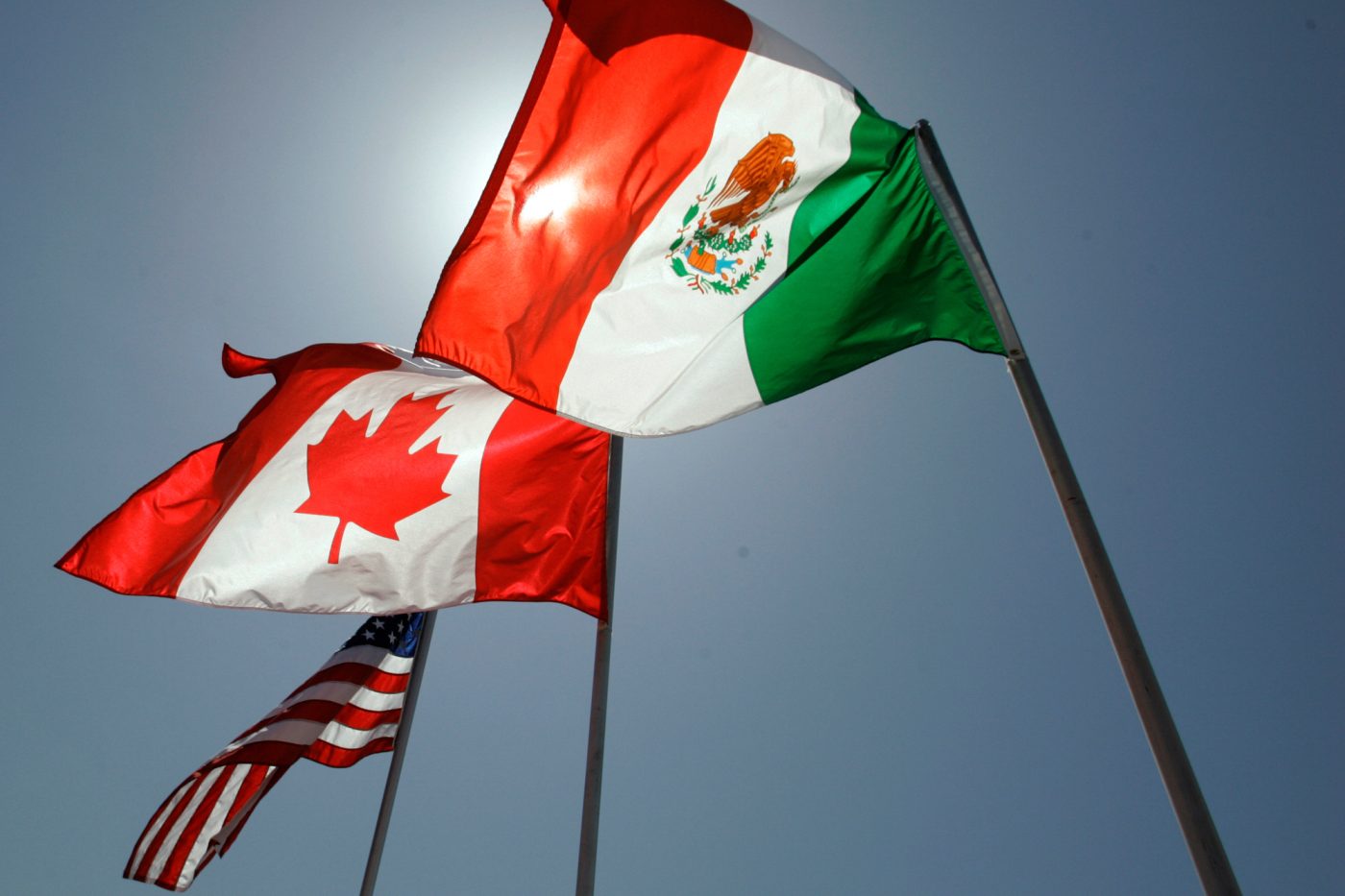
The Trump administration on Wednesday declined to renew the United States–Mexico–Canada Agreement (USMCA) in its current form, letting the Wednesday deadline pass without a formal extension and signaling a push for tougher terms.
U.S. Trade Representative Jamieson Greer confirmed the decision in a statement, noting that while the pact will not be renewed as written, it will remain “in force pending resolution of these issues or until the Agreement’s termination.” That leaves the trilateral trade framework in a state of legal limbo, with negotiations now set to resume.
Greer said the United States will meet with Mexico during the week of July 20 for a third round of talks. “The United States will continue to engage with Mexico and Canada to address the Agreement’s shortcomings and our trade deficits with these countries,” he said.
The move underscores President Trump’s willingness to upend his own signature trade deal from his first term, even as the agreement is widely seen as a modernization of the older NAFTA framework. Critics argue that letting the pact lapse without a clear replacement creates uncertainty for North American supply chains, particularly in automotive, agriculture, and energy sectors.
The decision also comes as the administration faces mounting trade frictions on multiple fronts. Trump has recently intensified scrutiny of trade imbalances with both neighbors, and the USMCA’s non-renewal could escalate tensions with Ottawa and Mexico City. The administration has been pressing for stricter rules of origin and stronger enforcement mechanisms, especially around Chinese transshipment through Mexico.
The announcement arrives amid a broader pattern of trade disruption under Trump. The president has also pursued aggressive tariff policies and renegotiated other trade pacts, while his SAVE Act push divides GOP over fiscal policy and risks midterm unity. Meanwhile, the administration’s OpenAI delay request deepens AI policy confusion, adding to the sense of unpredictability in Washington.
Business groups expressed concern over the lack of a clear path forward. The U.S. Chamber of Commerce warned that prolonged uncertainty could hurt investment and cross-border trade, which supports millions of American jobs. Canada and Mexico are the United States’ top two trading partners, with trilateral trade exceeding $1.5 trillion annually.
Mexican officials have signaled willingness to renegotiate but insist on maintaining core market access. Canadian representatives have been more cautious, noting that Ottawa views the USMCA as a balanced deal that should not be reopened lightly.
The Trump administration’s decision to let the deadline lapse without renewal is the latest sign of its transactional approach to trade policy. As the July talks approach, all eyes will be on whether the U.S. can extract concessions from its neighbors—or whether the agreement’s termination clause could eventually be triggered.