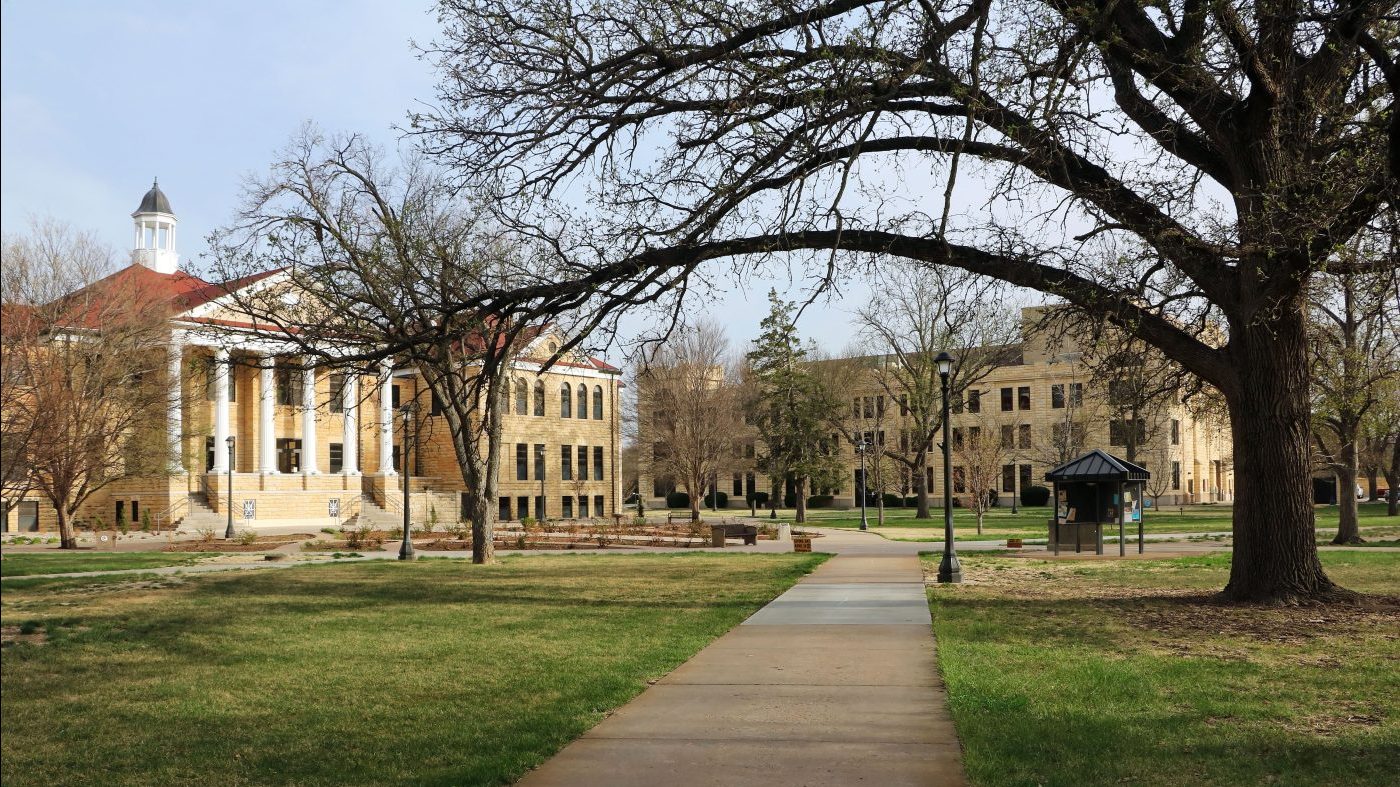
The Department of Justice has filed a lawsuit against Kansas, asking a federal judge to strike down a 2024 state law that allows undocumented students to qualify for in-state tuition at public colleges and universities. The legal challenge, joined by Kansas Attorney General Kris Kobach (R), argues the policy violates federal law and discriminates against U.S. citizens.
The law in question permits students without legal immigration status to pay in-state tuition rates if they attended a Kansas high school for at least three of the previous four years, graduated from an accredited school or earned an equivalent credential, and were accepted to a state college or university. The DOJ contends this creates an unfair advantage for noncitizens over American students from other states, who must pay higher out-of-state tuition.
In court filings, Assistant Attorney General Brett Shumate described the law as “unconstitutional and un-American,” adding that it “should never have been passed in the first place.” The DOJ also argues the measure incentivizes illegal immigration, a claim that resonates with conservative critics who see it as a magnet for undocumented families.
Kobach, a longtime advocate for stricter immigration enforcement, has joined the DOJ in requesting an order blocking the law’s enforcement. His involvement underscores the political stakes in Kansas, where the issue is likely to feature in upcoming gubernatorial races. The Club for Growth offshoot has already launched a $2 million ad blitz targeting Kansas GOP gubernatorial candidate Vicki Schmidt, signaling that immigration policy is a flashpoint in the state.
The DOJ’s legal strategy builds on prior successes. “The Department of Justice has won on this exact issue in Texas, Oklahoma, Kentucky and Nebraska, and we will take this fight to any states that fail to put American citizens first,” Shumate said. Those rulings have set a precedent that similar laws violate the Immigration and Nationality Act, which restricts states from offering benefits to undocumented immigrants that are not available to all U.S. citizens.
Supporters of the Kansas law argue it promotes educational access and economic integration, noting that many undocumented students have lived in the state for years and contribute to local communities. Opponents, however, see it as a policy that undermines the rule of law and rewards illegal entry. The case also touches on broader debates about federal versus state authority over immigration, a theme that has divided Washington and statehouses alike.
The lawsuit comes amid a flurry of legal battles over immigration-related policies. In a separate but related development, the Postal Service has moved to block mail ballots in states refusing voter data, highlighting ongoing tensions over election integrity and citizenship verification. Meanwhile, a federal judge struck down SNAP junk food bans in 23 states, another case where states and the federal government clash over policy implementation.
As the legal challenge unfolds, Kansas colleges and universities face uncertainty over tuition policies for the upcoming academic year. The state’s public institutions have already enrolled undocumented students under the 2024 law, and a court-ordered block could disrupt their financial aid plans. The case is likely to be closely watched by other states considering similar measures, as the DOJ signals its willingness to enforce federal immigration law aggressively.