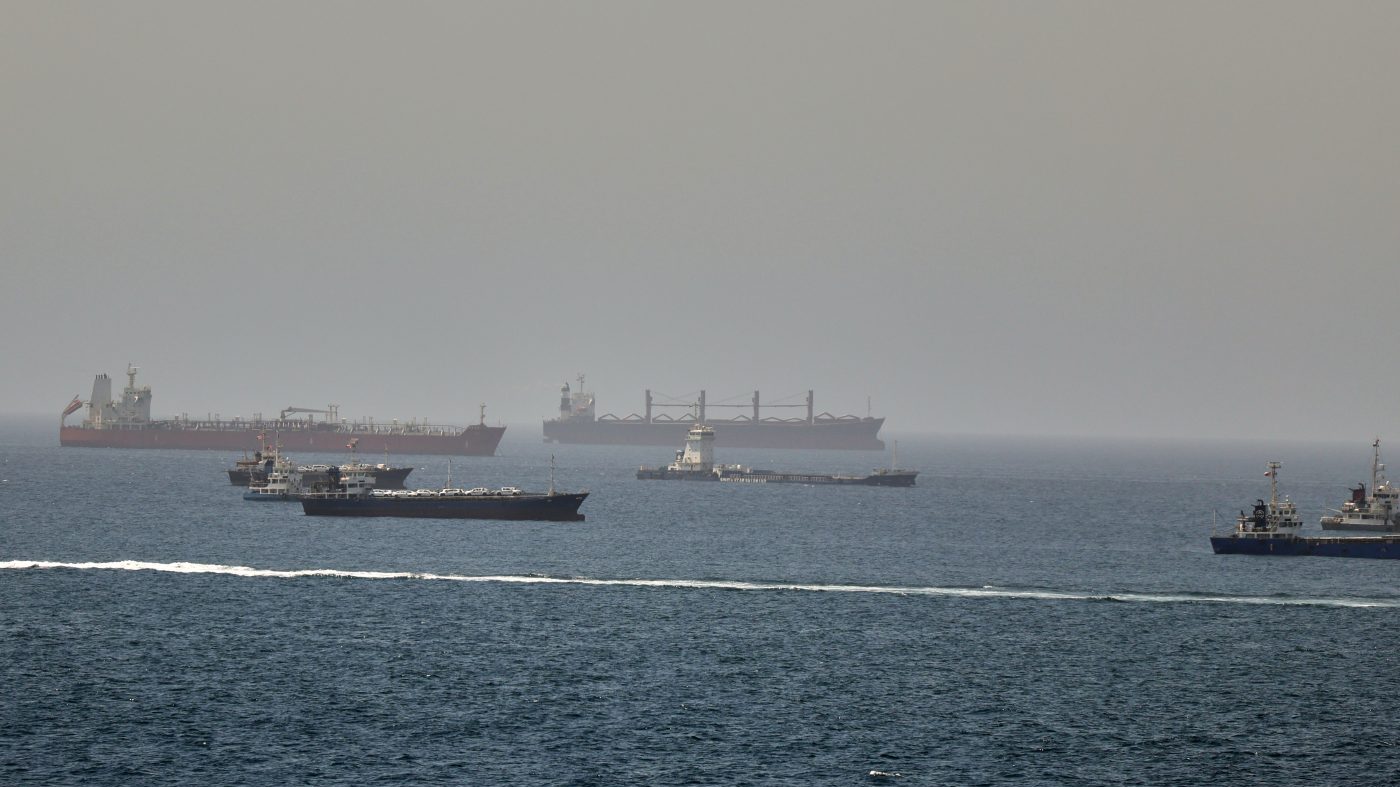
The Strait of Hormuz saw a sharp increase in tanker traffic on Thursday, with crossings rising 105 percent from the previous day as a United Nations evacuation plan for seafarers began operation. Data from Kpler, a market analytics firm, showed 70 confirmed transits, including 53 commercial vessels, which the firm described as low-risk ships dominating the day's profile.
The spike comes after the International Maritime Organization (IMO) launched an operation earlier this week to evacuate more than 11,000 seafarers from the critical waterway, through which roughly 20 percent of the world's oil flows. The IMO's plan offers two routes: a northern passage near Iran's coastline and a southern route along the waters of Oman and the United Arab Emirates. Ships are contacted by either the United Kingdom Maritime Trade Operations Centre or the Maritime Information Cooperation and Awareness Center, then choose a route after conducting their own risk assessment.

According to U.N. News, the IMO aims to restore traffic to prewar levels of approximately 130 transits per day. Since the U.S.-Israeli war with Iran began, 14 seafarers have been killed in the strait, the IMO reported. IMO Secretary-General Arsenio Dominguez stated that the evacuation plan will be carried out "in close cooperation" with Iran, Oman, other coastal states, the United States, and the maritime industry.
However, Iran's Persian Gulf Strait Authority issued guidance requiring vessels to obtain a valid permit from the agency to transit. On Thursday, the Islamic Revolutionary Guard Corps (IRGC) navy declared that Iranian-designated channels are the only "safe routes" through the waterway, according to the Islamic Republic News Agency. Kpler noted that a memorandum of understanding between the U.S. and Iran, along with the lifting of the U.S. naval blockade of Iranian ports, contributed to a "short-term confidence boost" in transit numbers. But the firm warned that the IRGC's warning against using the Omani route "could create a new source of contention."
The increased traffic has not yet restored prewar levels, but oil prices have remained stable. Brent Crude was below $74 per barrel on Thursday morning, roughly in line with its prewar value, while West Texas Intermediate Crude traded under $71 per barrel. The decline in oil prices has been felt at the pump in the United States, where the national average for a gallon of regular gas fell below $3.92 on Thursday, according to the American Automobile Association (AAA). A month ago, gas prices were above $4.50.
Petroleum expert Patrick De Haan noted Wednesday that U.S. gas prices are falling 5 percent faster than they did in 2022, when fuel costs surged after Russia's invasion of Ukraine. The broader context includes ongoing diplomatic efforts and tensions: Trump has defended Iran sanctions relief as humanitarian while warning the Strait of Hormuz blockade could resume, and Vance has declared a breakthrough in Iran talks, securing IAEA access. Meanwhile, analysis suggests Iran's Strait of Hormuz minefield forced Trump to capitulate.
As traffic gradually recovers, the region remains volatile. The IRGC's warning could escalate tensions, and the IMO's evacuation plan will be closely watched by global energy markets and maritime stakeholders.