President Trump's decision to bar CNN, MSNOW, and Politico from White House access drew sharp rebukes Friday from some of the most prominent voices at Fox News, a network often aligned with his administration.
In a Truth Social post, Trump announced the outlets would be excluded "effective immediately," citing their "constant 'reporting' FAKE NEWS!" and hinting that additional media organizations could face similar restrictions. The move, which follows his recent threats against major news outlets, has reignited debates over press freedom and executive power.
Ari Fleischer, a former White House press secretary and current Fox News contributor, acknowledged the president's frustrations but cautioned against the approach. "I agree with POTUS that several media outlets covering the WH are biased and unfair," Fleischer wrote on social media. "Banning them from the WH is not the solution. Open the pool and the briefing room to conservatives. Challenge liberal reporters. Argue and defeat them. Don't ban them. Or one day they'll ban us."
Brit Hume, Fox News' chief political analyst, echoed that sentiment, saying he "100%" agreed with a post from George Washington University law professor Jonathan Turley. Turley called the ban "terrible precedent and practice" that "would raise serious constitutional questions and undermine the country's long-standing position as a voice for the free press." Hume added that if Trump "thinks this will lead to more favorable coverage, I think he's dreaming."
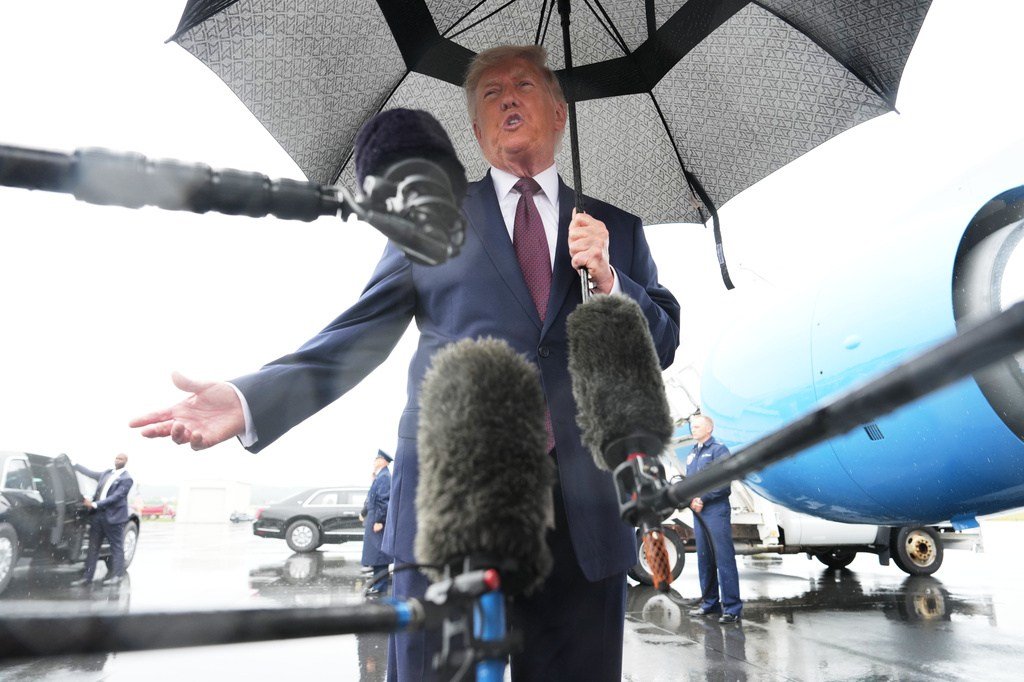
The president, when asked about the ban in the Oval Office, defended it by saying, "because they're fake news. You get so tired of reading and seeing fake news." He added, "But our country has to have honest news."
This is not Trump's first clash with the press. He previously sued CNN for defamation over its 2020 election coverage, and last year he took legal action against the Wall Street Journal for reporting on his alleged connections to the late Jeffrey Epstein. The latest move, however, marks a more direct intervention in the mechanics of White House press access.
Critics, including press freedom advocates, argue that excluding specific outlets from the White House briefing room and press pool violates the First Amendment principles that have long guided presidential coverage. Supporters of the ban counter that the president has broad discretion in managing access, especially for outlets they see as persistently hostile.
The decision also comes as the administration faces scrutiny over other policy moves, including the initial threat to bar these outlets and ongoing disputes over border policy clashes. Meanwhile, the White House has signaled it may expand the ban to other organizations, raising concerns about a slippery slope.
Fox News' internal criticism highlights the broader tension within conservative media over how to handle adversarial reporting. While some commentators have urged open confrontation, others worry that such bans could backfire, legitimizing restrictions that might one day target conservative outlets under a different administration.
As the situation develops, the practical impact on daily White House coverage remains unclear. The banned outlets have vowed to continue their reporting, and legal challenges are possible. For now, the episode underscores the fragile relationship between the presidency and the press, a dynamic that shows no signs of easing.