ESPN analyst Kirk Herbstreit pushed back Friday against criticism of the network's decision to host Sen. Ted Cruz (R-Texas) on College GameDay last week, explaining the appearance was tied to the Senate's upcoming vote on sweeping college sports legislation.
“We had him on because they were going to be voting this week,” Herbstreit told reporters, referring to the Protect College Sports Act (PCSA), a bipartisan bill that would impose federal rules on the transfer portal, revenue sharing, and name, image, and likeness (NIL) compensation for student-athletes.
“Maybe he could give us some insight into what's going on,” Herbstreit said of Cruz, who co-sponsored the legislation with Sen. Maria Cantwell (D-Wash.). “That was really it. We're not picking any sides in any way at all. We just want to see the chaos that's kind of surrounding this sport kind of be reeled in and if this helps us get to that then great.”
The senator's appearance on the high-rated pregame show drew sharp rebukes from opponents of the bill, including some Democrats and civil rights groups. Days later, ESPN hosted NAACP President Derrick Johnson on SportsCenter to discuss the organization's opposition to the measure.
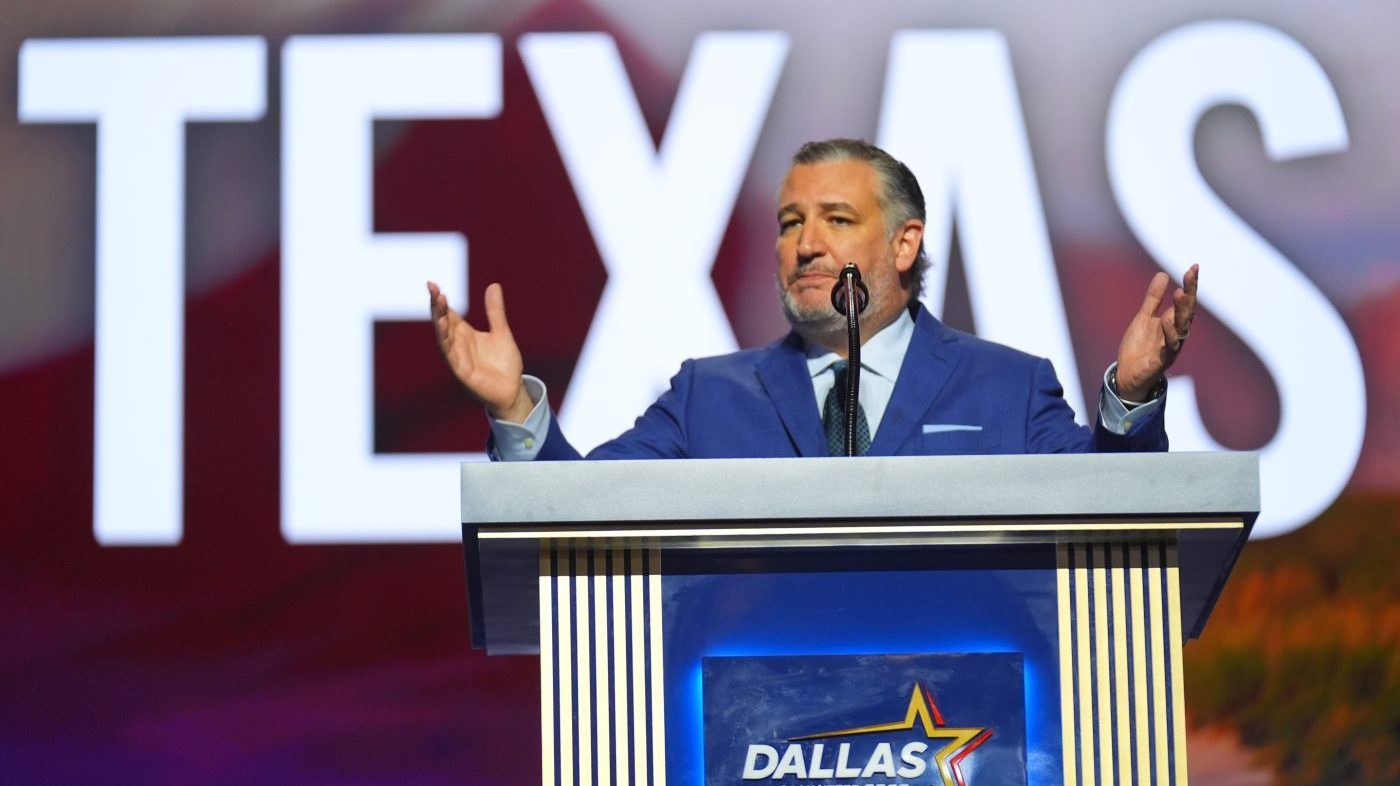
During his roughly ten-minute segment with anchor Rece Davis, Cruz argued the PCSA is necessary to “fix” the current state of college athletics, calling the situation “nuts” and noting “the reason Congress is acting is because Congress created this problem.” The Texas Republican was met with boos from the live audience in Austin during the taping.
Herbstreit defended the decision by pointing to Alabama coach Nick Saban, who was part of the discussions that shaped the bill. “The guy that sits right next to me, Nick Saban, was part of putting this together. This guy loves college football more than anybody I've met,” Herbstreit said. “And so if he's happy about what this would do, then I'll follow his lead.”
The Senate's advancement of the sweeping reform bill came despite opposition from a number of Democrats and GOP holdouts, with more than 70 senators backing it in two procedural votes last week. A final vote is expected next week.
With the House out of session until after the midterms, the earliest the PCSA could reach President Trump's desk is November. The legislation has become a flashpoint in the broader debate over the future of college sports, with supporters arguing it brings stability and critics warning it could undermine athlete rights.
Herbstreit's comments highlight the intersection of sports and politics, a dynamic that has intensified as Congress weighs intervention in an industry worth billions. The network's handling of the segment—balancing Cruz's appearance with Johnson's rebuttal—reflects the delicate line media outlets walk when covering politically charged legislation with direct implications for their own programming.
The bill's path forward remains uncertain, but its momentum in the Senate suggests that federal oversight of college athletics is closer than ever. For now, the debate continues to play out both in the Capitol and on the sets of sports television shows.