Republicans have largely gone silent on abortion, but new data suggests that strategy is failing. A study by Reproductive Freedom for All shows that voters increasingly connect reproductive freedom to the financial pressures shaping their daily lives—a link the GOP seems unwilling to address.
The Economic Reality of Family Planning
Planning a family is one of the most consequential financial decisions a person makes. According to the research, 82% of voters say it has become harder to afford raising children compared to five or ten years ago, with more than half calling it "much harder." Nearly three in four say their personal finances play a major role in deciding whether to have a child. The costs they cite are basic: housing, childcare, healthcare, and education. Many are delaying starting families until they complete school, build careers, and achieve some financial stability.
Reproductive Freedom as an Economic Lifeline
Voters understand that the decision to have a child is deliberate. Reproductive freedom—including access to contraception, family planning, and paid leave—is what allows people to build that foundation. For too long, candidates have been told to choose between talking about the economy or abortion. But voters aren't picking lanes.
In recent focus groups with women in battleground states, participants spontaneously brought up abortion when discussing the economy, the cost of living, and life as a woman in America. They talked about medical emergencies, fear of losing care, and feeling unsupported as mothers—all alongside rising grocery prices, healthcare costs, and juggling multiple jobs. Navigator Research similarly found that women in these states base family planning decisions on financial stability, with access to reproductive healthcare being key to staying in control of their timeline.
Trump Administration's Anti-Family Record
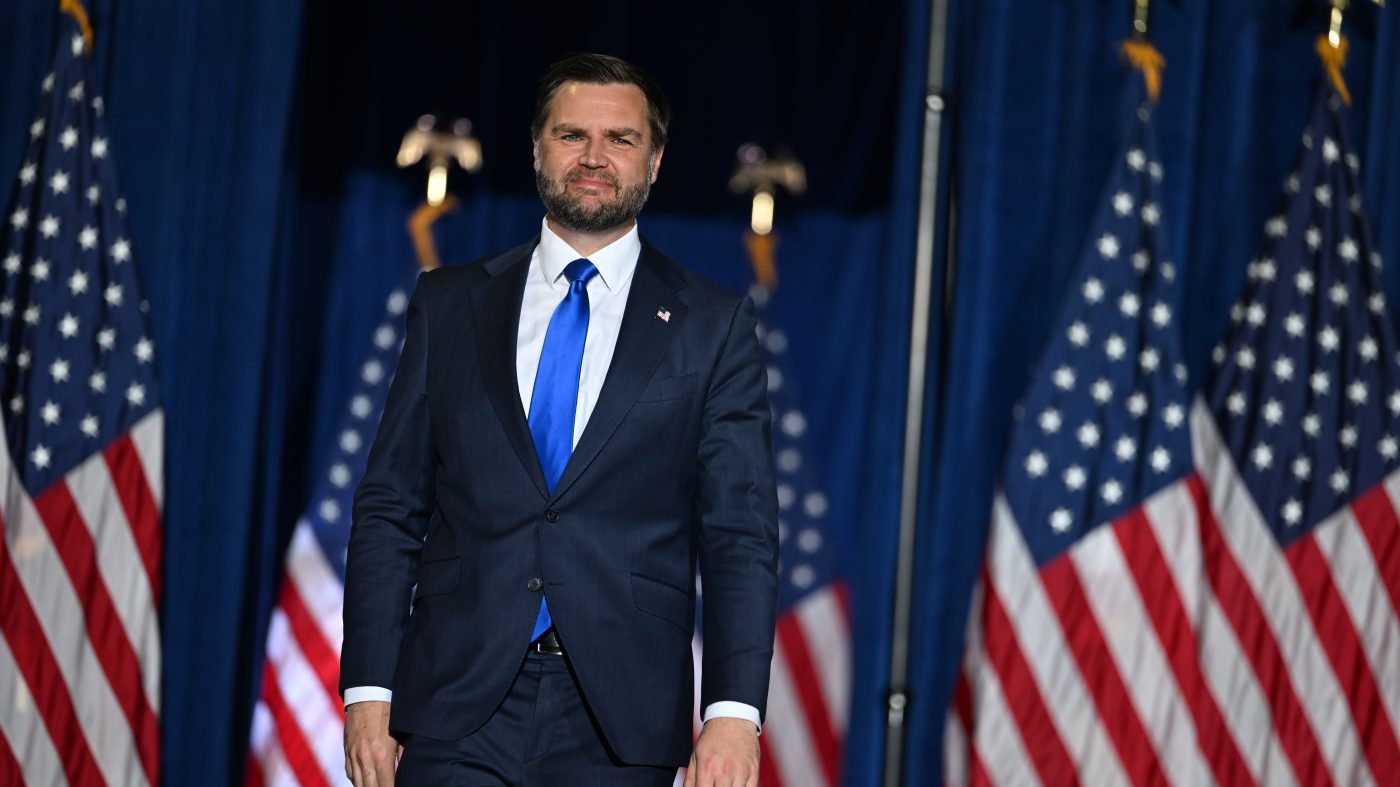
Meanwhile, President Trump, Vice President JD Vance, and their allies have worked to worsen the economic hardships families face. An administration calling for more babies while gutting healthcare, childcare, and economic support is not pro-family. Just weeks ago, Trump suggested the U.S. should stop funding daycare and redirect that money toward war with Iran. States with abortion bans and extreme restrictions cost the national economy over $64 billion annually, according to one analysis—funds that could ease pregnancy, childbirth, and postpartum care costs under truly pro-family policies.
Enhanced Affordable Care Act tax credits expired in January, leading to an average 114% premium increase for 22 million Americans relying on marketplace coverage. Nearly 5 million are projected to lose coverage this year. Medicaid, which covers 40% of all U.S. births, is also on the chopping block. Some Republicans have even hinted at further healthcare cuts.
GOP's Abortion Dilemma
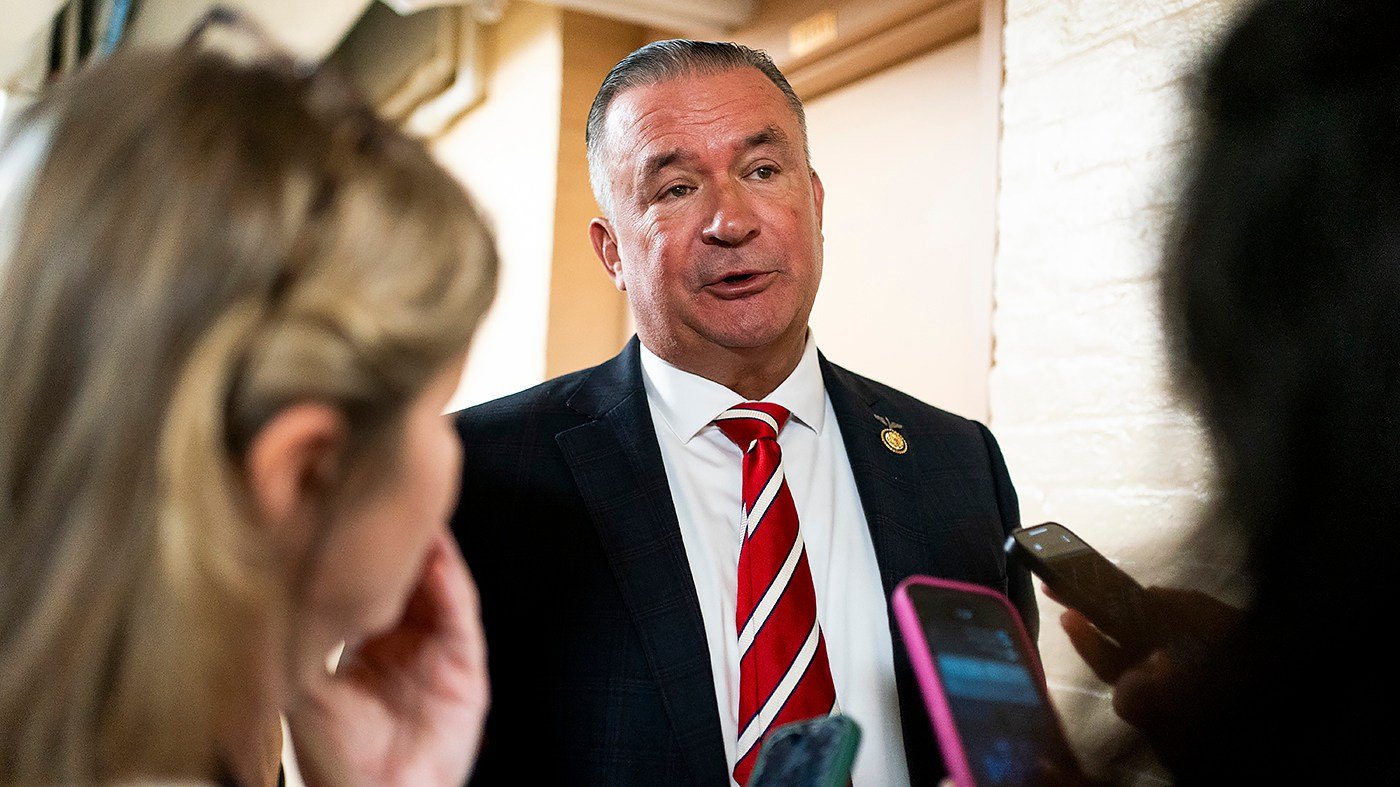
Last month, Senator Josh Hawley introduced a bill to revoke FDA approval of mifepristone, the most widely used abortion medication. Vulnerable House Republicans quickly distanced themselves, with one simply saying "No" when asked if the party should focus on abortion before November. They know they're losing on this issue, that being anti-abortion is often disqualifying for voters, and that they can't separate abortion from the affordability crisis stoked by their own administration.
When abortion is on the ballot, reproductive rights advocates win. Voters grasp the stakes and how reproductive freedom ties into the economy. They need a strong economic foundation to take on the most important responsibility: making decisions about their families. Eight in ten Americans support legal abortion. The question for 2026 candidates is whether they'll meet voters where they are—or continue ignoring an issue central to their lives.
As a Fox News poll shows Democrats leading on economic trust for the first time since 2010, the GOP's silence on reproductive freedom may prove costly. The midterm battle is heating up, and Democrats are seizing the economic edge.
Mini Timmaraju is president and CEO of Reproductive Freedom for All, which mobilizes over 4 million members for reproductive freedom. Molly Murphy is president of Impact Research, providing insights at the forefront of political and corporate action.