House Democrats are preparing to wield the power of the purse as a primary check on President Trump's executive authority if they retake the majority in November. The appropriations process, which funds every federal agency and program, would become a key battleground for oversight and policy fights.
Representative Rosa DeLauro of Connecticut, the top Democrat on the House Appropriations Committee, is poised to take the gavel if her party wins control. That would put Democrats in a position to shape annual spending bills and attach conditions to how the administration uses taxpayer dollars.
Hearings and oversight across agencies
Ranking members of the appropriations subcommittees are already outlining their priorities. Representative Chellie Pingree of Maine, who leads Democrats on the Interior and Environment subcommittee, plans to hold public hearings on the diversion of National Park Service funds toward Washington projects and on staffing cuts at the Environmental Protection Agency. She argued those cuts undermine the agency's ability to enforce environmental laws and regulate toxic chemicals.
Pingree also said her panel would scrutinize the Kennedy Center, where the president took over the board and made major changes, including an attempt to put his name on the building. She cited a “total lack of transparency about funding and the use of congressionally allocated funds.”
Defense spending and Iran accountability
On defense, Representative Betty McCollum of Minnesota, the top Democrat on the Defense Appropriations Subcommittee, called for restoring “parity between nondefense and defense spending.” She argued that ballooning defense budgets have come at the expense of education, infrastructure, and other priorities that ultimately support the military.
McCollum also pledged to hold the administration accountable for the war with Iran, demanding a full accounting of costs and damage. She noted that requests for classified information on munitions were often slow or denied, and she criticized the lack of death benefits for soldiers killed in the conflict.
Justice, homeland security, and immigration
Representative Grace Meng of New York, ranking member of the Commerce, Justice, Science subcommittee, said she would examine cuts to the Justice Department's Public Integrity Section and Civil Rights Division. She also criticized the reassignment of intelligence analysts from national security to reviewing voting records, calling it a misuse of resources.
Representative Henry Cuellar of Texas, who leads Democrats on the Homeland Security subcommittee, pushed for stronger oversight and guardrails on Immigration and Customs Enforcement, including improved training, body cameras, and de-escalation measures. He also argued that funding from recent reconciliation legislation, such as the One Big Beautiful Bill Act, should be subject to congressional oversight.
A looming clash with the White House
These plans set up a potential collision course with the White House and Senate Republicans, especially if Democrats win a narrow House majority. Any spending bills would still need to clear the Senate filibuster and the president's signature, limiting unilateral Democratic action.
Still, the appropriations process gives Democrats leverage to force negotiations. As Cuellar put it, “I think the Appropriations Committee is going to play a very, very important role in making sure that the role of the executive branch follows the traditional role of the executive branch.”
The strategy comes as Trump has repeatedly challenged Congress's constitutional power of the purse, and as the national debt tops $40 trillion, with interest costs now outpacing defense and health spending. Democrats argue that oversight is essential to ensure tax dollars are spent as intended.
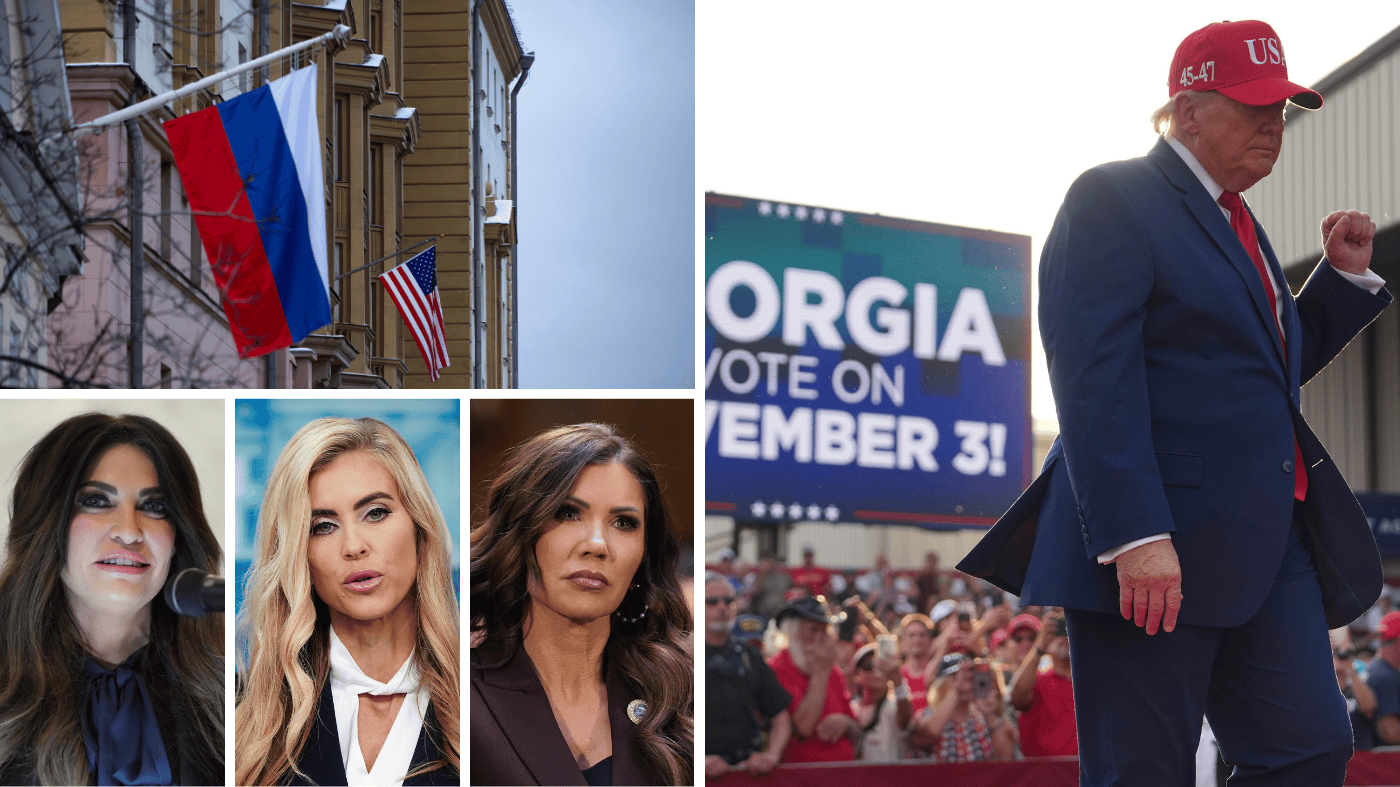
Recent clashes over foreign policy, including Trump's Russia sanctions waiver that drew bipartisan anger, and GOP resistance to Pentagon funding over the Russia stance, underscore the high stakes of the appropriations fight. Democrats see their oversight agenda as both a check on executive overreach and a political message heading into the midterms.