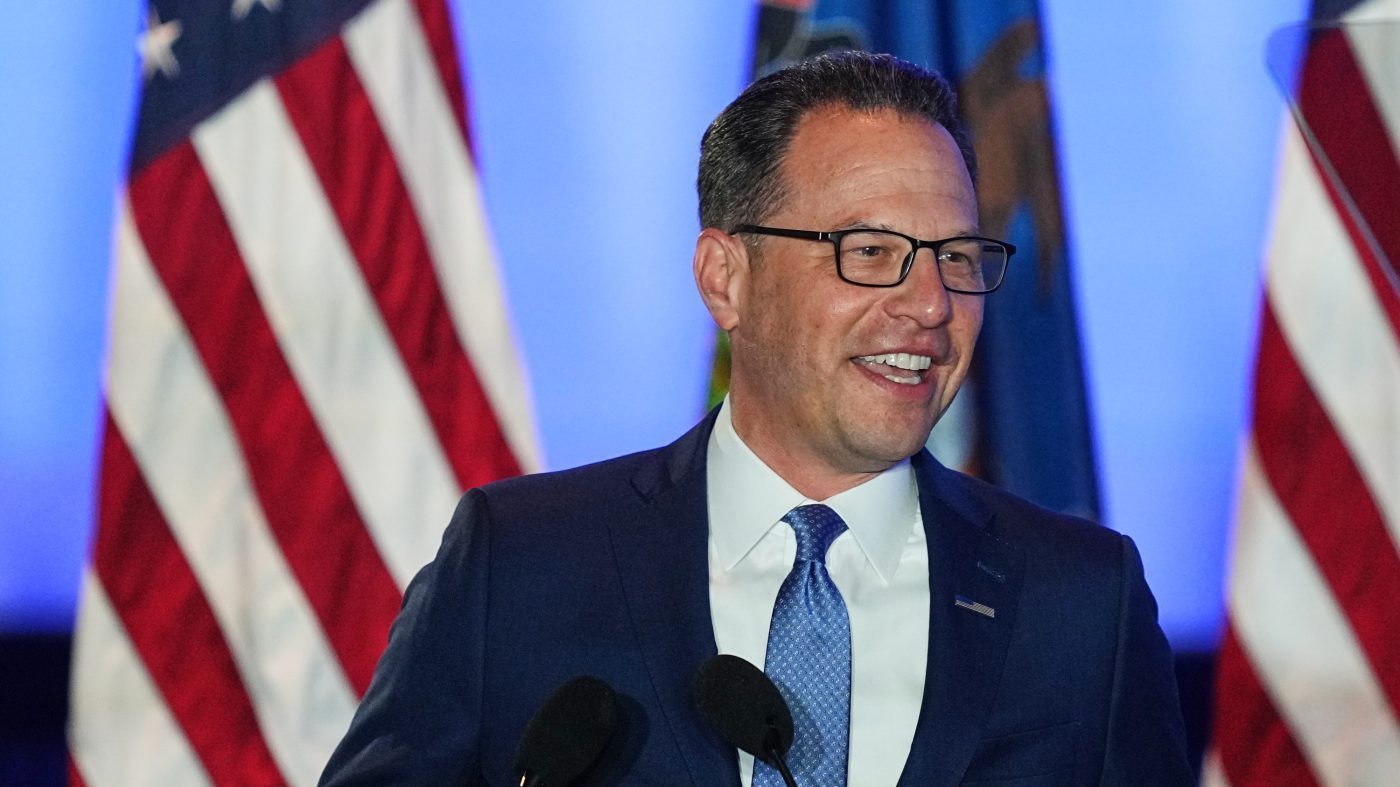
Pennsylvania Governor Josh Shapiro is stepping up his national political profile with the launch of a new political action committee, a move that will likely intensify speculation about a potential White House bid in 2028.
The committee, named New Path PAC, bills itself as a vehicle to elect candidates who will stand up to President Trump. Its website declares that the PAC will help Shapiro build a movement to "rise up, demand more, and elect candidates who will put a check on Donald Trump and JD Vance's chaos, cruelty, and corruption."
Shapiro, a Democrat, has long been mentioned as a possible contender for the presidency. His strong approval ratings in Pennsylvania—a Quinnipiac University poll earlier this month put his job approval at 62 percent—have boosted his standing among party insiders. But before any national ambitions can be realized, Shapiro must first win re-election in November, and recent polls suggest he holds a comfortable lead over his Republican challenger, State Treasurer Stacy Garrity.
The same Quinnipiac survey showed Shapiro leading Garrity by 26 points among likely voters, 60 percent to 34 percent. Decision Desk HQ, a nonpartisan election forecaster, gives Shapiro a 95 percent chance of winning re-election. Still, the governor is already facing questions about his future plans. During an October 7 debate with Garrity, moderators pressed Shapiro on whether he would commit to serving a full four-year term if re-elected. Shapiro sidestepped the question, instead turning the spotlight on Garrity's own commitment to her current office.
"The treasurer made a commitment she would serve her full term as treasurer," Shapiro said. "She's obviously broken that, and I'm going to do everything in my power to ensure she's able to serve all four years."
Shapiro has consistently declined to directly address whether he intends to run for president, but he has hinted at broader ambitions. In April, he told Reverend Al Sharpton at a convention that he would "be a part of" conversations about the party's future direction. The launch of New Path PAC is widely seen as another step in that direction, allowing Shapiro to build a national donor network and support candidates aligned with his vision.
The PAC's formation comes as Democrats are already looking ahead to the 2028 race, with several potential contenders emerging. Shapiro's appeal in a key battleground state, combined with his moderate profile and ability to win over swing voters, makes him a formidable figure in any primary contest.
Political observers note that the PAC could serve dual purposes: helping Shapiro maintain influence within the party while also laying the groundwork for a possible campaign. "This is a classic move for a governor with national aspirations," said a Democratic strategist familiar with such efforts. "It allows him to build relationships, raise money, and test messages without formally committing to a run."
In the meantime, Shapiro's re-election campaign remains his immediate focus. His comfortable lead in the polls has not stopped him from actively campaigning, and he has continued to emphasize issues like education funding and abortion rights. The New Path PAC, meanwhile, signals that Shapiro is thinking beyond Harrisburg.
As the 2028 cycle heats up, Shapiro's next moves will be closely watched. Whether he ultimately decides to enter the presidential race or not, his new PAC ensures he will remain a central figure in Democratic politics for years to come.