Two years after a senior U.S. official first pleaded with Congress to examine evidence of pulsed microwave attacks, the House Intelligence Committee has produced a report that could finally expose the truth—but it is being withheld, leaving victims and their families in limbo.
Mark Lenzi, a former State Department official who has suffered traumatic brain injuries from these attacks, told The World Signal that the committee's failure to release its findings is a betrayal of those who testified and faced retaliation for doing so. Lenzi, along with hundreds of other U.S. government personnel, has been affected by what are widely believed to be directed-energy attacks, often referred to as Havana Syndrome.
The committee, chaired by Rep. Rick Crawford (R-Ark.), promised accountability after hearing testimony from dozens of injured officials and others with knowledge of the U.S. Intelligence Community's alleged cover-up. But the report, which Lenzi says is 'bombshell' material, has not been made public. Committee leadership blames the CIA for slow-walking declassification, but Lenzi and other victims see this as a stalling tactic to protect senior agency officials implicated in the wrongdoing.
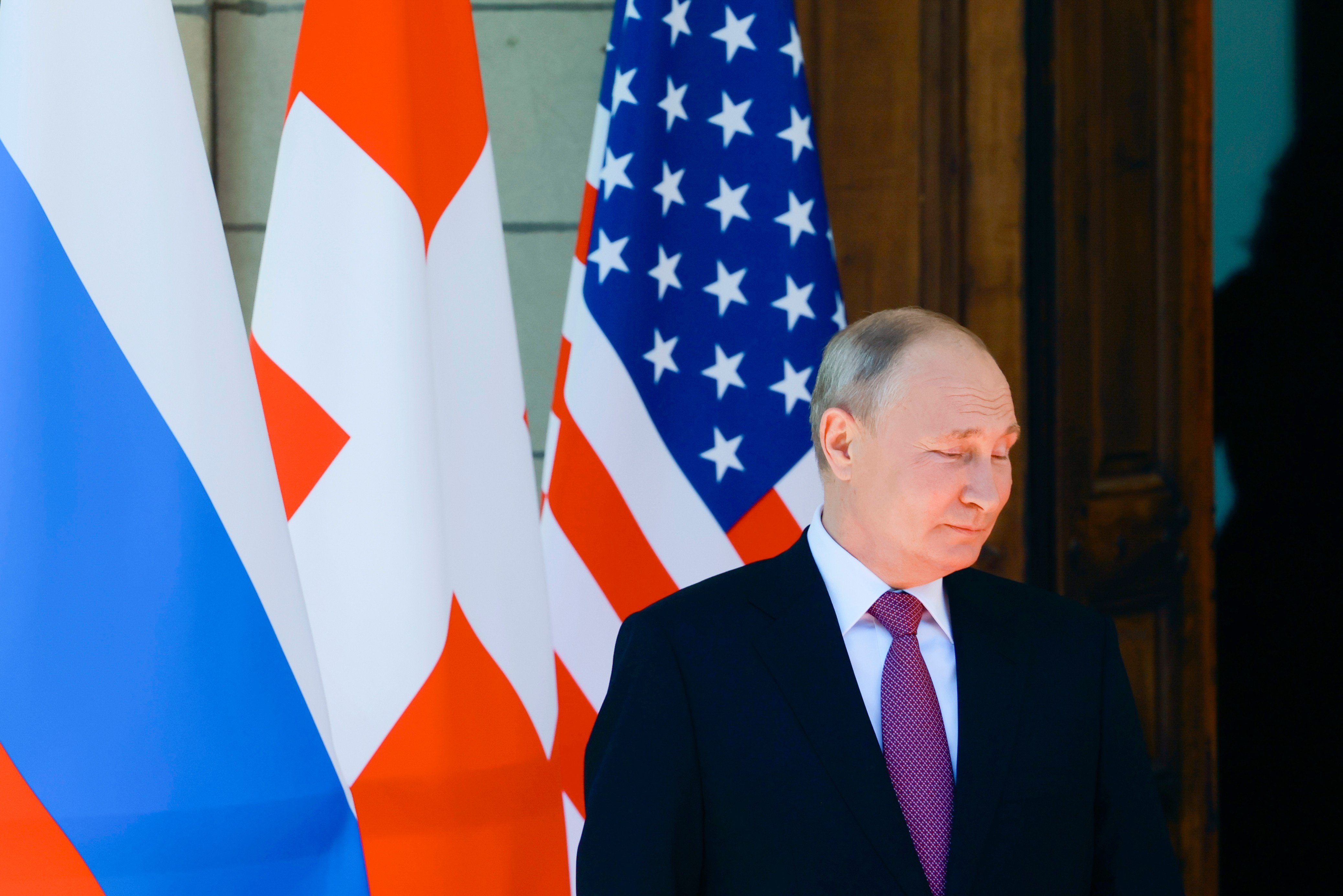
Lenzi's frustration is compounded by the committee's apparent deference to the White House. He suggests the administration may be suppressing the report because it likely links Russia to the attacks, a finding that would complicate the current diplomatic posture toward Moscow. 'I want the truth to be revealed,' Lenzi said, echoing the sentiments of many victims who believe the evidence of Russian involvement is being hidden.
The situation has broader implications for congressional oversight. By sitting on its own report, the committee is setting a troubling precedent that could discourage future whistleblowers and undermine the integrity of investigations. As Lenzi notes, 'The fact that members would sit on this information sets a troubling precedent that should concern every U.S. citizen.'
Lenzi's personal ordeal began while serving abroad, and he is currently receiving treatment at Walter Reed National Military Medical Center. He and his family have faced not only the physical toll of brain injuries but also retaliation from the State Department after he spoke out. His children, who were also injured, have suffered from delayed medical care that exacerbated their conditions.
The committee's inaction stands in stark contrast to its initial promises. Lenzi recalled that he testified with the expectation that officials would be held accountable for willful negligence and denied medical care. Instead, he says, the committee has joined the ranks of those who have sought to bury the issue.
Meanwhile, the broader political landscape is fraught with tensions over Russia's actions, as seen in recent criticism of U.S. sanctions waivers and the administration's handling of political attacks. The reluctance to confront Moscow on Havana Syndrome could be seen as part of a pattern of appeasement, a charge that Lenzi does not shy away from.
For now, the report remains under wraps, and the victims wait. Lenzi is calling on the committee to release its findings without further delay, arguing that continued secrecy only emboldens adversaries and erodes public trust. 'Until he is publicly held accountable by Congress, Putin will continue to be treated like a friend of this White House,' he warned.
The World Signal will continue to monitor this story as it develops, including the fate of the committee's report and the response from the White House and CIA.