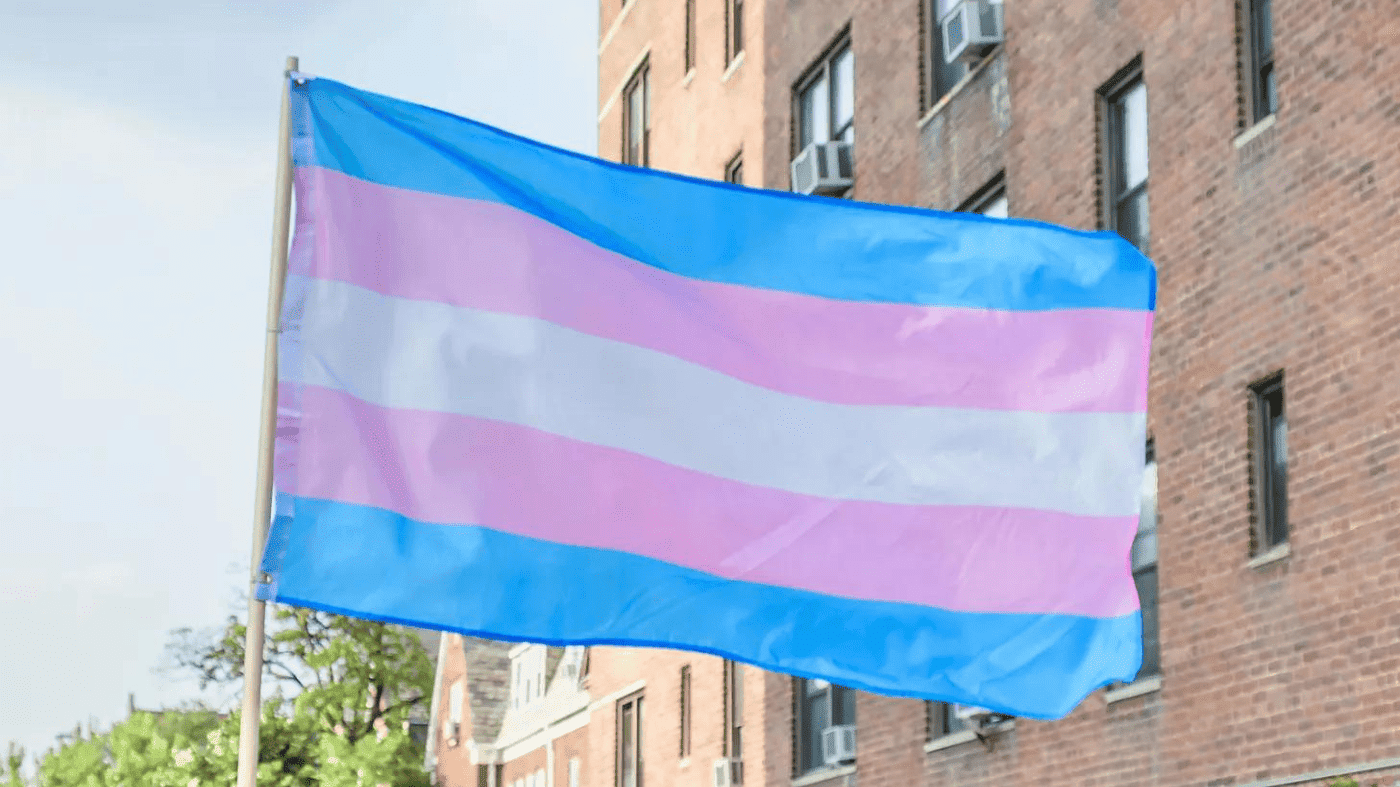
Six transgender Idaho residents filed a federal lawsuit Thursday challenging a new state law that bars them from using restrooms designated for the opposite biological sex in public buildings and private businesses. The suit, filed in Boise, asks a judge to strike down the measure, which carries criminal penalties including up to a year in jail for a first offense and up to five years for a subsequent violation.
Represented by the American Civil Liberties Union, its Idaho affiliate, Lambda Legal, and the law firms Munger, Tolles & Olson and Alturas Law Group, the plaintiffs include Diego Fable, Amelia Milette, Emilie Jackson-Edney, and three individuals identified as Daniel Doe, Peter Poe, and Zoey Wagner. They argue the law violates their constitutional rights and forces them into impossible choices.
Law's Broad Reach
Republican Governor Brad Little signed H.B. 752 into law earlier this month, after it passed the GOP-controlled legislature. The statute applies to public buildings and any private business open to the public—including shopping malls, hospitals, libraries, rest stops, airports, and gas stations. It makes it a misdemeanor to knowingly use a restroom designated for the opposite sex, escalating to a felony on a second offense.
The law is set to take effect July 1, making Idaho the only state with such a broad restriction covering private businesses.
Plaintiffs Speak Out
Diego Fable, who transitioned six years ago, told The New York Times the law creates an impossible dilemma. “Do I comply and use the women’s restroom and risk drama? Do I drive all the way home and then come back?” he said. In an ACLU statement, Fable noted he has “been enjoying life as a man and using the men’s restrooms hasn’t been a big deal,” but the law would force him into women’s facilities, inviting suspicion.
“This law would force me to use the women’s facilities, and doing so would only invite suspicion, questions, and raised eyebrows,” Fable said. He added that compliance would be “extremely isolating,” requiring him to leave his home and friends behind.
The lawsuit contends that the plaintiffs, “like any non-transgender Idahoans … need to use restrooms while they are in public, and they wish to continue doing so without being subject to life-changing criminal penalties or physical and psychological harm for simply using the restroom.”
Law Enforcement Opposition
The ACLU noted that the Idaho Fraternal Order of Police and the Idaho Chiefs of Police Association opposed the bill, arguing there is no “clear or reasonable way” to determine a person’s sex from birth during a field contact without resorting to “invasive and inappropriate” searches and questioning. This echoes broader concerns about enforcement challenges that have surfaced in other states grappling with similar legislation.
The lawsuit comes amid a backdrop of contentious policy battles across the country. For instance, a recent Supreme Court ruling has reignited redistricting fights in Southern states, while state attorneys general are taking the lead on tech regulation as Congress remains gridlocked.
Sponsor's Defense
State Representative Cornel Rasor, the bill's sponsor, told lawmakers in March the measure is meant to protect women and girls. “It prevents discomfort and voyeurism escalation and assaults, while preserving single-user options and narrow exceptions so no one is denied access for emergency aid,” he said, as reported by The 19th.
Critics, however, see the law as a direct attack on transgender rights, forcing individuals into dangerous situations. The case is likely to test the limits of state authority over restroom access, a flashpoint in the broader culture war over transgender identity.