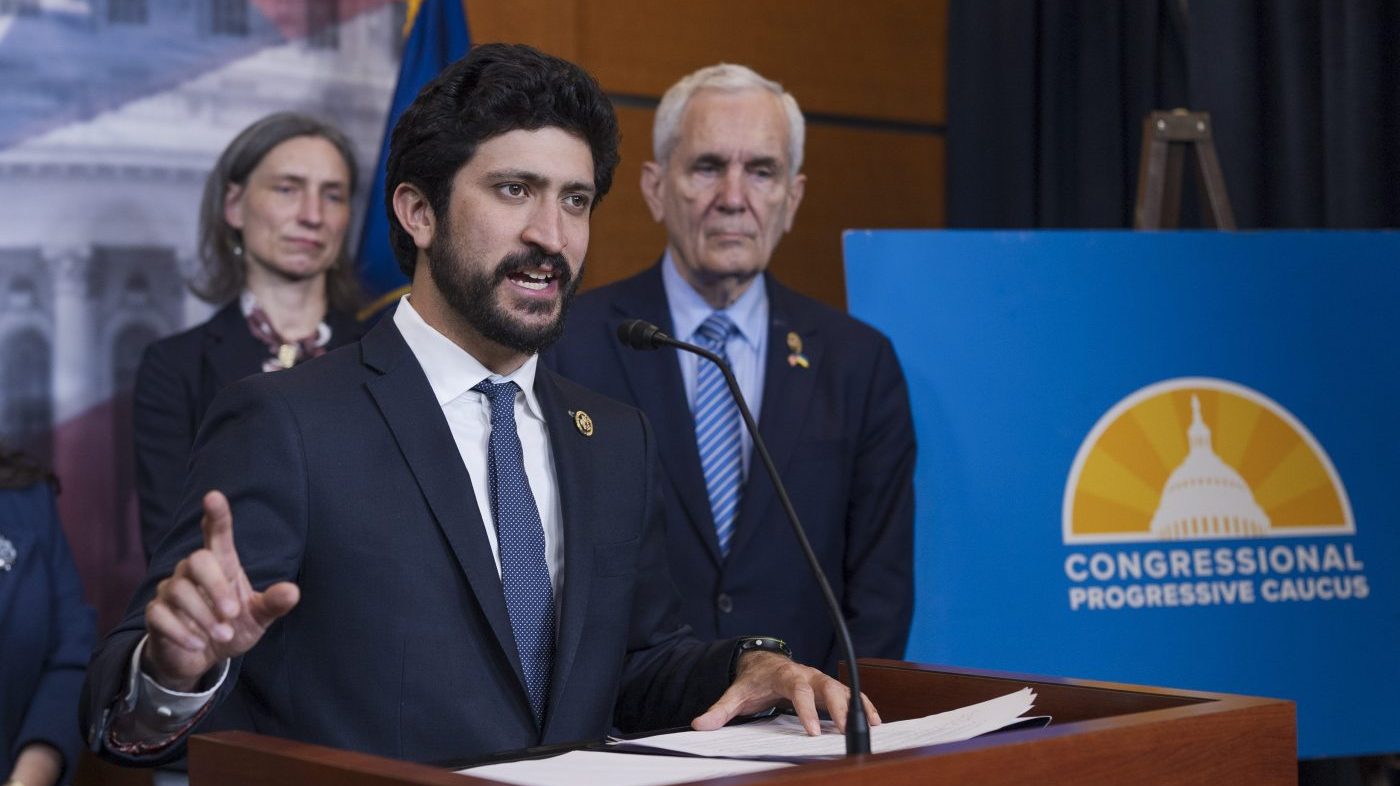
The Congressional Progressive Caucus unveiled its midterm election blueprint Wednesday, positioning the package as a Democratic answer to the cost-of-living crisis that has squeezed millions of households. Dubbed the “New Affordability Agenda,” the legislative bundle targets kitchen-table expenses and takes aim at corporate pricing practices.
The caucus, led by Chair Rep. Greg Casar (D-Texas), framed the agenda as a direct response to the party’s 2024 electoral setbacks. “After the 2024 election loss, Democrats from across the ideological spectrum were saying that we lost the trust of working people,” Casar told The American Prospect. “This is our chance to regain that.” The package, co-authored by Reps. Seth Magaziner (D-R.I.) and Josh Riley (D-N.Y.)—neither of whom is a caucus member—seeks to reforge that bond.
Key proposals include a government-run generic drug program to offer discounted medications, a crackdown on for-profit utility companies to save families an estimated $500 annually, and a windfall profits tax on oil companies benefiting from the ongoing war in Iran. The plan also caps child care costs at 7 percent of household income, provides $20,000 in down-payment assistance for first-time homebuyers, and mandates two weeks of paid vacation for all workers, with double-time pay for overtime.
The agenda also wades into campaign finance and technology regulation. It would ban companies from using personal data and artificial intelligence to set prices, abolish Super PACs, and increase overtime pay. These measures, the caucus said, confront “corporate price gouging and special interests that have pushed costs higher and taken advantage of the American people,” according to Deputy Chair Rep. Ilhan Omar (D-Minn.).
The push comes amid broader Democratic soul-searching over how to counter GOP narratives on the economy and national security. The caucus’s emphasis on affordability mirrors a strategy to reclaim working-class voters who drifted toward Republicans in recent cycles. Casar described the agenda as “the tip of the spear” and noted he has consulted with House Minority Leader Hakeem Jeffries (D-N.Y.) and rank-and-file members to build consensus.
The package also wades into the housing crisis, with a plan to boost construction and offer down-payment aid. On energy, the caucus aims to lower gas prices by taxing oil companies’ excess profits from the Iran conflict—a move that could spark debate over energy policy and foreign entanglement. The agenda’s timing is critical, as the midterms approach amid high inflation and a volatile geopolitical landscape.
Progressives are betting that this blend of populist economics and regulatory crackdowns can revitalize the party’s brand. “This agenda puts forward a clear strategy to make everyday life more affordable and deliver meaningful results,” Omar said. The caucus’s willingness to include non-members like Magaziner and Riley signals an effort to broaden the coalition behind the plan.
The agenda arrives as other political dynamics reshape the midterm landscape. For instance, recent GOP celebrations over a Supreme Court voting rights ruling and redistricting battles in Virginia and Florida are already setting the stage for a contentious election cycle. The progressive caucus’s affordability push offers a clear counter-narrative to Republican messaging on the economy.
Whether the agenda gains traction in a divided Congress remains uncertain, but for now, it represents a unified progressive effort to reframe the Democratic message around tangible economic relief. As Casar put it, the caucus is determined to prove that the party can still deliver for the working class.