Israel executed its most significant military operation against Hezbollah in Lebanon since the regional conflict erupted in late February, launching coordinated strikes on over 100 targets across Beirut, Beqaa, and southern Lebanon within a ten-minute period on Wednesday. The Israeli military stated these targets included command centers and military infrastructure, many situated within civilian population centers.
The bombardment plunged Beirut into what one aid worker described as "total chaos." Dr. Tania Baban, Lebanon country director for the aid organization MedGlobal, told NBC News the attacks were indiscriminate. "I can't believe what is happening. These are not targeted attacks," she said, adding her ears were still ringing from a nearby explosion. "It's insane. This is an open war crime with a clear violation of any international law possible — and no one is stopping this."
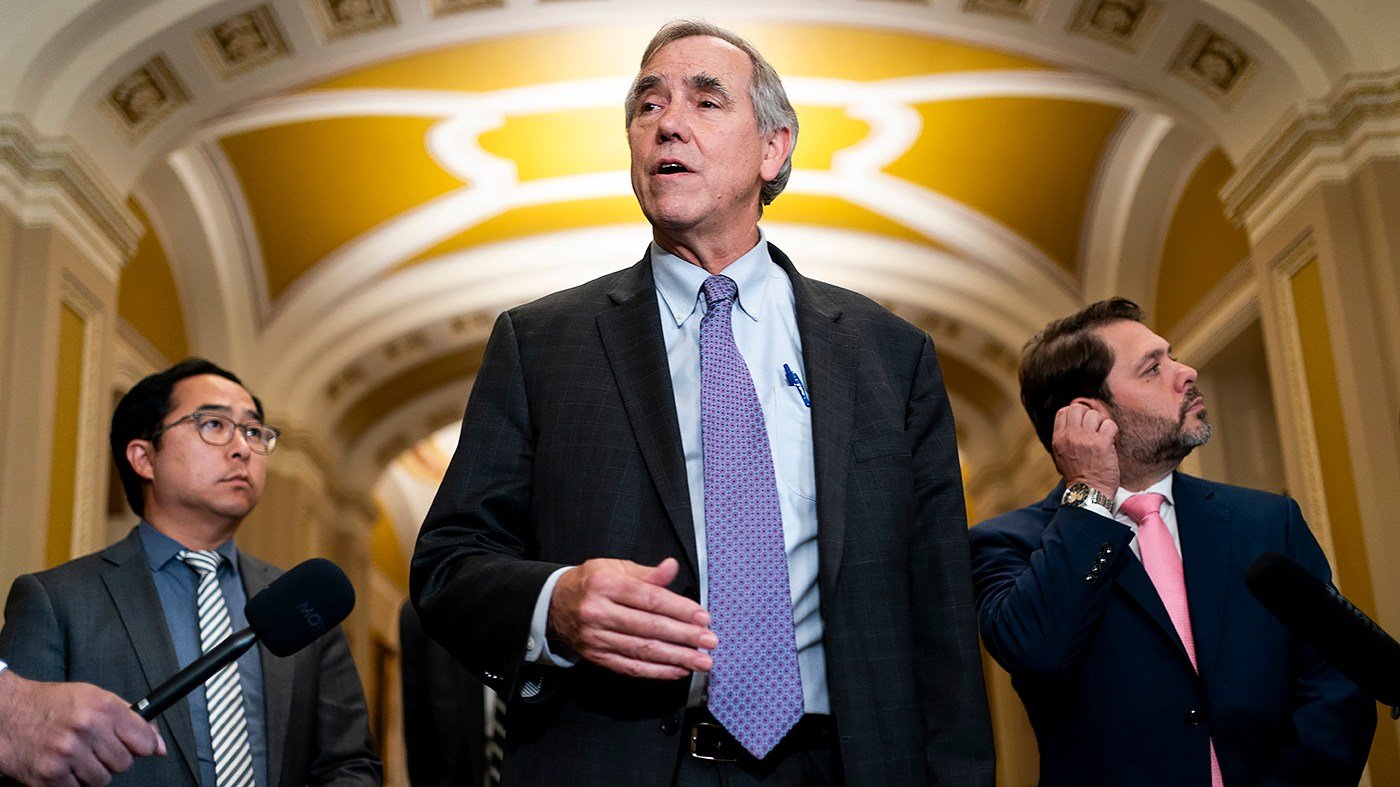
Lebanon's health ministry reported dozens killed and hundreds wounded in the strikes, which brought the total death toll in Lebanon since early March to more than 1,500. Hospitals were overwhelmed with casualties, prompting urgent calls for blood donations and for civilians to clear streets for ambulances. While evacuation warnings preceded strikes in some southern areas, no such warning was issued for central Beirut.
Ceasefire Confusion and Contradictory Claims
The massive strikes occurred just hours after President Trump announced a fragile, two-week ceasefire aimed at de-escalating regional hostilities. However, the Netanyahu government immediately asserted that Lebanon was explicitly excluded from this agreement. Israeli officials stated their support for the U.S. decision to suspend strikes against Iran was conditional on Tehran immediately opening the Strait of Hormuz and halting regional attacks. Military officials indicated the campaign against Hezbollah would continue unless Israel's political leadership directed otherwise.
This position directly contradicted statements from Pakistani Prime Minister Shehbaz Sharif, who helped mediate the ceasefire agreement and indicated it covered Lebanon. "Violations of ceasefire have been reported at few places across the conflict zone which undermine the spirit of peace process," Sharif wrote on social media. "I earnestly and sincerely urge all parties to exercise restraint and respect the ceasefire for two weeks, as agreed upon, so that diplomacy can take a lead role."
Human Shields and Regional Escalation
Israeli officials, including Prime Minister Benjamin Netanyahu, have repeatedly accused Hezbollah of using civilians as human shields—the same accusation leveled against Israel regarding its operations in Gaza. The strikes represent a significant escalation in the conflict that began when Hezbollah fired rockets at Israel in support of Tehran, drawing Lebanon deeper into the regional confrontation.
Sources close to Hezbollah told ITV News that the group would not comply with the ceasefire's central condition of opening the Strait of Hormuz if Israeli attacks continued. This stance threatens to unravel the U.S.-brokered pause almost immediately, highlighting the agreement's fragility.
The situation leaves Lebanon in a perilous position, caught between Hezbollah's militant activities and Israel's declared military objectives. With the Netanyahu government asserting its right to continue operations and Hezbollah vowing retaliation for the Beirut strikes, the brief window for diplomacy appears to be closing rapidly, risking a broader regional war that the ceasefire was designed to prevent.