A federal judge in Boston has once again halted the Trump administration's latest attempt to impose new restrictions on mail-in voting, granting a temporary reprieve that runs through the start of ballot distribution for the upcoming midterm elections.
In a ruling late Thursday, U.S. District Judge Indira Talwani concluded that a coalition of Democratic-led states and voting rights organizations are likely to succeed in their legal challenge to a U.S. Postal Service regulation that imposes strict design and processing requirements on mail ballots. The judge found that the agency likely overstepped its statutory authority and that the rule raises serious constitutional concerns.
The temporary restraining order blocks enforcement of the rule for 14 days, a window that extends beyond the period when several states are scheduled to begin sending absentee and overseas ballots. Judge Talwani, an Obama appointee, wrote that the plaintiffs face "irreparable harm" because compliance with the rule is "practically impossible" given that the midterms are now just over two months away.
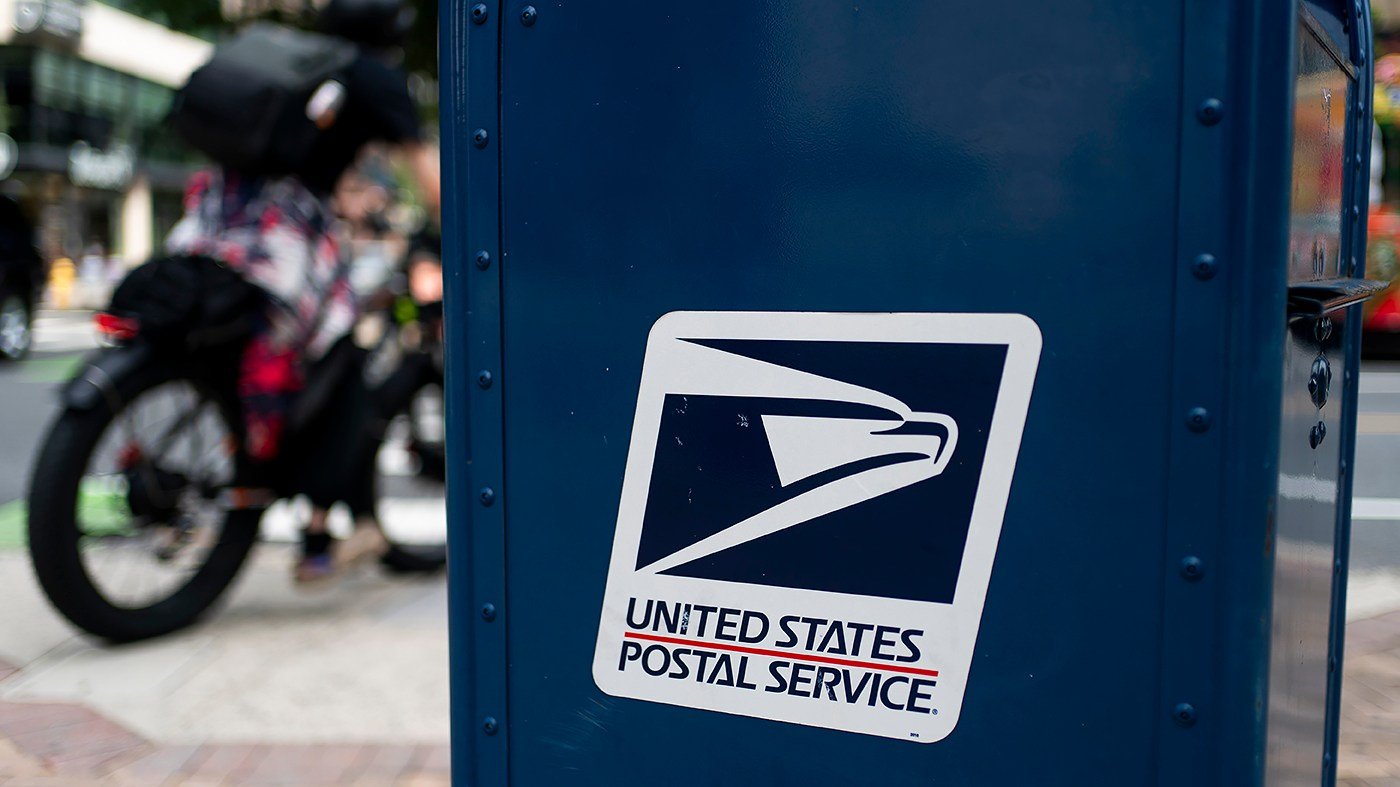
The Postal Service published the final rule in the Federal Register on Wednesday. It mandates that mail ballots include a unique logo and a barcode with an embedded ZIP code, and it requires state and local election officials to submit voter lists to the agency before ballots are mailed. The regulation implements key provisions of an executive order President Trump signed in March, part of a broader push to exert more federal control over election administration. Trump has repeatedly claimed, without evidence, that mail-in voting is vulnerable to fraud.
The legal battle has been turbulent. On Monday, the Supreme Court, with the three liberal justices dissenting, ruled that an earlier challenge to the executive order was premature and lifted a prior injunction. That decision prompted Judge Talwani to lift her remaining nationwide injunction on Wednesday, despite finding that the administration had violated her order.
Within days, the Democratic-led states, along with the League of Women Voters of Massachusetts and other groups, filed fresh lawsuits targeting the Postal Service rule itself, arguing that it infringes on states' constitutional authority to run their own elections and risks disenfranchising eligible voters. Judge Talwani agreed, citing an "overwhelming risk" to Americans who rely on mail ballots to cast their votes.
The ruling is the latest twist in an ongoing legal saga over election administration, following a similar judicial decision that briefly allowed the restrictions to proceed. It also comes as other courts have weighed in on related voting and redistricting disputes, including a Maryland judge's decision to block a redistricting ballot measure.
Legal experts say the case could eventually return to the Supreme Court, which has shown a willingness to allow the administration's election policies to take effect in the interim. But for now, state election officials are breathing a sigh of relief, even as they brace for further litigation. "This is a critical safeguard for voters," said one election law scholar. "The rule would have created chaos during the busiest mailing period of the year."
The administration is expected to appeal the temporary restraining order, and the case will continue in the lower courts. With the midterms looming, the fight over mail-in voting is far from over.