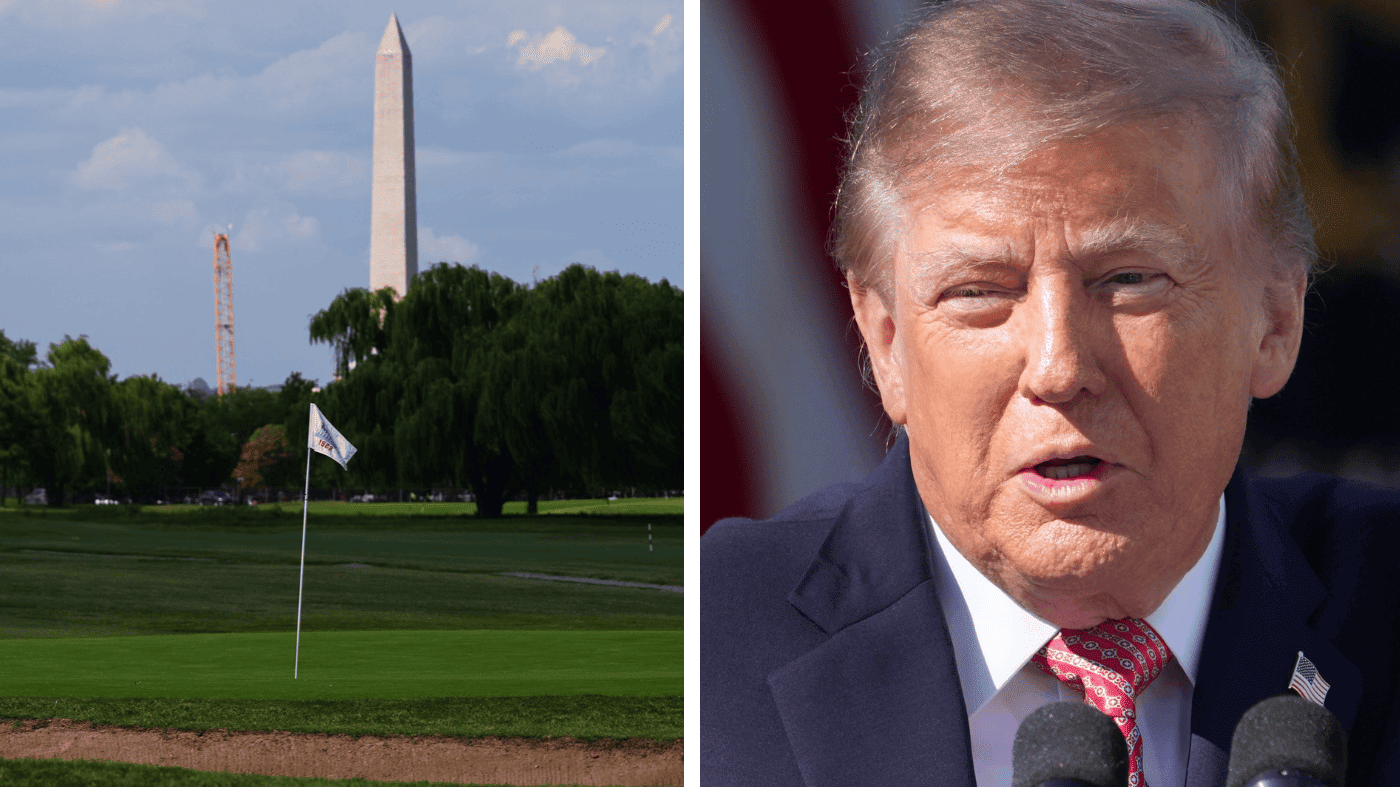
A federal judge has scheduled a fresh hearing in the legal battle over President Trump's proposed redevelopment of East Potomac Park, following the president's public defiance of her earlier ruling. The move escalates a confrontation between the White House and the judiciary over the future of the public golf course.
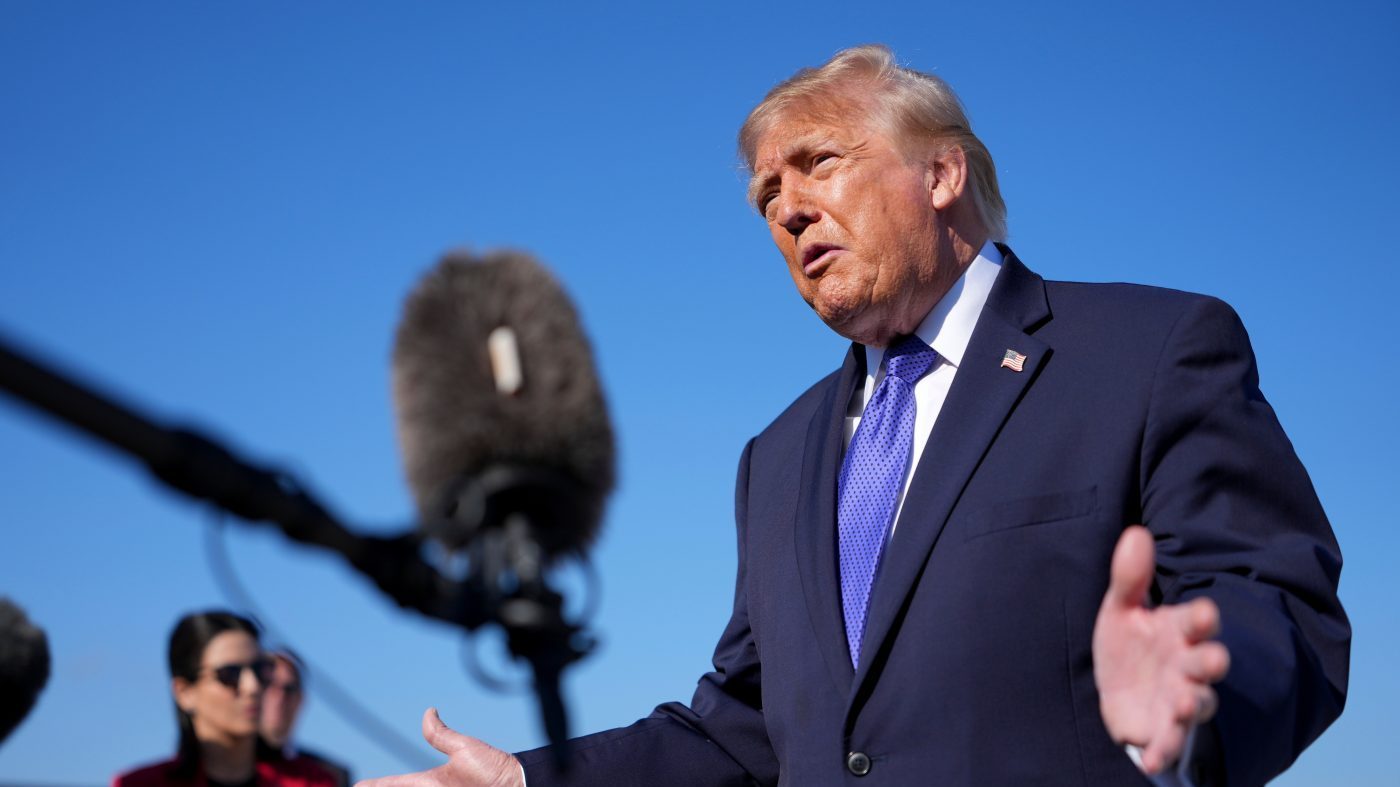
U.S. District Judge Ana Reyes issued an order Wednesday for a new hearing, set for either Friday or Monday, after Trump took to social media to insist the project would move forward. In a post on Nov. 15, the president wrote that "we are closing the East Potomac Golf Course Site as scheduled," and attacked Reyes directly, claiming she "does not have the Constitutional Right to 'ask for or receive notices,' which are time-consuming, unnecessary, expensive, and unconstitutional."
The original injunction, granted at the request of a preservationist group and local D.C. golfers, halted the project pending further review. Reyes's latest order notes that Trump's public statements contradict assurances given by Department of Justice lawyers, who testified they were unaware of any imminent tree removal plans before the project's start.
This is not the first time Reyes has clashed with government attorneys. She has previously berated them for what she described as intentionally misleading the court about the project's scope and timeline. The new hearing will allow both sides to address the apparent discrepancy between the president's statements and the administration's legal representations.
Trump has repeatedly ridiculed Reyes for her opposition, arguing that the existing East Potomac Golf Links is "dangerous" and in desperate need of renovation. He has enlisted renowned golf architect Tom Fazio to design an 18-hole, championship-length course on the site, a plan that has drawn sharp criticism from local residents and golf enthusiasts who value the current course for its affordability and accessibility to players of all skill levels.
Critics of the redevelopment argue that Trump is attempting to impose his personal vision on the region against the will of D.C. residents. The dispute has become a flashpoint in the broader debate over presidential authority and public land use. As the legal proceedings continue, the case highlights the tensions between executive ambitions and judicial oversight, a theme that resonates in other recent policy debates.
The upcoming hearing is expected to focus on whether the president's social media posts constitute a violation of the court's order and what steps, if any, should be taken to ensure compliance. Legal experts say the judge's decision to reconvene so quickly signals she is taking the threat of noncompliance seriously.
For now, the fate of the East Potomac golf course remains uncertain, with the new hearing set to provide a clearer picture of how the court will handle the president's open defiance. The case has also drawn attention to the broader political dynamics, as Trump continues to push his agenda while facing legal hurdles—a pattern seen in other recent political clashes.
As the story develops, observers are watching whether the administration will comply with the court's directives or escalate the confrontation further. The hearing's outcome could set a precedent for how courts handle presidential interference in ongoing litigation.