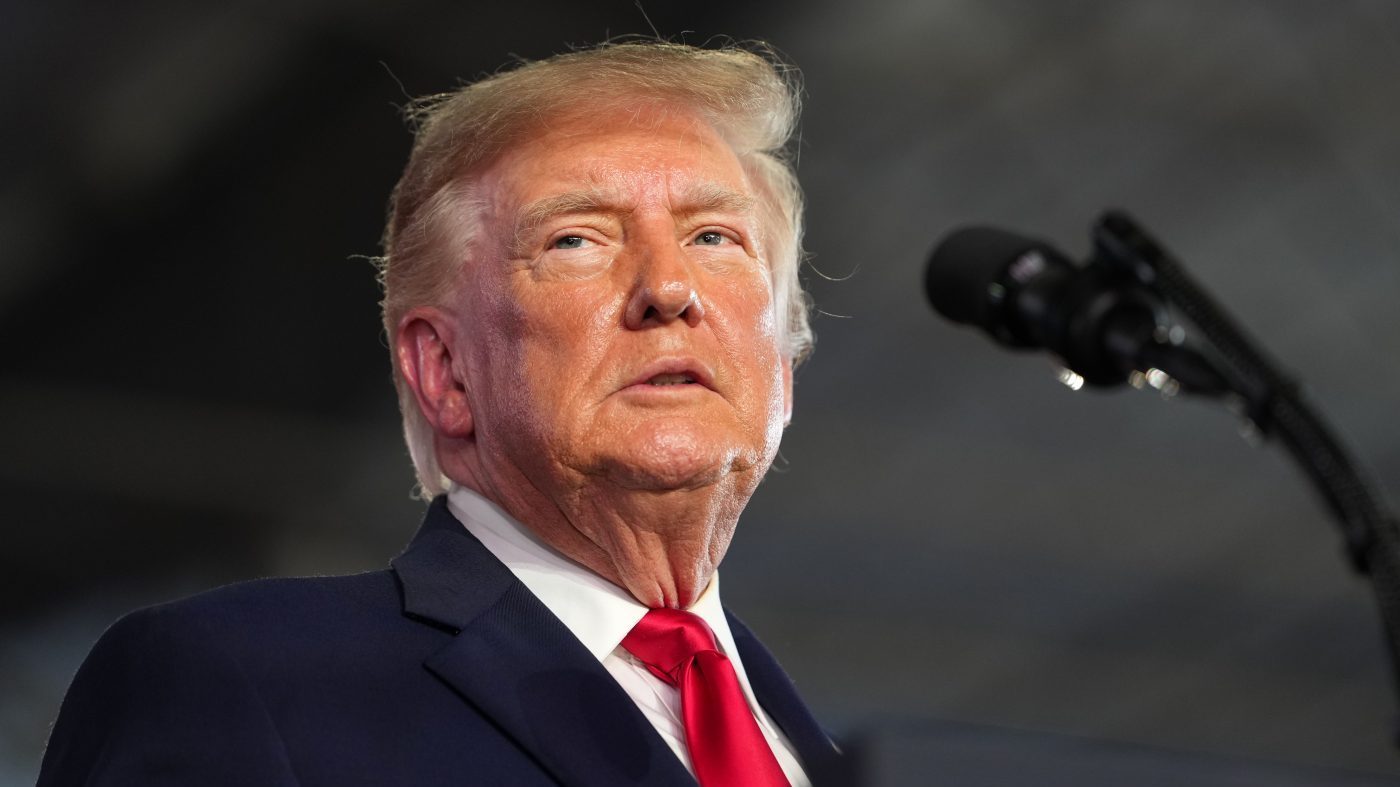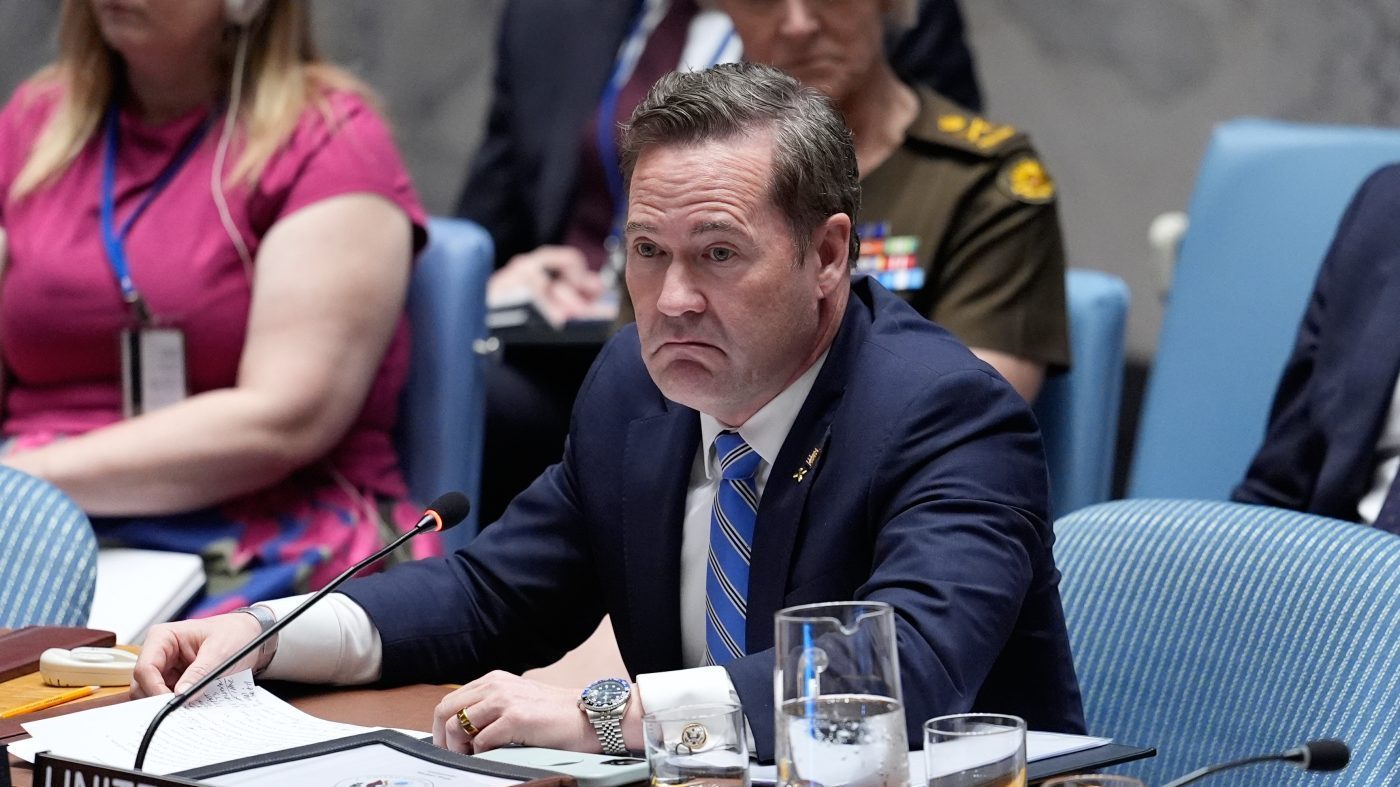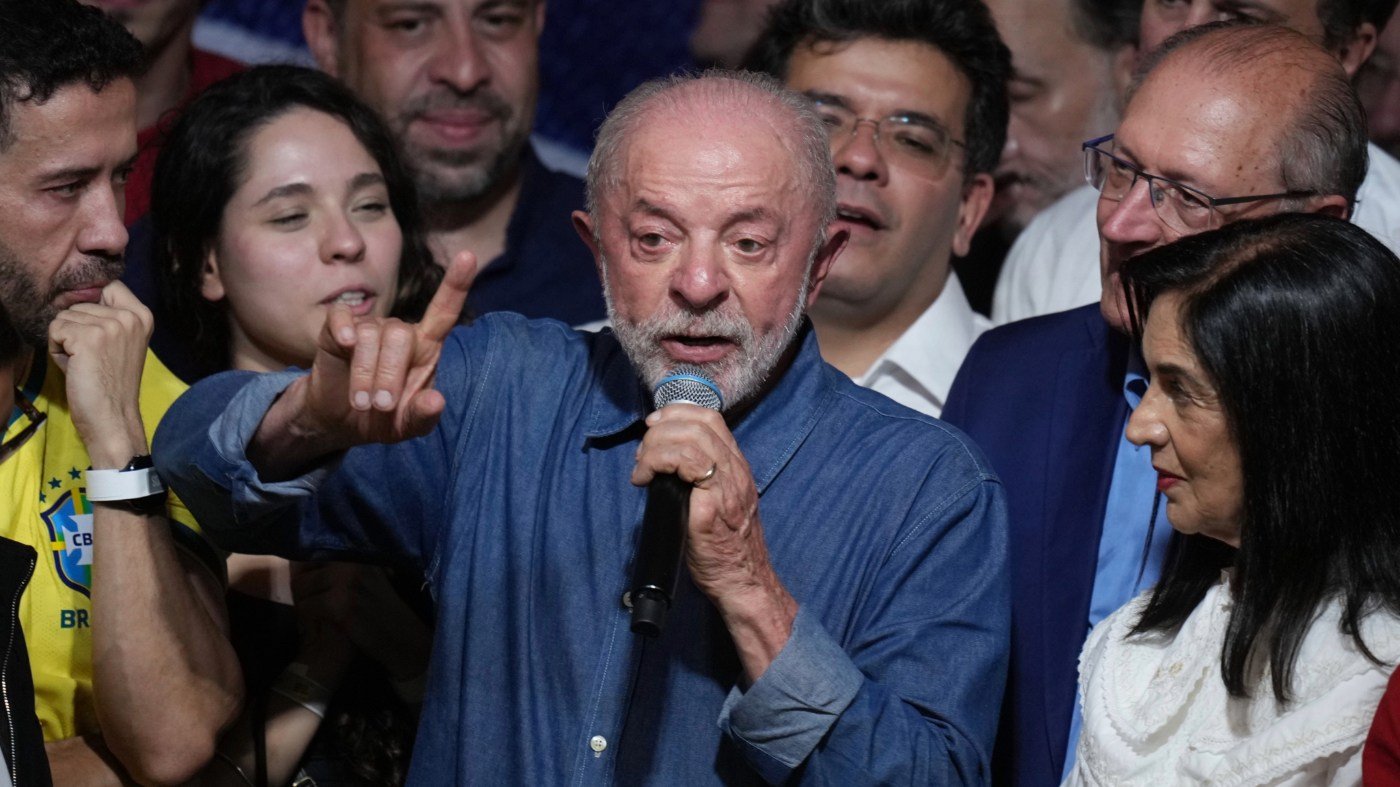
Brazil's political landscape shifted dramatically on October 25 when Luiz Inácio Lula da Silva clinched a fourth presidential term, defeating incumbent Jair Bolsonaro by a margin of 51.8% to 48.2%—a lead of over 4 million votes. The result, which followed a surprising first-round comeback, was immediately contested by Bolsonaro and his allies, with former President Donald Trump echoing claims of a rigged election. Yet despite the acrimony, the two leaders have met three times in the past 13 months, driven not by ideological kinship but by mutual commercial necessity.
Economic Interdependence Amid Political Friction
Trade between the United States and Brazil reached $135.7 billion in 2025, a 6.5% increase from the previous year, making Brazil the U.S.'s second-largest trading partner in the Americas. This economic reality forces both nations to navigate a relationship fraught with ideological clashes. Trump, a businessman, and Lula, a former labor leader with a half-century of activism against corporate interests, represent opposing poles. Lula's history includes friendships with authoritarian figures like Fidel Castro and Daniel Ortega, and his populist playbook is well-worn.

The cost of Lula's victory was steep: his Workers' Party pushed for at least $57 billion in social programs, including debt relief for small businesses, family subsidies for food and fuel, and credit card forgiveness. The market's response was immediate and brutal—the Brazilian real plunged 11% against the dollar, and stocks closed down 14% the day after the election, marking the worst single-day performance in decades.
A Pivotal Global Player
Brazil remains Latin America's largest country and one of the world's major democracies, wielding influence in the G20 and the BRICS bloc, alongside Russia, India, China, and South Africa. This positioning makes Brazil a strategic pivot between Western democracies and authoritarian regimes. Lula's victory complicates the so-called new Monroe Doctrine, especially after a series of leftist electoral wins across Latin America. However, confronting Brazil outright would harm U.S. business interests, while ignoring its deepening ties with Washington's adversaries could prove dangerous.
China's Growing Foothold
Lula's alignment with Beijing extends beyond trade. Earlier this year, Brazil hosted the People's Liberation Army Navy hospital ship Silk Road Ark, and the two nations conducted joint naval search-and-rescue exercises. Additionally, Lula has welcomed major Chinese companies, including electric vehicle maker BYD and telecom giant Huawei, which has faced espionage accusations from the U.S. and several European countries.
Brazil has also kept its distance from the "Shield of the Americas," the U.S.'s flagship security initiative in the Western Hemisphere, and has refused to label powerful criminal gangs like the Primeiro Comando da Capital and Comando Vermelho as terrorist organizations. This posture, coupled with Lula's friendly overtures to China and Russia, signals a recalibration of Brazil's foreign policy that Washington cannot ignore.
The Uncomfortable Necessity
For the United States, the relationship with Brazil under Lula will require a twofold strategy: containing Chinese expansion while negotiating with an awkward, unreliable—yet indispensable—partner. The stakes are high, and the path forward is fraught with tension. As Trump's allegations of a rigged election linger, and with Bolsonaro rejecting the result, the political atmosphere remains charged. Yet the economic imperative is undeniable. The U.S. and Brazil are bound by trade, investment, and shared regional interests, even as their leaders diverge on fundamental values.
In the coming years, Washington will need to engage with Lula's government with clear eyes, balancing pragmatism with vigilance. The alternative—allowing Brazil to drift further into China's orbit—would be a strategic misstep with global consequences. As Brazil's political trajectory continues to evolve, the U.S. must adapt to a new reality: a Brazil that is both a vital economic partner and a geopolitical challenge.