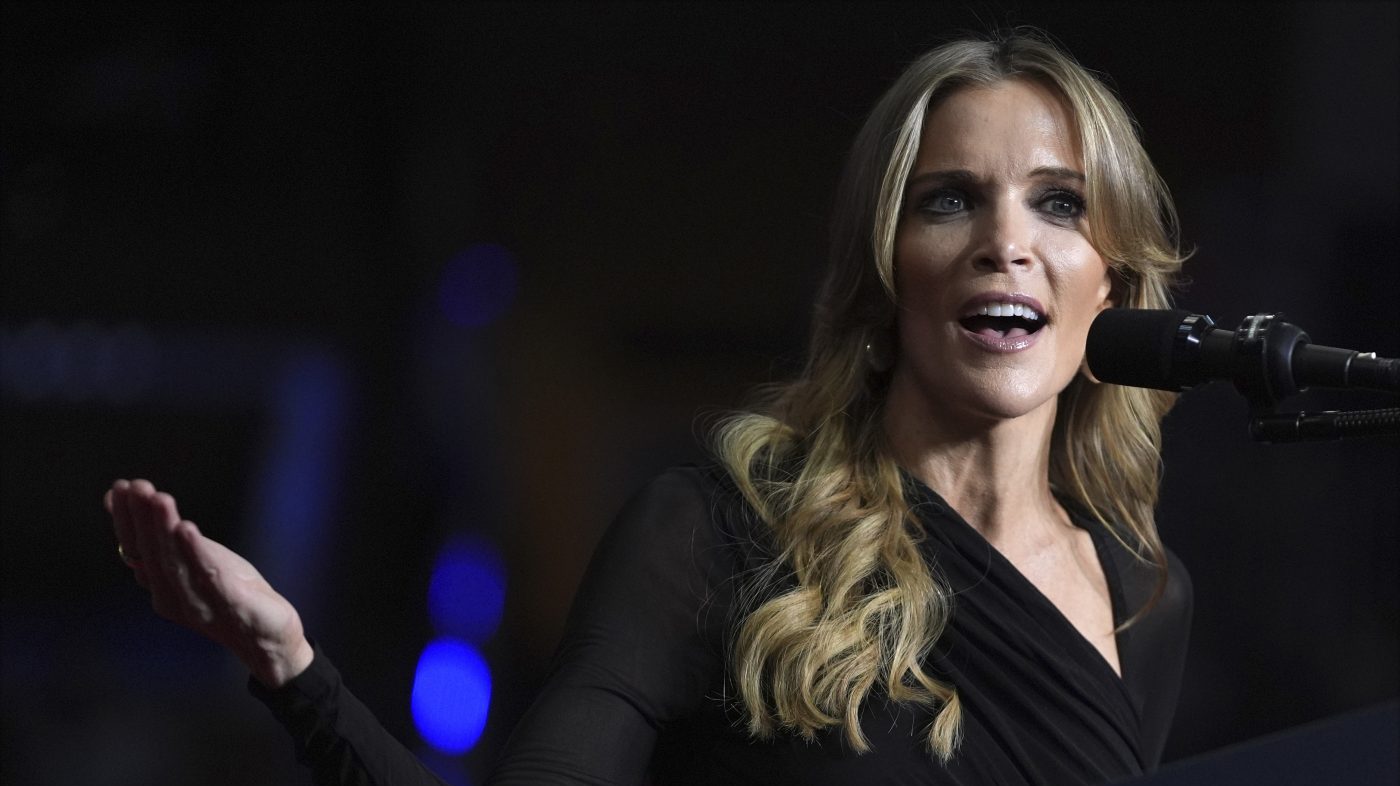
Conservative commentator Megyn Kelly delivered a blistering critique of President Trump's social media conduct on Tuesday, taking particular aim at a post in which he threatened to kill a "whole civilization" if the strategic Strait of Hormuz is not reopened to shipping traffic. Her remarks came as the administration announced a two-week pause in large-scale military strikes at Pakistan's request, with negotiations underway for a longer-term ceasefire.
A Scathing Rebuke of Presidential Rhetoric
On her weekly podcast, "The Megyn Kelly Show," the former Fox News host expressed profound frustration with the President's communication style. "I don't know about you, but I am sick of this! I'm just — I'm sick of it. Can't he just behave like a normal human?" Kelly said, dismissing explanations of Trump's approach as strategic "3D chess." Her central demand was blunt: "Just shut up."
Kelly focused her ire on the specific threat against a civilization, which she interpreted as targeting civilians. "You don't threaten to wipe out an entire civilization. We're talking about civilians, just casually in a social media post," she argued. While acknowledging the threat might be part of his negotiation tactics, which often involve a governing style compared to reality TV drama, she found this instance beyond the pale.
'Irresponsible and Disgusting'
"But this is completely irresponsible and disgusting. This is wrong. It's wrong. He should not be doing it," Kelly told her audience. She framed the issue as a fundamental failure of leadership, questioning whether dignity and strength required the specter of war crimes. "I don't care that it's … his negotiation tactic is to kill an entire country full of civilians — men, women, and children — an American president, so that the Strait of Hormuz will be opened? It's just wrong."
Kelly concluded with a pointed rhetorical question: "He can't be a dignified, strong leader without threatening a bunch of war crimes?" Her comments place her among other lawmakers and pundits who have denounced the President's language, even as some defend it as hard-nosed diplomacy. The episode follows a pattern where Trump has publicly clashed with media over Iran coverage and made sweeping geopolitical threats.
Ceasefire Context and Global Stakes
The diplomatic window for a solution remains open, albeit narrowly. The current two-week pause follows a request from Pakistan, and the three parties—the U.S., Iran, and intermediaries—are reportedly working toward a more durable ceasefire agreement. A key component of the discussions is a proposed joint U.S.-Iran venture to reopen the Strait with a toll fee, an unconventional economic arrangement for resolving a military standoff.
International leaders have cautiously welcomed the cessation of hostilities, which had fueled a severe global energy crisis. The conflict had effectively blockaded the Strait of Hormuz, a chokepoint for roughly a third of the world's seaborne oil. Data from maritime trade tracker Lloyd's List Intelligence showed traffic through the strait last week at 90 percent below normal volume, with shipments stalled for over a month. The ceasefire has already triggered sharp market reactions and a tumble in oil prices.
The military dimension remains tense. While strikes are paused, the Pentagon has signaled readiness. Military officials have confirmed forces are prepared to execute orders should diplomacy fail, underscoring the high-stakes environment in which Trump's social media threats are made. Analysts warn that such rhetoric, even as a tactic, risks destabilizing delicate negotiations and emboldening hardliners on all sides.
Kelly's outburst highlights a deepening rift within conservative commentary regarding the President's methods. It reflects ongoing tension between supporters of Trump's disruptive, pressure-driven approach and those who argue that the office demands rhetorical restraint, especially when nuclear-armed states and global energy supplies are involved. The episode is a stark reminder of how the President's personal communication channel continues to redefine the boundaries of presidential discourse and crisis management.