Pennsylvania Governor Josh Shapiro pointedly declined to rule out a 2028 presidential bid on Wednesday, positioning himself as a potential future contender while calling for a substantive debate within the Democratic Party about its post-2024 direction.
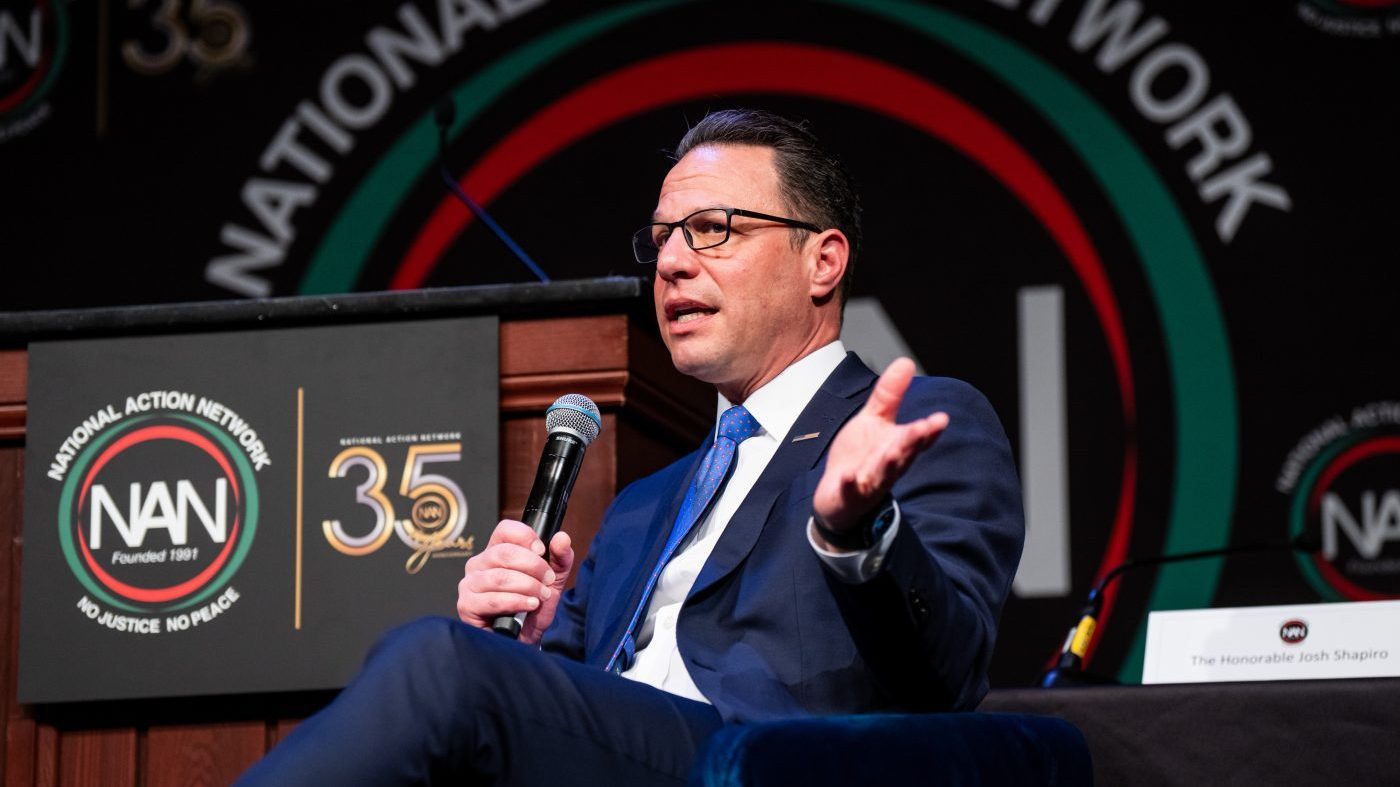
Speaking at the National Action Network's annual convention in New York City during a discussion with Reverend Al Sharpton, Shapiro framed the coming years as a critical period for Democrats to move beyond opposition to former President Donald Trump and articulate a clear governing vision. "We have an opportunity to have a real debate within our party about what we stand for, about what our affirmative vision is," Shapiro said. He argued the party must address "what we are going to do to make people's lives better," calling it a debate that "hasn't had for a good long while" and would be "healthy for this country."
When pressed by Sharpton on whether his comments indicated a desire to participate in a future NAN presidential debate, Shapiro offered a coy, non-denial. "I don't know that I said that," he responded. Sharpton immediately retorted, "But you didn't deny it." Shapiro then deflected with a lighthearted comment about sports rivalries, saying, "Next time I show up, I'll be in my Sixers hoodie, and we'll have a conversation."
The governor's appearance is part of a broader effort by potential 2028 candidates to raise their national profiles at influential gatherings. Shapiro is one of several Democrats seen as likely to enter what is expected to be a wide-open primary following the 2024 election cycle, joining figures like Representative Ruben Gallego, who is positioning himself as a bridge to Latino and working-class voters. On the Republican side, figures like Senator Rand Paul are also weighing potential 2028 campaigns as libertarian alternatives.
Shapiro emphasized his immediate focus is on his own reelection campaign this November. He framed the upcoming midterms as "a national referendum on Donald Trump," urging Democrats to channel energy into those contests. "As to who's a candidate at the end of the day, that's for another day," he stated, deferring any formal declaration. "But right now, what is critically important is that we have this national referendum in the midterms, and then we have an honest conversation as a party and as a country about what direction we want to go."
His comments reflect a growing internal Democratic discussion about the party's ideological and generational future, a conversation that will intensify after the 2024 presidential election. Other potential contenders, such as Michigan Representative Elissa Slotkin, have similarly left the door open for 2028 while focusing on midterm strategy.
The governor's national political maneuvering occurs alongside his state-level governance. Recently, Shapiro demonstrated a pragmatic approach by signing a bipartisan bill to extend Philadelphia bar hours for major events, showcasing his ability to navigate bipartisan deals—a trait often valued in national candidates.
Shapiro's call for a party debate on substance arrives as international crises, like the ongoing tensions with Iran, dominate foreign policy discussions. The administration is currently seeking legal reviews for potential strikes against Iran as war crime allegations mount, while lawmakers pursue measures like a push to curb presidential authority for a nuclear first strike. These complex security issues will form a critical part of the foreign policy platform for any 2028 aspirant.
By framing his potential candidacy around facilitating a necessary intraparty debate, Shapiro is attempting to position himself as a forward-looking figure focused on renewal rather than merely personal ambition. His ultimate decision will hinge on the outcome of the 2024 cycle and the Democratic Party's assessment of its path forward after what promises to be another highly contentious presidential election.