A fresh survey indicates that a broad majority of American voters want the next Congress to make reducing the cost of living and ending the Iran conflict its top priorities. The Associated Press-NORC Center for Public Affairs Research poll, which surveyed 1,119 adults, found that roughly 80 percent of respondents believe lowering prices should be a primary focus for lawmakers in the 120th Congress.
About 70 percent of those surveyed also said that winding down the Iran war should be a key priority. The conflict, now nearly eight months old, has claimed the lives of 21 U.S. service members and contributed to a spike in gasoline prices, which have averaged above $4 per gallon. According to the consumer price index, annual inflation rose from 2.4 percent in February to 3.7 percent last month, with energy costs climbing 20.4 percent year over year after their largest monthly jump since March, the war's first full month.
Political Battle Lines
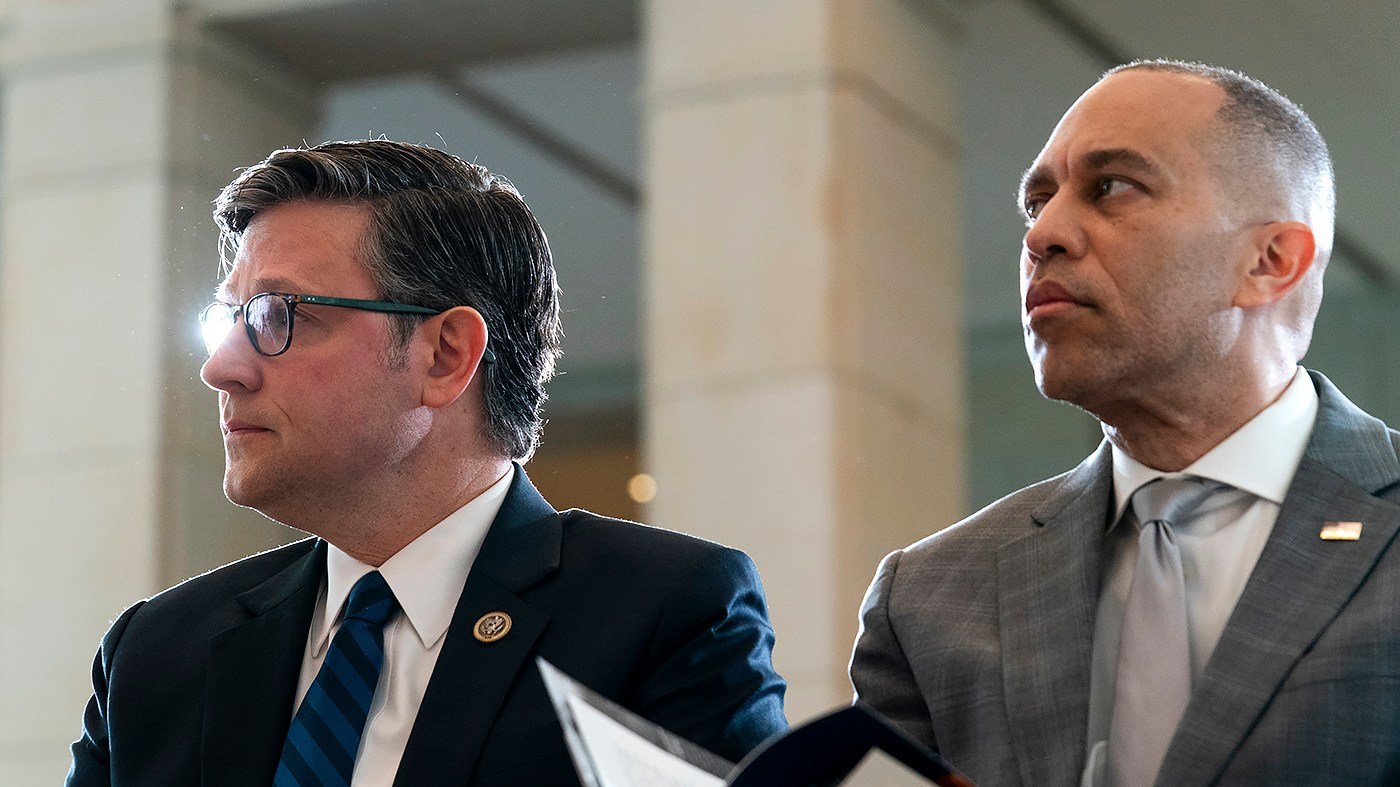
Democrats are campaigning to take control of Congress for the remainder of President Trump's second term. They have centered their message on blocking the president's tariffs and forcing an end to the Iran war. House Minority Leader Hakeem Jeffries (D-N.Y.) hammered that theme on the campaign trail this month, saying, "Two years ago, Donald Trump and MAGA extremists promised that they were going to lower the high cost of living on day one. But costs haven't gone down, costs have gone up."
Republicans, meanwhile, argue that they should retain power to help Trump implement his agenda after what they describe as the failures of former President Biden's four years. The president and GOP leaders have also resorted to labeling Democrats as "communists," a charge that has intensified after several left-wing candidates won primaries earlier this year.
GOP Base Lukewarm on Trump Agenda
Despite the GOP's push, the poll reveals that only about 2 in 10 respondents want Congress to prioritize backing Trump's agenda, including roughly 4 in 10 Republicans. This suggests a tepid endorsement of the president's policies even among his own party's voters, a dynamic that could complicate Republican efforts to rally the base. As inflation spikes complicate GOP midterm strategy, the survey's findings underscore the electoral weight of economic concerns.
The survey, conducted from Oct. 8-12, has a margin of error of 3.9 percentage points. The results come as forecasters shift House races toward Democrats, and as Texas polls show 91% see the Iran conflict driving up fuel costs. These numbers could shape the final stretch of the midterm campaign, with voters clearly prioritizing pocketbook issues and a foreign policy exit.
For Democrats, the challenge is to convert this voter sentiment into electoral gains, while Republicans must navigate a base that appears less enthusiastic about Trump's agenda than the party's leadership. The next Congress, whatever its composition, will face immediate pressure to act on these priorities, as the national debt surpasses $40 trillion and interest costs outpace defense and health spending.