The Federal Reserve's preferred inflation gauge moved higher in September, reversing August's modest cooling, according to data released Thursday by the Bureau of Economic Analysis.
The personal consumption expenditures (PCE) price index climbed 0.5% from the previous month and stood 3.6% above September 2025 levels. That followed a 0.4% monthly rise in August and a year-over-year rate that had dipped to 3.4% in August from 3.7% in July.

The latest reading aligned with projections from the Federal Reserve Bank of Cleveland, which had forecast a 0.5% monthly increase and a 3.6% annual gain for September.
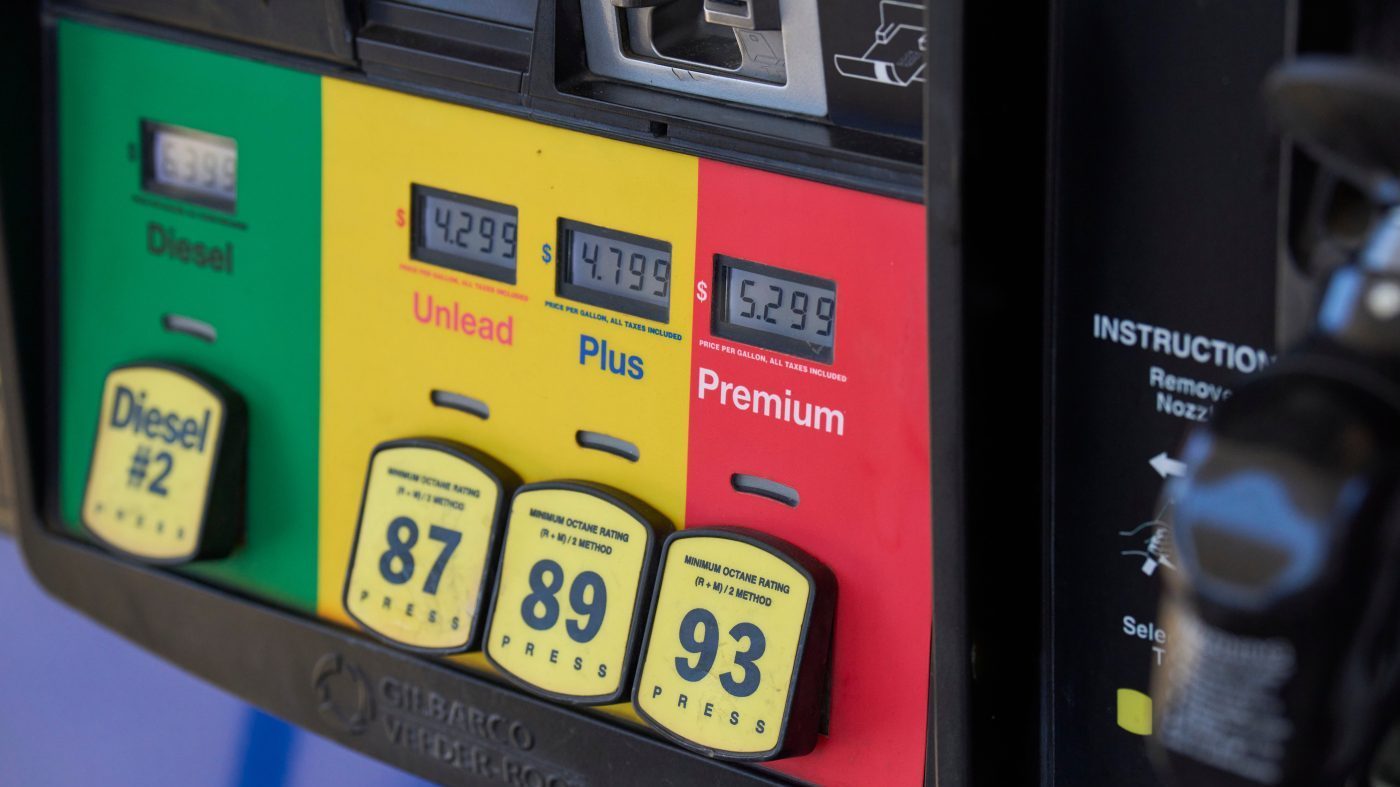
Energy costs were the primary driver of the uptick. Gasoline and other energy goods jumped 9.2% from August to September, building on a 4.4% increase the prior month. Prices at the pump have now risen in six of the first nine months of this year, largely due to supply disruptions linked to the Iran war, including Tehran's restrictions on shipping through the Strait of Hormuz.
Inflation has now exceeded the Fed's 2% target for five and a half years. That persistence prompted central bank officials to implement a quarter-point rate hike in mid-September, lifting the federal funds rate to a range of 3.75% to 4%.
However, at its meeting this week, the Federal Open Market Committee (FOMC) voted 10-2 to hold rates at that level, a decision that reflects growing unease about the economic outlook. The dissents signal internal divisions over the appropriate path forward, as detailed in the Fed's latest policy split.
Speaking after the decision, Fed Chair Kevin Warsh emphasized that the central bank is not ready to declare victory. "What we've done in this monetary medicine, it's starting to work some, but there's no firm conclusions," Warsh said. "If we had a firm conclusion about the conduct of monetary policy, we'd announce it to much fanfare today."
Warsh indicated that the period leading up to the FOMC's next meeting in early December should "provide more clarity" on the appropriate policy protocol. Markets will be watching for further data on employment and consumer spending, as well as any developments in energy markets that could influence the inflation trajectory.
The mixed picture—cooling core pressures but surging energy costs—leaves the Fed in a delicate position. With the election looming, the central bank's decisions are under heightened political scrutiny, as the Fed's election-year calculus becomes a focal point for policymakers and investors alike.
For now, the Fed's stance suggests a preference for patience, even as inflation remains stubbornly above target. The upcoming weeks will be critical in determining whether the central bank's next move is a hike, a hold, or eventually a cut.