Federal Reserve policymakers are set to announce their latest interest rate decision on Wednesday, with widespread expectations that they will leave borrowing costs unchanged. The move comes as inflation remains stubbornly above the central bank's 2% target, adding pressure on households just days before the midterm elections.
Data from the consumer price index released last month showed annual inflation at 3.7% in September, up from 3.4% in August. That uptick underscores that price pressures are not fading quickly, even as the economy contends with the ongoing conflict in the Middle East.

Despite those figures, several top Fed officials have signaled a cautious approach. Vice Chair Philip Jefferson and New York Fed President John Williams have both indicated they need more time to assess economic trends before endorsing another hike. Patrick Harker, former president of the Philadelphia Fed, told The Hill that the central bank has "signaled pretty clearly that they're going to be holding this meeting."
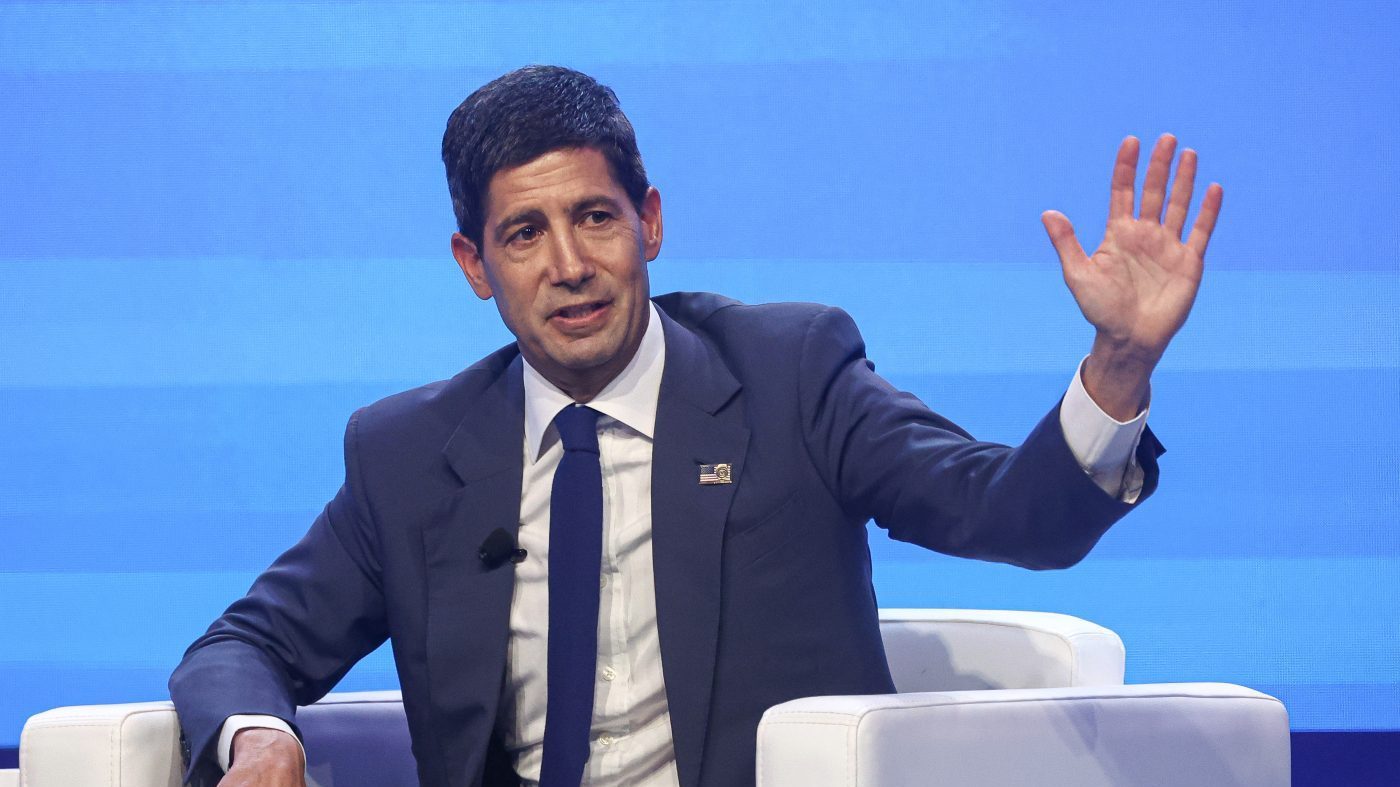
The Fed's last rate increase came in September, when it raised its benchmark rate by a quarter point. At that time, Chair Kevin Warsh stressed that inflation had been "too high" for "too long," arguing the central bank needed to remove a "dose of accommodation" from the economy. He added that summer inflation readings did not suggest underlying trends had "meaningfully improved." Following that move, 16 of 18 Federal Open Market Committee members projected at least one more hike this year.
Hawkish voices, including Vice Chair Michael Barr and Philadelphia Fed President Anna Paulson, have echoed that sentiment. Paulson said in late September that "some modest further tightening may be warranted" if conditions evolve as she expects. But officials have repeatedly emphasized that they will keep reviewing incoming data before committing to any action.
Market expectations have shifted dramatically in recent weeks. According to the CME FedWatch tool, traders now price in a 92.8% chance that the Fed holds rates steady on Wednesday, a stark reversal from a month ago when a quarter-point hike was seen as more likely.
Dr. Ellen Meade, a former Fed policy adviser and now a research professor at Duke University, told The Hill she does not expect movement this week. "I'm not expecting them to do anything other than maybe update in the statement their characterization of the economy," she said.
The timing of the decision is politically sensitive, with Election Day less than a week away. President Trump has repeatedly called for lower rates, while Republicans face voter frustration over high prices. Democrats are hoping to turn that discontent into electoral gains. Meade noted that Fed officials generally prefer to avoid rate changes close to an election if possible, though they did raise rates in November 2022 days before the midterms—when inflation was running at a 40-year high of 9.1%.
Heather Long, chief economist at Navy Federal Credit Union, told The Hill that holding rates is likely given the "coin flip" nature of the decision and the proximity to the election. But Harker, who now teaches at the University of Pennsylvania's Wharton School, argued that the choice is not a toss-up. He pointed to inflation staying above 2% for five and a half years, saying, "One shock is bad luck, but three in five years is a pattern."
Even if the Fed were to raise rates, the effects on the economy would take 12 to 18 months to materialize. Meade acknowledged that a hike could influence consumer and business sentiment, but Harker downplayed its macroeconomic impact, saying, "I don't think raising the fed funds rate is going to make a whole lot of difference."
Meanwhile, elevated borrowing costs are already a political liability for the GOP. The average 30-year fixed mortgage rate has climbed above 7.3%, up about 1.3 percentage points since before the Iran war began, according to Freddie Mac. Credit card interest rates have also surged, hitting 19.7% earlier this month—the highest level since December 2025, as reported by Bankrate. Trump has blamed the Fed for these higher mortgage rates, even though they were rising before the central bank's September hike.
As the Fed weighs its decision, the broader economic picture remains uncertain. With inflation still above target and a potential conflict-driven energy shock, the central bank's next moves will be closely watched by markets and politicians alike.