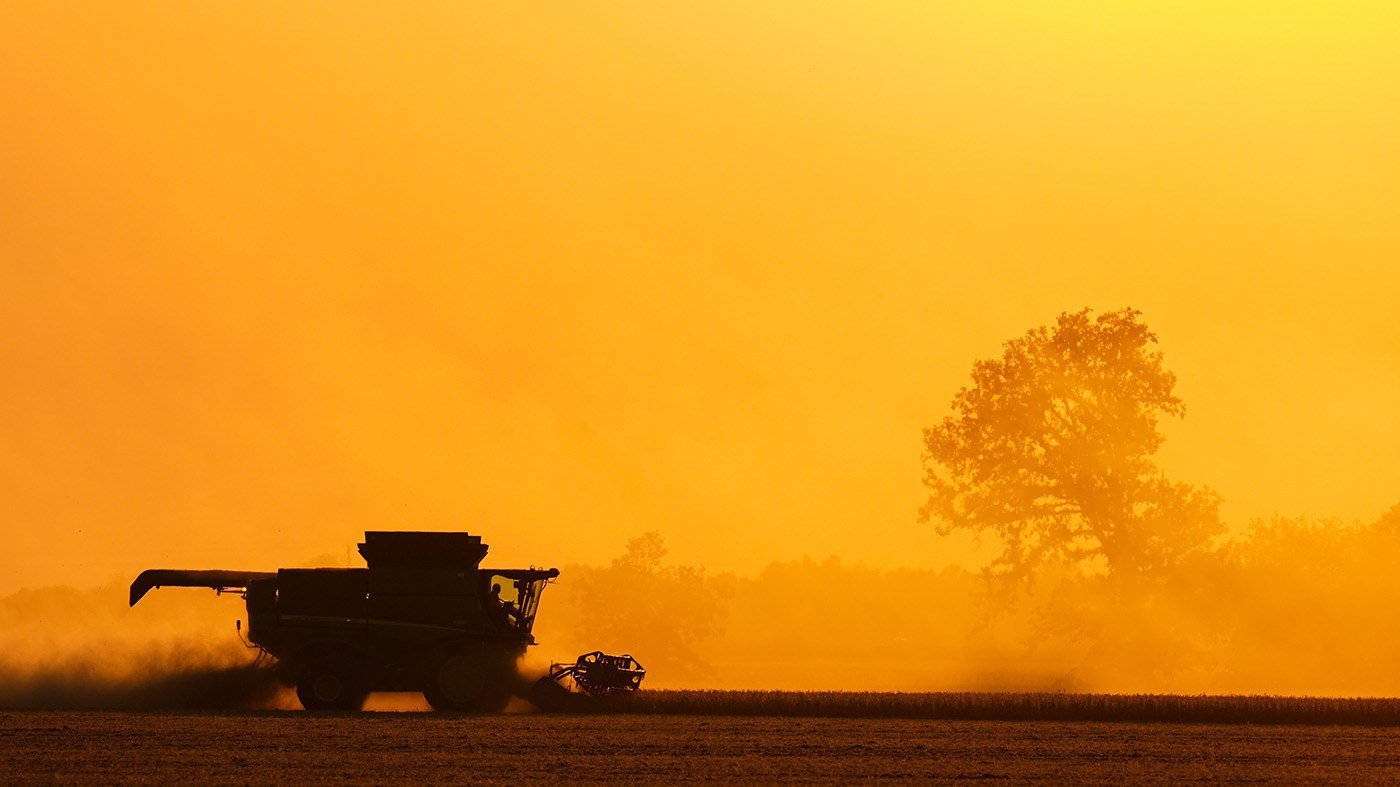
Farmers have long been a reliable Republican voting bloc, but with the ongoing conflict with Iran and President Trump's tariff and trade policies driving up production expenses, their loyalty is being tested. Diesel and fertilizer prices have climbed sharply, squeezing farm budgets and fueling discontent that could have electoral consequences in next week's midterms.
The administration has rolled out a series of financial assistance programs and infrastructure projects aimed at shoring up support in rural communities. However, these moves may not be enough to assuage a group that feels increasingly ignored. “Yes, I think they’re nervous. Yes, I think they should be, and yes, I think that farmers are pretty ticked off,” said Amy Frederiksen, a former Minnesota Republican Senate majority leader. She noted that while farmers “don’t want to vote for a lot of the Democrats’ nonsense,” they are also concerned about their livelihoods. “They want to vote for Republicans, but this is their business, these are their families, and it doesn’t appear that anyone’s listening,” she added.
In battleground farm states like Ohio, Iowa, Kansas, and Nebraska, Republican House and Senate candidates are facing unexpectedly tight races. Some have pressed the administration and Congress to address the escalating costs. Trump captured 69 percent of the rural vote in 2024, but recent polling indicates that this key constituency is dissatisfied with his performance on the economy. A KFF/AP poll found that roughly 6 in 10 rural voters disapprove of Trump's handling of the economy, with the cost of living emerging as their top concern.
The financial strain is acute. The average price of diesel has reached about $6.35 per gallon, and fertilizer costs have also risen. According to an American Farm Bureau Federation survey from April, 94 percent of farmers said their financial situation has worsened or stayed the same compared to last year. This economic anxiety is leading some to consider staying home on Election Day rather than casting a ballot for either party.
“I think you’ll see some poll to Democratic candidates, but I also heard a number of people tell me that they just don’t feel like they can support anybody in this election, and that’s a shame,” said Nick Levendofsky, director of the Kansas Farmers Union. Brian Reisinger, a rural policy expert and author of “Land Rich, Cash Poor,” called this election “the biggest test yet of the Republican Party’s standing in rural America.” He warned that if farm communities don’t turn out at the same levels, “some folks at the margins end up willing to vote for a blue-collar Democrat who they think is fighting for them.”
In a last-minute bid to shore up support, the Trump administration has announced several measures. Last week, Trump unveiled an $8 billion Harvest Fuel Relief Program during a rally for Kansas Senator Roger Marshall, promising one-time payments to offset diesel costs for the harvest season. Vice President Vance also announced a $1.3 billion investment in domestic fertilizer plants in Nebraska. Additionally, Trump pledged to allow year-round sales of E15 ethanol-blended fuel, a move that would benefit corn farmers, but only if Marshall is reelected.
These efforts follow earlier actions, such as an executive order expanding the use of red-dyed diesel for farm equipment. Yet critics argue the relief is too little, too late. “Personally, I think it’s too little, too late. They should have been doing something as far as relief a long time ago,” Levendofsky said. “I think it’s their last-ditch Hail Mary… to try to pull in some votes ahead of the election. And I don’t know if it’s going to do them any good, to be honest.”
Aaron Lehman, a fifth-generation Iowa farmer and president of the Iowa Farmers Union, echoed that sentiment. In a statement, he called the relief package “a Hail Mary pass to fix a problem his policies created” and cited it as a reason the union endorsed five Democratic candidates for Congress. “Farmers never should have been put in this position. A Band-Aid response now, 2 weeks before the election, doesn’t fix the problem,” Lehman said.
Political strategists are skeptical that the announcements will shift many votes. Ryan Horn, founding partner of Nebraska-based Bullhorn Communications, predicted that typical Republican voters will still show up, but the aid “probably won’t change the decision points for most voters.” With polls showing rural voters still trust Republicans more on key issues, the bigger risk may be apathy rather than a wholesale shift to Democrats. As Reisinger put it, “We’re not going to see all that shift toward Republican control of rural areas completely reverse. But will we see it slump? Possibly.” The outcome could hinge on whether frustrated farmers decide their vote matters more than their anger.