President Trump's approach to Ukraine has become a geopolitical enigma, drawing comparisons to Churchill's famous description of Russia as "a riddle wrapped in a mystery inside an enigma." In 2025, Trump publicly humiliated Ukrainian President Volodymyr Zelensky in the Oval Office, rolled out the red carpet for Vladimir Putin, halted direct U.S. economic and military aid to Kyiv, and floated peace proposals that critics say simply reward Russian aggression.
The tilt toward Moscow defies strategic logic, fueling wild speculation: Is Trump afraid of Putin? Does the Kremlin hold compromising material on him? Or is he acting as a Russian asset? The question echoes another line often attributed to Churchill: "You were given the choice between war and dishonor. You chose dishonor, and you will have war."
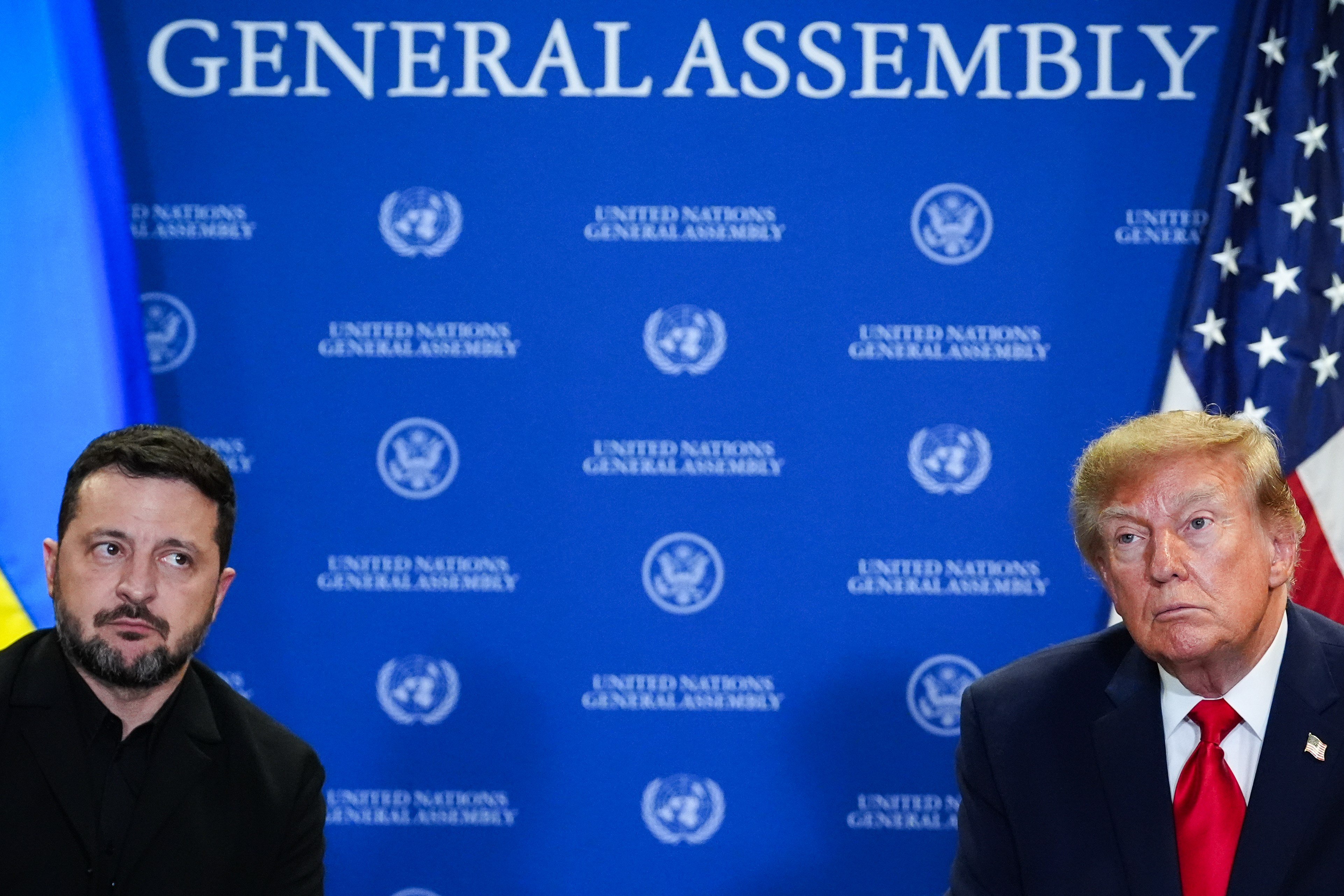
In the days following his latest phone call with Putin, Trump announced a sanctions waiver for Russian diesel exports to global markets—a move that hands Moscow billions in additional revenue to fund its war machine. He also appears to have restricted Ukraine's access to vital battlefield satellite systems, put sweeping sanctions on hold, called for Zelensky's ouster, and blocked deliveries of U.S.-made Patriot interceptor missiles to Ukraine, both from American stockpiles and from European allies.
The diesel waiver, which Trump justified as "in the national interests of the United States," came just before the sanctions were set to take effect, with no explanation of those interests. The sanctions had been designed to squeeze Russia's finances for its illegal war. Rep. Don Beyer (D-Va.) didn't mince words: "Trump's latest surrender to Putin again betrays our Ukrainian partners and defies clear congressional intent of legislation designed to punish Russia for its illegal war of aggression."
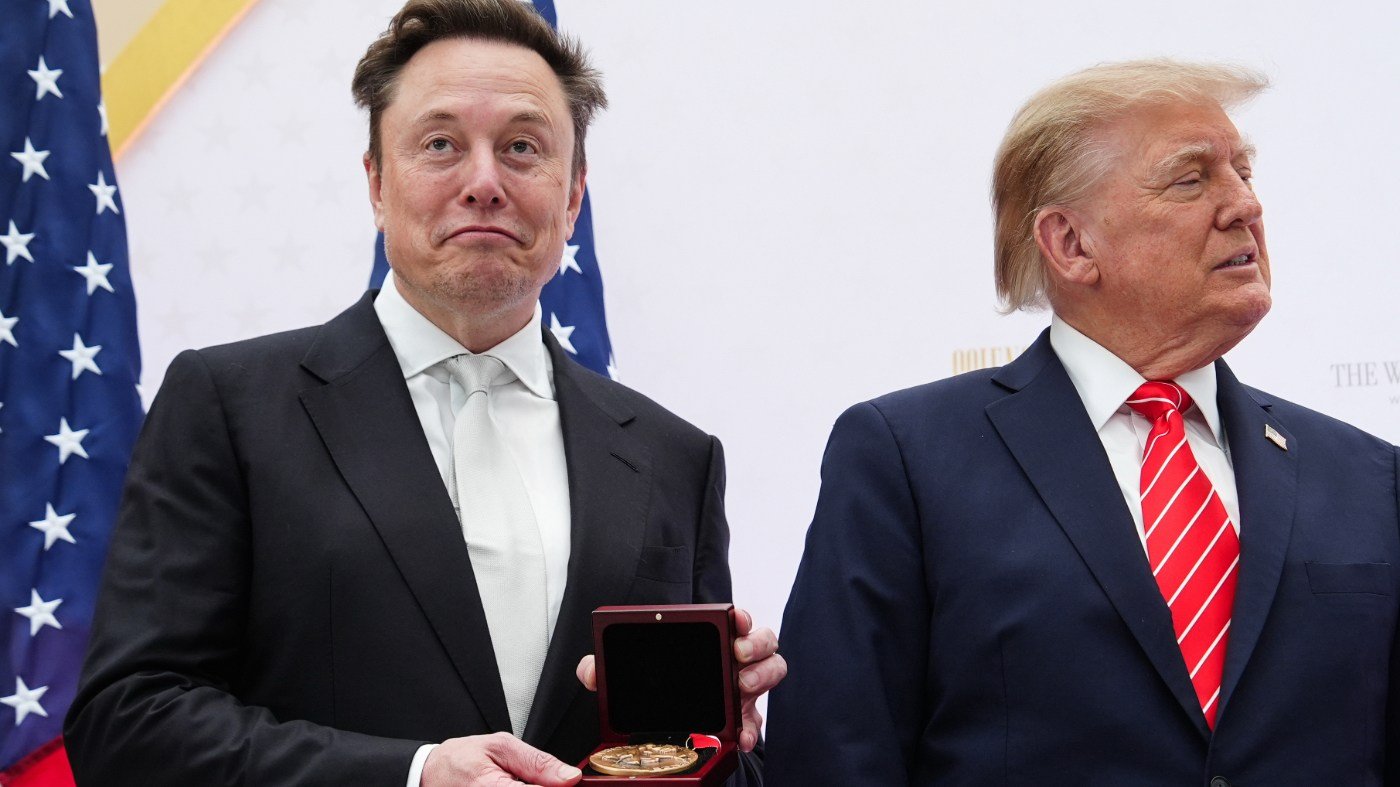
More alarming is Trump's apparent follow-through on threats to restrict Ukraine's use of Starlink and Starshield, the satellite systems operated by Elon Musk's SpaceX. Starlink handles communications and defensive drone coordination, while Starshield—controlled by the U.S. government—is used for offensive operations. On Oct. 14, despite Trump's claim of an "energy ceasefire," Russia launched 39 ballistic missiles and over 120 drones at Ukrainian energy and civilian targets. Ukraine received no U.S. intelligence warning, and Ukrainian operators found that without Starlink, they couldn't control drones at speeds above 100 mph.
The attack killed at least six Ukrainians and left 600,000 without power. It was one of the largest assaults of the war, and the timing suggested someone tipped off the Kremlin about the window of opportunity. Musk, who has been critical of Zelensky's war effort, initially appeared to have sabotaged Ukrainian operations. But he blamed Trump, saying Starshield is owned and controlled by the U.S. government, and any limits are decided by the military and ultimately the president.
Trump denied involvement, claiming, "In fact, I don't even think it was slowed down, from what I understood," and that "it wasn't me, and it wasn't Elon." Yet Reuters reported the order came from inside the White House. Sources familiar with the discussions say Musk approached Trump with the idea of slowing the systems, and Trump agreed. One source noted, "The reality is that they were both in it." American officials ultimately blamed Musk.
Zelensky called the restrictions "a planned operation," noting they began overnight on Oct. 13 and lasted until Saturday, when operations returned to normal. A bipartisan group of senators has demanded an investigation. The episode recalls a Bret Harte poker game where one player is shot and the survivors blame each other. Meanwhile, Trump's broader Ukraine policy—from the diesel waiver to the Patriot missile block—continues to raise the question: Whose side are we on?