The Trump administration is set to announce a proposed rule to relax methane emissions regulations for the oil and gas industry, with a particular focus on low-producing, high-emitting wells. President Trump will unveil the draft rule during a rally in Texas on Tuesday evening, according to an administration official who confirmed the plan.
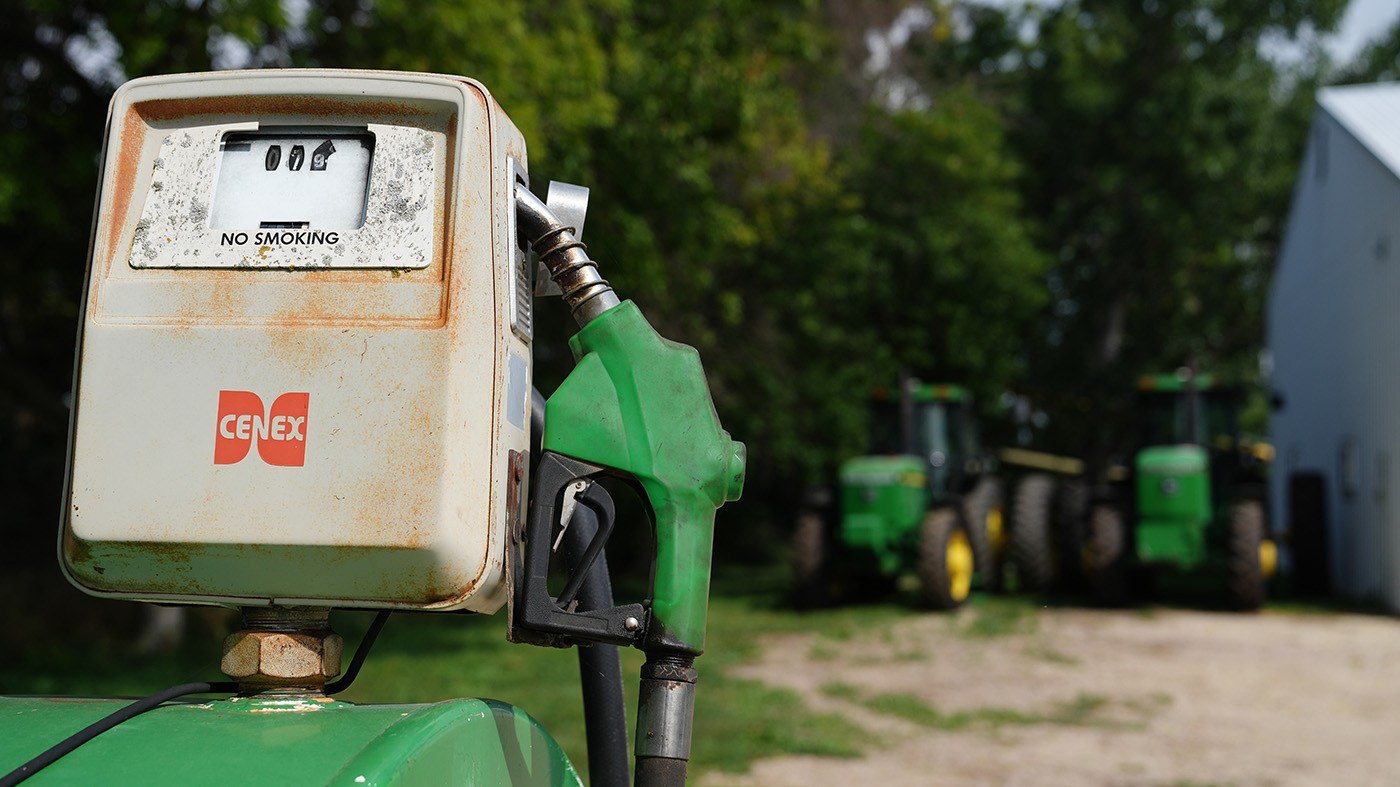
The proposed changes would ease requirements for so-called marginal wells, which are small producers that collectively account for about 7 percent of U.S. oil and gas output but are responsible for roughly half of the sector's methane emissions. Methane, a potent greenhouse gas, has a warming effect about 28 times stronger than carbon dioxide over a century and contributes to about a quarter of global warming. It is released during fossil fuel extraction and transport, as well as from agriculture and waste decay.
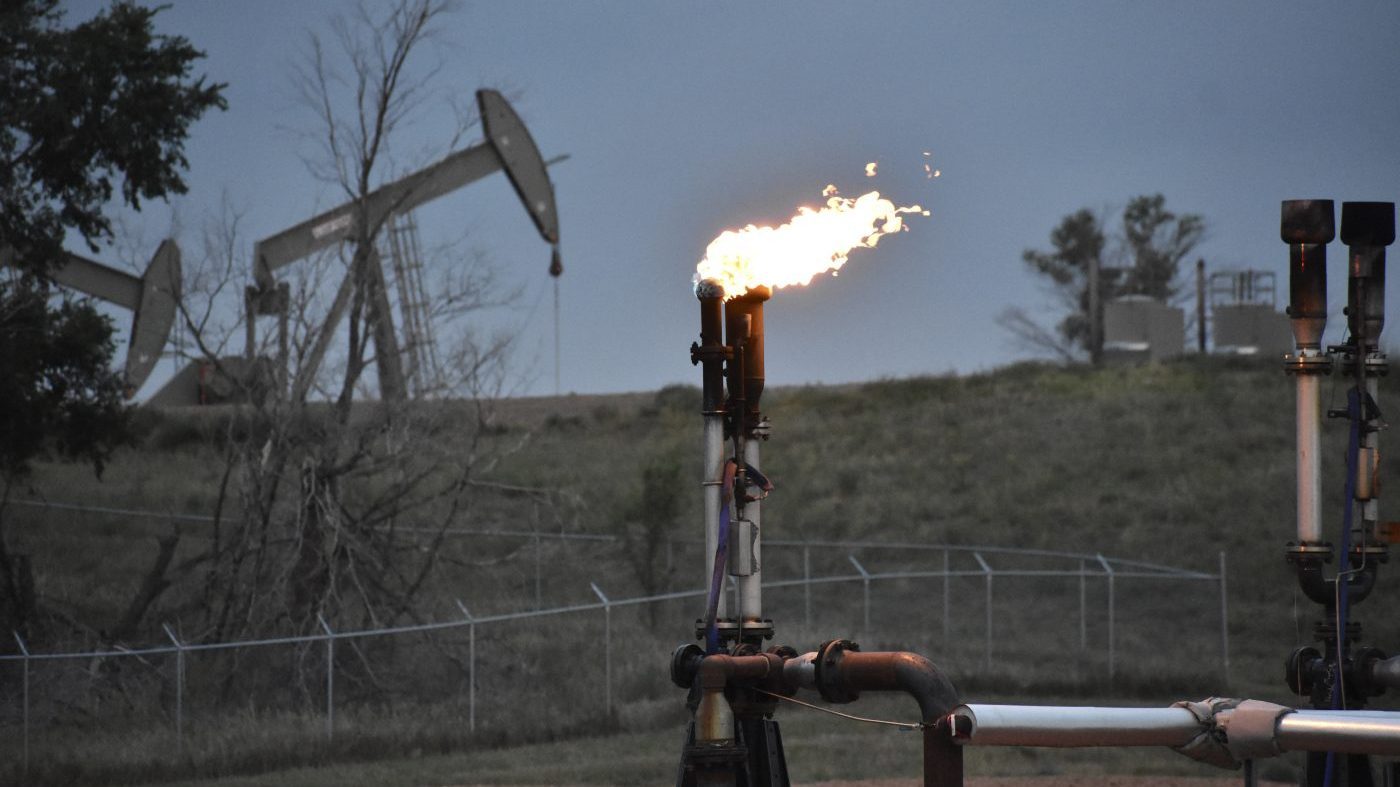
Beyond marginal wells, the administration is also moving to relax broader rules for the oil industry, including Biden-era measures aimed at phasing out flaring—the burning of excess natural gas during oil production. The details of the announcement were first reported by Bloomberg, and the administration official confirmed the accuracy of that report.
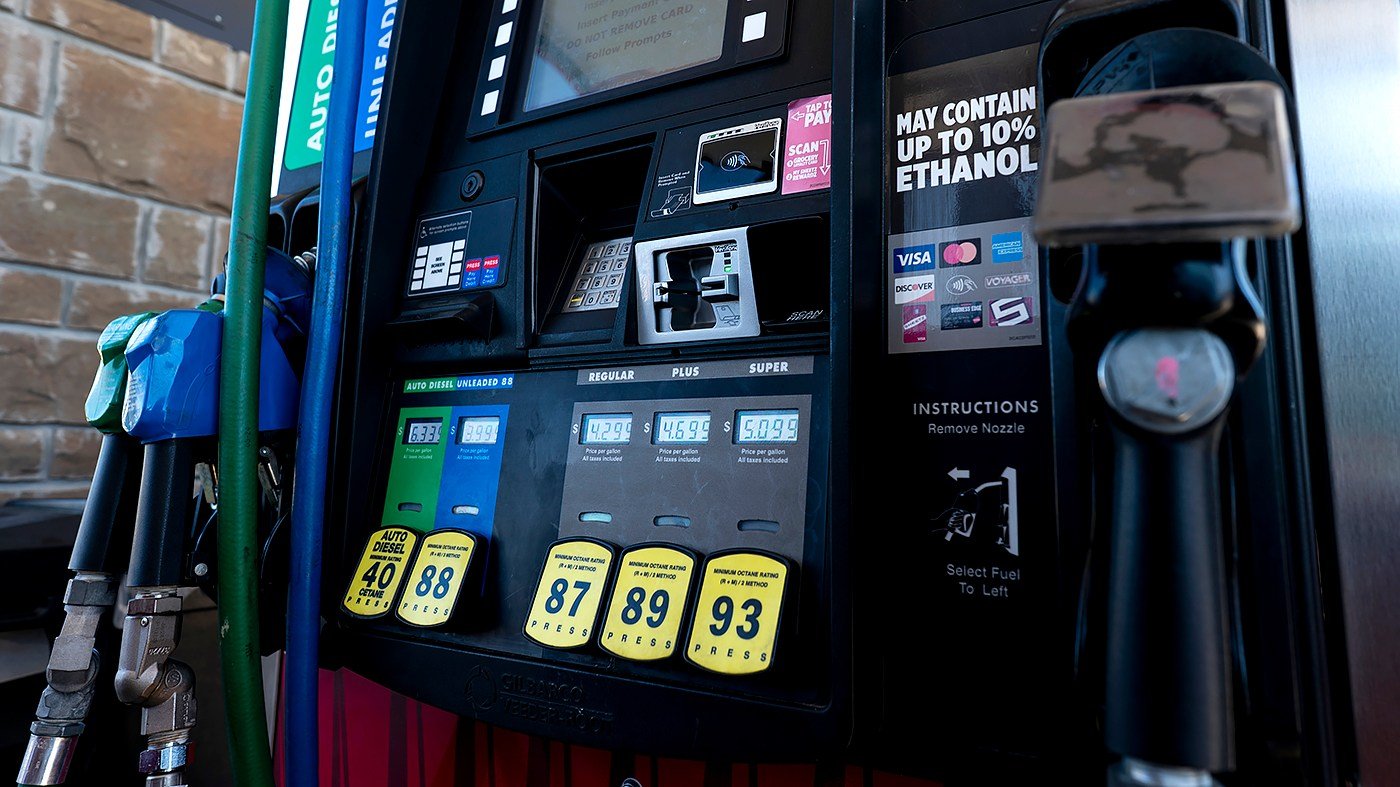
Trump is expected to frame the rollback as a way to boost domestic energy production, a key priority for his administration. The move comes as high fuel prices are a political liability for Republicans ahead of the midterm elections, and the president's appearance in Texas is intended to support state Attorney General Ken Paxton, who is running for Senate in the oil-rich state.
The administration projects the changes will save the oil and gas sector $45 billion and allow an additional 210 million barrels of oil and 1.41 trillion cubic feet of natural gas to be produced between 2027 and 2050. That would represent roughly 10 days' worth of U.S. oil consumption and 15 days' worth of natural gas use, based on current daily demand of about 21 million barrels and 92 billion cubic feet, respectively.
Environmental advocates are likely to push back, noting that the Biden administration in 2023 tightened methane rules, claiming they would prevent 58 million tons of methane from entering the atmosphere between 2024 and 2038—the equivalent of taking 28 million gas-powered cars off the road for a year.
The EPA has already previewed the rollback, saying it would also eliminate the Biden-era Super Emitter Program, which required energy companies to respond to credible reports of major methane leaks. The administration has halted that program and is expected to propose its repeal.
The move is part of a broader push to reduce regulatory burdens on the energy sector, but it raises questions about the administration's commitment to addressing climate change. As the president prepares to rally in Texas, the policy is likely to intensify the political debate over energy costs versus environmental protection.