In a late-night vote Wednesday, the Senate declined to rebuke President Trump over the military conflict in Iran, with a 47-50-1 tally that fell short of the majority needed to advance a war powers resolution. The measure, which would have directed the president to remove U.S. forces from hostilities in or against Iran unless explicitly authorized by Congress, was the second such attempt to challenge the administration's use of military force.
Republican leaders successfully argued to wavering GOP senators that passing the resolution would undercut ongoing negotiations to end the conflict. The vote marked a sharp reversal from earlier bipartisan efforts to reassert Congress's constitutional authority to declare war, as Trump erupted at Sen. Bill Cassidy in a closed-door meeting over the issue earlier in the day.
Rand Paul's Strategic Abstention
Sen. Rand Paul (R-Ky.), who had previously voted with Democrats on similar resolutions, announced he would vote "present" rather than "no" to avoid jeopardizing the negotiations. "Since hostilities seem to be over and the President asked me to give consideration to his negotiating position, I will do so," Paul said in a statement. "My vote of present is a way to give the President more space and leverage to negotiate a lasting peace."
Paul's move effectively denied the resolution the support it needed, as Democrats had counted on his vote. The final tally showed 47 in favor, 50 opposed, and one present.
Cassidy's Shouting Match with Trump
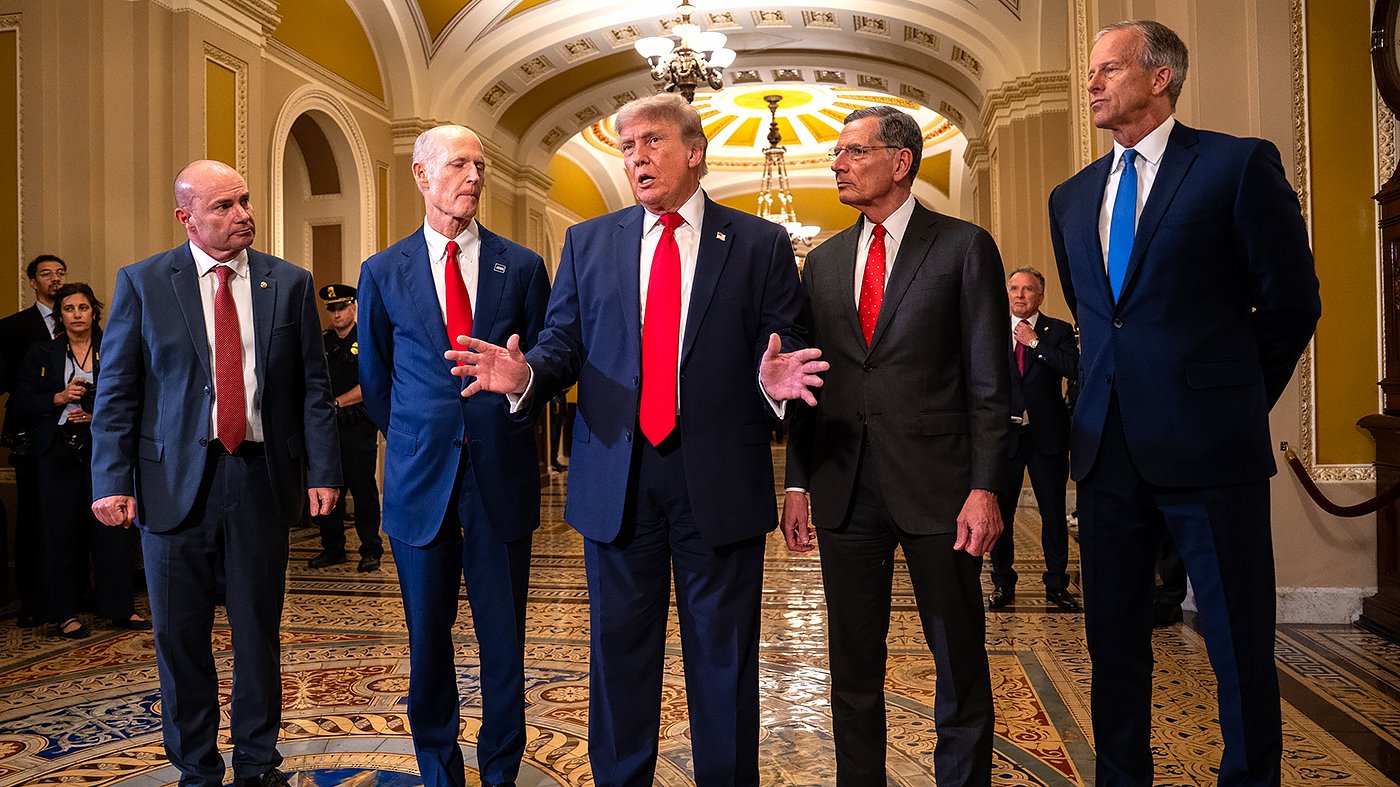
Earlier Wednesday, Senate Republicans heard Trump's defense of the military campaign in Iran, which included a tense exchange with Cassidy. The Louisiana Republican later described it as a shouting match over the administration's lack of transparency with Congress regarding operations in Iran. Cassidy had been a key swing vote and had pressed for more detailed briefings before the vote.
The resolution would have been Congress's way to reassert its power to declare war, a authority that many lawmakers feel has been eroded by executive actions. It directed Trump to "remove the United States Armed Forces from hostilities within or against Iran, unless explicitly authorized by a declaration of war or a specific authorization for use of military force."
Broader GOP Divisions on Iran Policy
The vote highlighted deepening divisions within the Republican Party over Trump's approach to Iran. While most GOP senators fell in line, the defection of several swing votes—and the near-miss on the resolution—signaled unease. The defeat comes as fiscal conservatives resist Trump's $1.5 trillion defense and Iran war funding push, adding another layer of tension to the party's internal dynamics.
Democrats argued that the resolution was a necessary check on executive overreach. "Congress has the sole power to declare war, and we are abdicating that responsibility," said Sen. Tim Kaine (D-Va.), a lead sponsor. "This vote is about whether we will stand up for the Constitution."
The outcome leaves the administration with a freer hand to continue negotiations, but the close margin suggests that further military escalation could trigger a more forceful congressional response. For now, the Senate GOP has chosen to give Trump the benefit of the doubt—but the fissures remain visible.