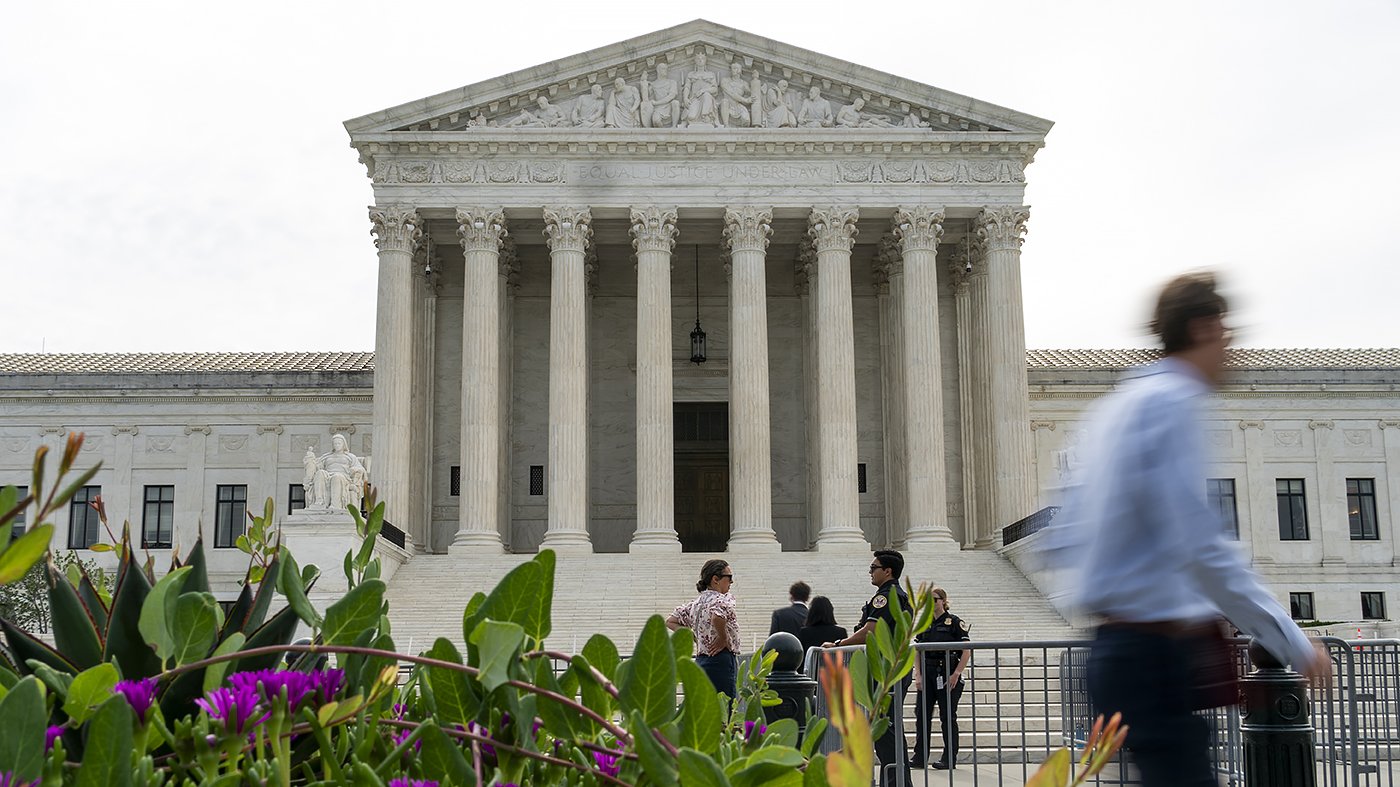
The Supreme Court handed President Donald Trump a significant win on immigration Monday, ruling 6-3 that his administration can end temporary deportation protections for thousands of Haitians and Syrians. The decision curtails the ability of federal judges to review many of the challenges brought by affected individuals and advocacy groups.
Writing for the majority, Justice Samuel Alito stated that the Temporary Protected Status (TPS) statute explicitly bars consideration of non-constitutional claims from those contesting the termination. He added that the remaining constitutional claims are unlikely to succeed. The three liberal justices dissented, though their reasoning was not detailed in the ruling.
The Trump administration has moved to terminate TPS designations for more than a dozen countries, arguing that the original conditions—such as natural disasters or armed conflict—no longer exist. The program, established under the Immigration Act of 1990, allows citizens from designated countries to live and work legally in the United States without fear of deportation.
This ruling aligns with the administration's broader push to tighten immigration enforcement. It also echoes a recent Supreme Court decision limiting state warning claims against Bayer, reflecting a pattern of the Court deferring to executive authority in regulatory matters.
The decision is likely to fuel further debate on Capitol Hill, where Representative Jamie Raskin has forced a showdown over Trump's $1.8 billion 'anti-weaponization' fund, and the administration faces scrutiny over deportation policies. Homeland Security Chief Mullin is also set to face a House grilling on deportation turmoil and a FISA lapse, underscoring the ongoing tensions over immigration enforcement.
Opponents of the TPS terminations argue that the program provides vital stability for families who have built lives in the U.S. over decades. They contend that ending protections abruptly could uproot communities and harm local economies. The administration counters that the program was never intended to be permanent and that its continuation undermines the rule of law.
The ruling does not address the underlying merits of whether TPS should be terminated, only the legal standing of challengers to bring such cases. As a result, the administration can proceed with ending protections for Haitians and Syrians, though further litigation on constitutional grounds may still be possible.
Immigration advocates have vowed to continue fighting, both in the courts and through legislative channels. The decision is expected to have ripple effects for thousands of TPS holders from other countries, as the administration signals it will pursue similar terminations elsewhere.
This case is the latest in a series of immigration-related legal battles that have reached the Supreme Court, reflecting the deep divisions over U.S. immigration policy. The ruling also highlights the high court's willingness to defer to executive branch decisions in matters of national security and immigration, a trend that could shape future cases.