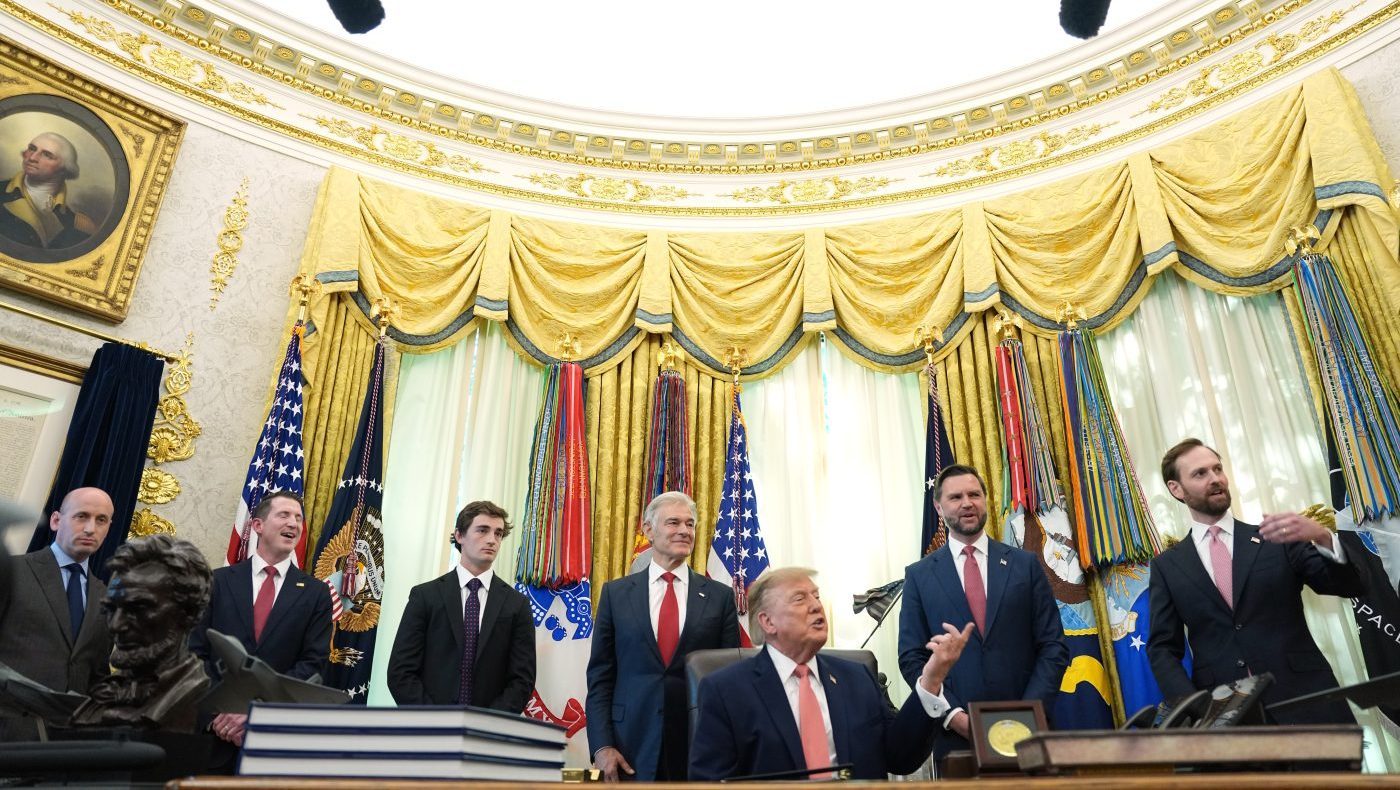
President Trump and Vice President Vance on Tuesday unveiled a $25 million whistleblower incentive program aimed at rooting out fraud in federal programs. The initiative, dubbed the Fraud Whistleblower Incentive Program, will pay individuals a 1 percent commission for tips that lead to successful convictions.
Speaking in the Oval Office, Trump framed the program as a way to reclaim stolen taxpayer money, claiming that fraud has cost the country trillions. "If anybody turns anybody in… you get a 1 percent commission, and I think that will be amazing, because the kind of money that's been stolen is trillions from this country," he said.
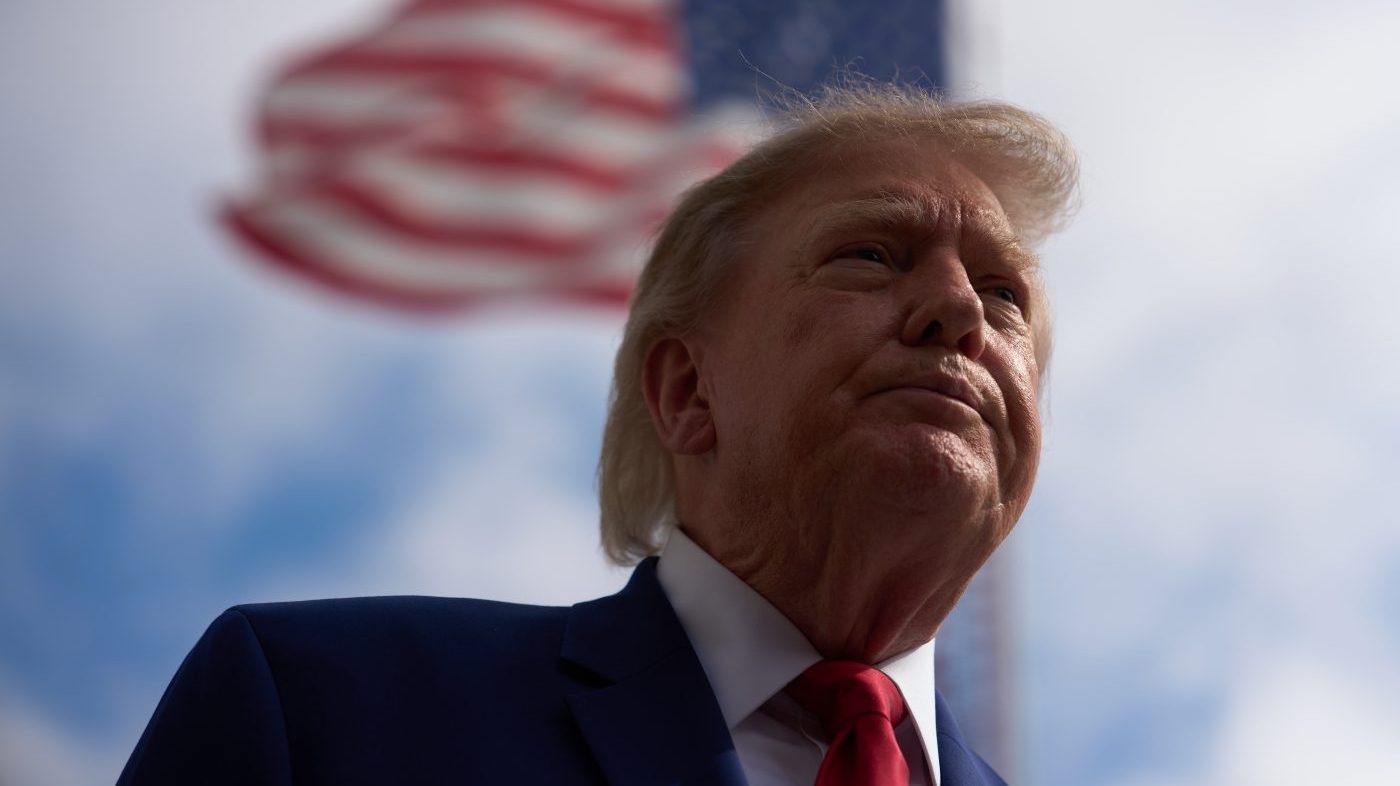
Under the program, tips can be submitted through the website fraud.gov. Trump said he will serve as the "binding" arbitrator in cases where multiple people claim the same award, a move he said would "expedite" the process. "In other words, I'll determine whether or not the person is deserving…and I will be very generous," he added.
The first payout went to conservative YouTuber Nick Shirley, who appeared alongside Trump and Vance in the Oval Office. Fox News reported that Shirley received $10,000. Shirley gained attention on the right last year after posting a video documenting his search for fraudulent childcare programs in Minnesota.
The program builds on the work of Vance's anti-fraud task force, which Trump established in March with Vance as chairman. The task force was created to investigate and reduce fraud in federal government programs. Vance praised the new incentive, saying, "The president has said it must stop. It is stopping, and if you want to help us stop it, you get to share in the rewards now, thanks to what the president of the United States has done."
The announcement comes amid a broader push by the administration to crack down on waste and abuse, but critics have raised concerns about the program's design, particularly the president's role as sole arbitrator. Some legal experts question whether such authority could lead to favoritism or inconsistent decisions. The program also raises questions about privacy and the potential for false tips.
Trump's decision to personally arbitrate disputes over awards is unusual. Typically, such decisions are handled by government agencies or independent boards. The president's pledge to be "very generous" could also create incentives for speculative or exaggerated claims.
Despite the concerns, the program has been welcomed by some conservatives who see it as a way to hold fraudsters accountable. Shirley's case, which involved alleged misuse of childcare funds, has been cited as an example of how ordinary citizens can uncover wrongdoing.
As the administration continues its anti-fraud efforts, the whistleblower program is likely to face scrutiny from Congress and watchdog groups. The midterm elections are approaching, and the initiative could become a talking point for both parties. Recent polls show that a majority of Americans doubt Trump will accept defeat if Republicans lose seats, adding to the political tension surrounding the administration's moves.
For now, the program is set to operate as described, with Trump serving as the final arbiter. Whether it will effectively deter fraud remains to be seen, but it has already generated significant attention and debate.