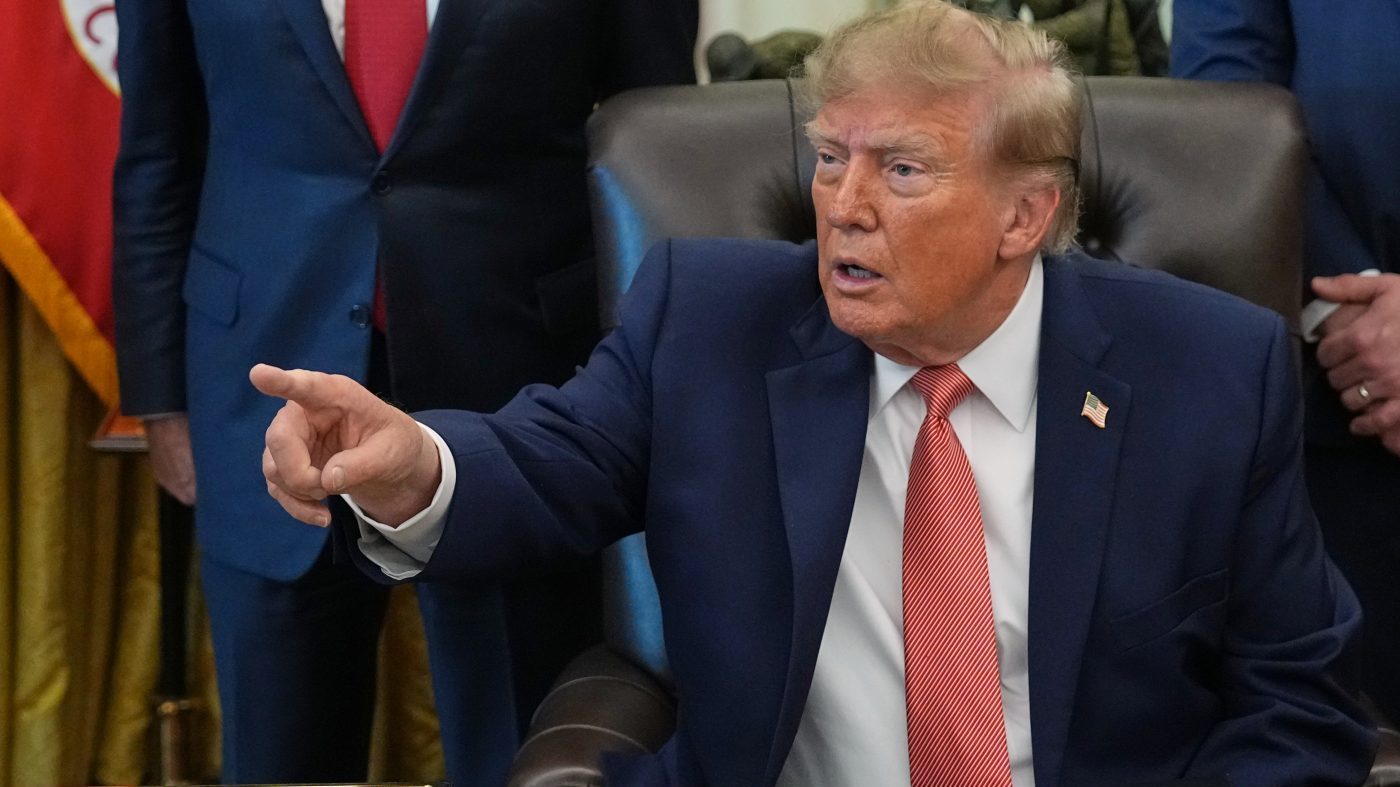
President Trump revealed Tuesday that he has directly appealed to Russian President Vladimir Putin to free Stephen Hubbard, an American citizen held in a Russian prison, and suggested a breakthrough could come within days.
“Remember that question for a couple of days from now,” Trump told reporters when pressed about reports that Washington was nearing an agreement for Hubbard’s release. He added, “I’ve been talking to President Putin about Mr. Hubbard. I’ve been talking to him at length. I’ve asked him to release him.”
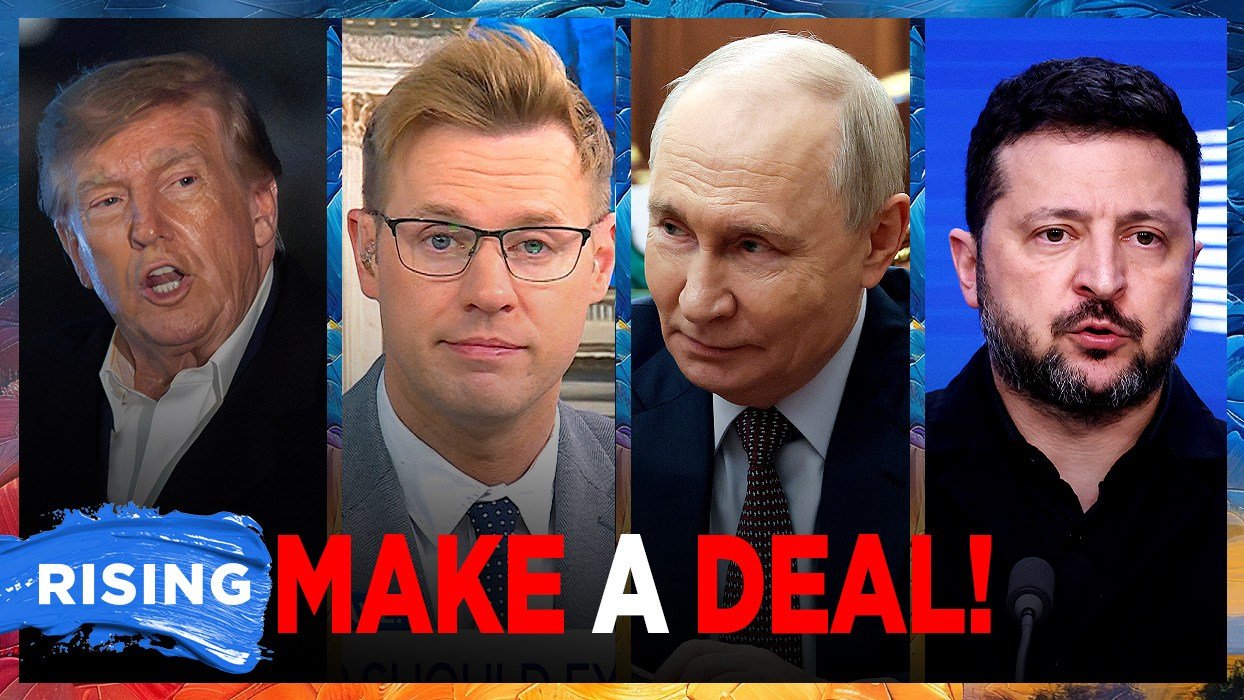
The comments came as Steve Witkoff, Trump’s top envoy for peace negotiations, is set to travel to Moscow this week to advance talks aimed at ending Russia’s war in Ukraine. ABC News reported that Witkoff and Jared Kushner, Trump’s son-in-law, are leading the push for Hubbard’s release alongside the broader ceasefire negotiations. Trump has made no secret of his desire to secure the release of Americans held abroad, frequently touting his administration’s efforts to bring home more than 100 unjustly detained citizens.
Hubbard, 74, was arrested by Russian forces in 2022 from his home in eastern Ukraine during the full-scale invasion. The State Department has designated him as “wrongfully detained,” a status that signals the U.S. government rejects the charges against him. According to The New York Times, Russian authorities accused Hubbard of manning a checkpoint and fighting for Ukraine. In October 2024, he was convicted of being a mercenary and sentenced to nearly seven years in a penal colony.
The administration has previously highlighted its commitment to Hubbard’s case. In August, after Russia released another American, Robert Gilman, the State Department reiterated its demand for Hubbard’s immediate return. “We are still seeking the immediate return of all other unjustly detained Americans, including wrongful detainee Stephen Hubbard. The President will not stop until all unjustly detained Americans are home,” a spokesperson said at the time.
Trump’s outreach to Putin, however, has drawn fierce criticism from Ukrainian President Volodymyr Zelensky, European allies, Democrats, and a growing number of Republicans in Congress. The president has extended concessions to Moscow, including offers to purchase diesel and waive sanctions required by federal law, arguing that such moves are necessary to keep Putin at the negotiating table. In a Truth Social post, Trump wrote, “Great progress is being made, that includes the current hostage negotiations!”
But the strategy has fueled concerns that Trump is softening his stance on Russia while pressuring Ukraine to settle. The president has placed blame on Zelensky for failing to reach a deal. “Ukraine has to want to settle this war, Zelensky has to want to settle this war, and if he doesn’t, I think it’s going to be a very bad thing,” Trump said.
The delicate diplomatic dance comes as the administration simultaneously pursues multiple high-stakes negotiations. Trump has also been pushing an ambitious domestic agenda, recently unveiling an $8 billion farm fuel aid package and launching a $25 million whistleblower incentive program with Vice President JD Vance. Meanwhile, some Republicans are breaking ranks on foreign policy, as seen when Steve Bannon split with Trump over the Netanyahu endorsement ahead of Israel’s election.
For now, all eyes are on Witkoff’s Moscow trip and whether Trump’s personal diplomacy can deliver Hubbard’s freedom. The president’s tease that a resolution could arrive “in a couple of days” has raised expectations, but the path remains fraught with geopolitical tensions and domestic political fallout.