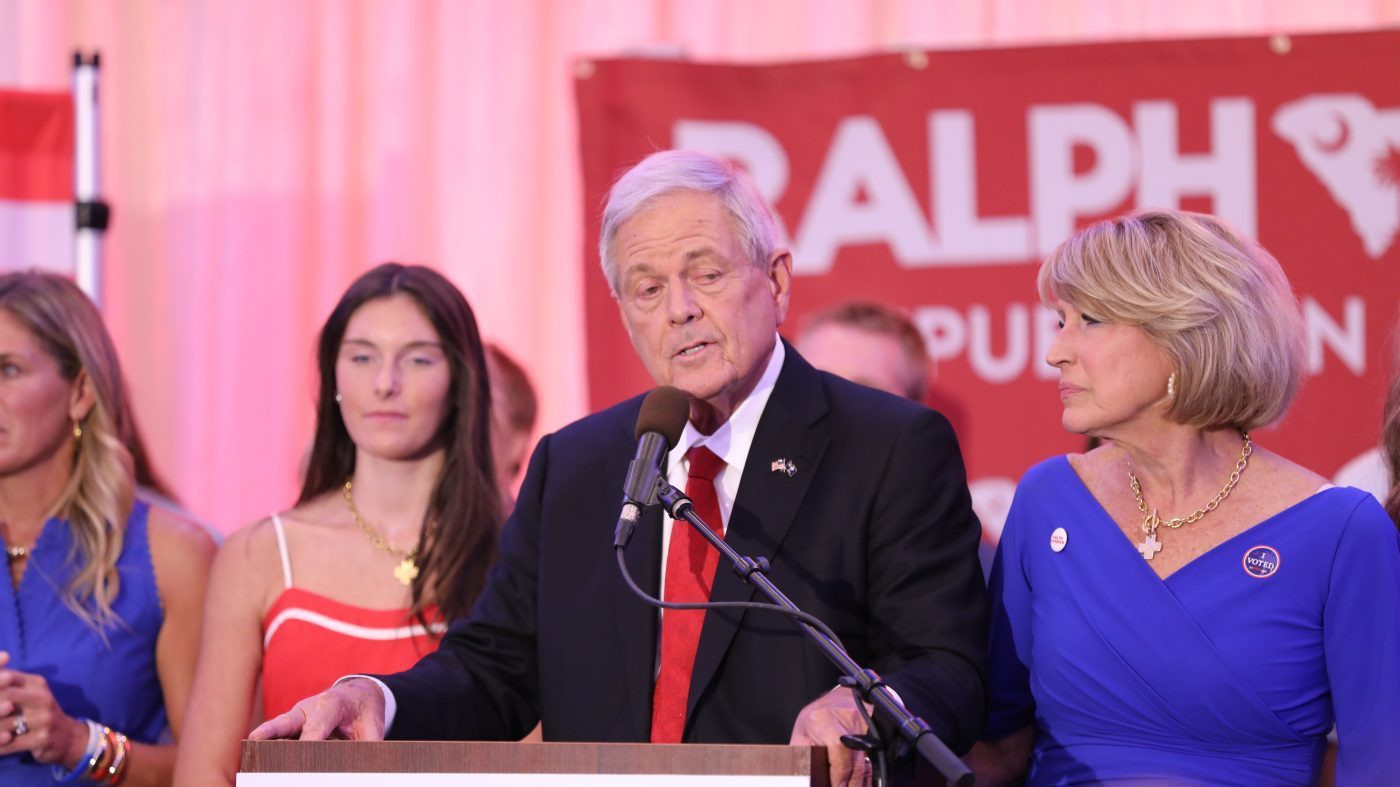
Rep. Ralph Norman (R-S.C.) conceded defeat in Tuesday's GOP Senate runoff, but the night took an awkward turn when his own supporters directed loud boos at President Trump, who had backed his opponent.
Norman, addressing a crowd in Rock Hill, acknowledged Trump's involvement in the race, saying, "The president got involved. He has that right; that's his prerogative." The remark was met with a chorus of boos, underscoring the lingering frustration among grassroots conservatives over the president's intervention in the contest.
The congressman, visibly composed, attempted to temper the reaction by praising Trump's agenda. "His policies are good," Norman said, but he added that he "never understood" why the president chose to wade into the primary. "But it is what it is, and I'll accept it," he continued. "I've always said, something good will come out of this. I don't know what it is, but something good will come out of it."
The runoff was triggered by the sudden death of Sen. Lindsey Graham last month. Darline Graham, the late senator's sister, emerged victorious and will fill the remainder of his term. Trump had encouraged her to run for a full six-year term after meeting with her at the White House, praising her as a "spectacular person" and "a true American Patriot." Her campaign launched shortly thereafter, and she secured the nomination against Norman.
Despite the heated atmosphere, Norman pledged his support for Graham in the general election. Standing alongside his family, he said, "We're going to be fine, but we did this for service, and I hate it for the state." He expressed regret over the outcome, saying, "I hate it for the state. I really hate it for the state. I don't hate it for me. I don't hate it for the family."
Norman's concession speech reflected a broader tension within the GOP, where Trump's endorsement power has been both a rallying cry and a source of division. The president's recent runoff victories in South Carolina and Oklahoma have reinforced his influence, but the boos in Rock Hill suggest that not all Republican voters are on board.
Darline Graham will now face Democrat Annie Andrews, a Charleston pediatrician, in November. The Cook Political Report rates the race as "solidly Republican," giving Graham a clear advantage in the deeply red state. Still, the primary's bitter undertones could linger, especially as some conservatives question the role of presidential intervention in local races.
For Norman, the loss marks the end of a hard-fought campaign, but he struck a conciliatory tone, urging unity. "South Carolina made their decision," he said, "and I accept it."