What was supposed to be a celebration of the First Amendment turned into a harrowing security breach when a gunman stormed the White House Correspondents' Association Dinner. President Trump, First Lady Melania Trump, Vice President JD Vance, Cabinet officials, and over 2,500 journalists were present as the attack unfolded. In the immediate aftermath, Trump struck a reflective tone, praising the room's unity. 'I saw a room that was just totally unified,' he said, acknowledging that the event briefly brought together both parties and the press.
A fragile truce
Given Trump's long history of labeling journalists 'fake news' and suing outlets like ABC News and CBS, the bar for unity was low. He even admitted he had planned to 'really rip it' in his speech but decided it would be inappropriate. Yet that restraint lasted less than 24 hours.
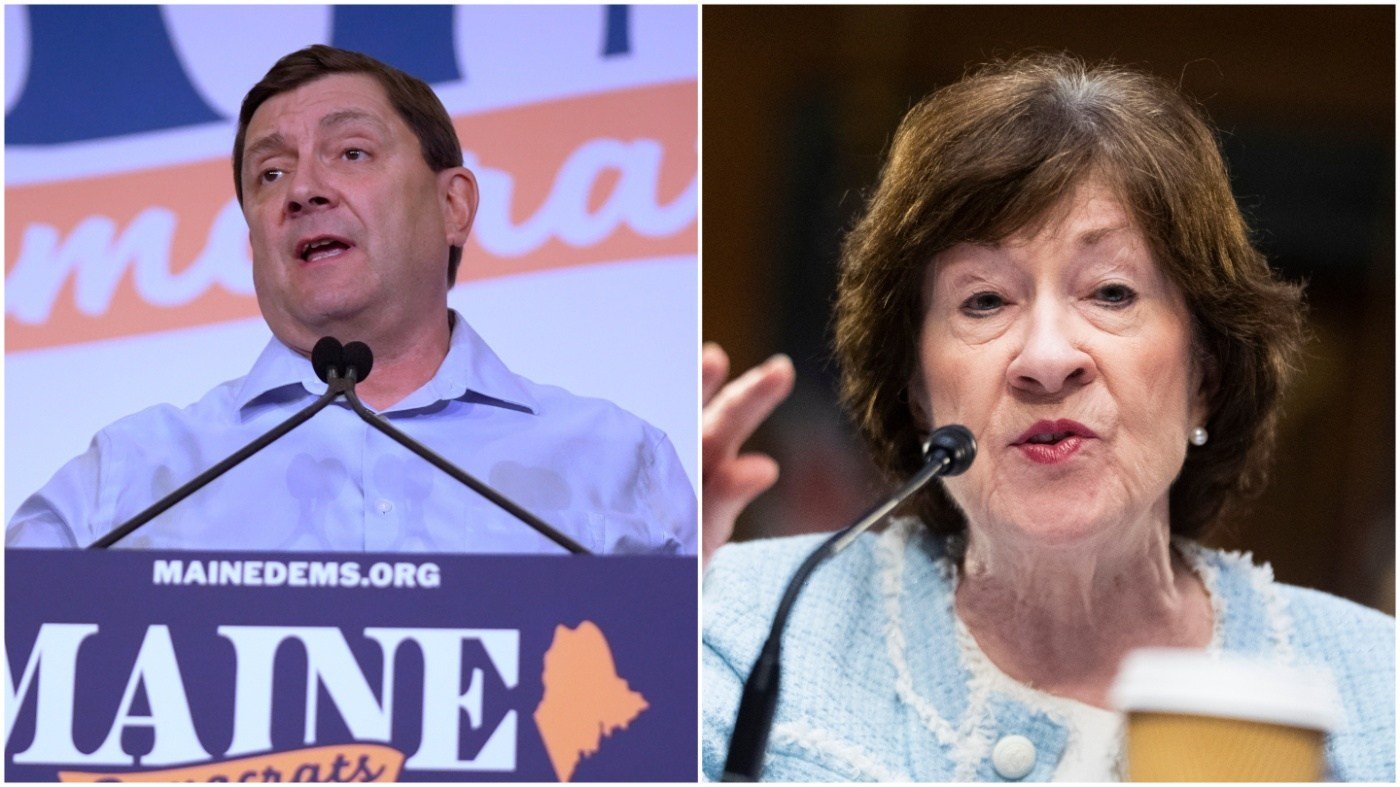
During a '60 Minutes' interview the next day with Norah O'Donnell, Trump quickly reverted to form. When she asked about the alleged shooter's manifesto, he accused her of reading words that 'are not my words' and called her 'a disgrace.' The exchange underscores the deep hostility between the president and the press. Notably, Paramount, which owns '60 Minutes,' paid Trump $16 million to settle a frivolous lawsuit over the show's coverage.
Normalized hostility
This pattern of crisis-driven unity followed by a return to attacks has become political theater. The shooting could have been a turning point, but instead it exposed how normalized political violence and press bashing have become. Trump's allies have even blasted former President Obama for downplaying the shooter's anti-Trump motive, further polarizing the response.
The real test of leadership is what happens next. If the president attends another correspondents' dinner, will his speech strike a tone of unity or return to confrontation? The answer may depend on whether the midterm elections amplify partisan divisions. As Democrats seize on the economic edge and the shooting to frame the midterm battle, the political calculus is shifting.
Unity or pause?
The brief moment of unity after the shooting was not a reset but a pause. As this column noted, if unity only exists in moments of fear and vanishes when the spotlight returns, it is not real unity. The administration's foreign policy reckoning and ongoing legal battles with the press suggest the underlying hostility remains entrenched.
The question now is whether the shooting will fundamentally alter the president's approach to the media—or whether it will be just another chapter in a long-running conflict that has become routine in American politics.