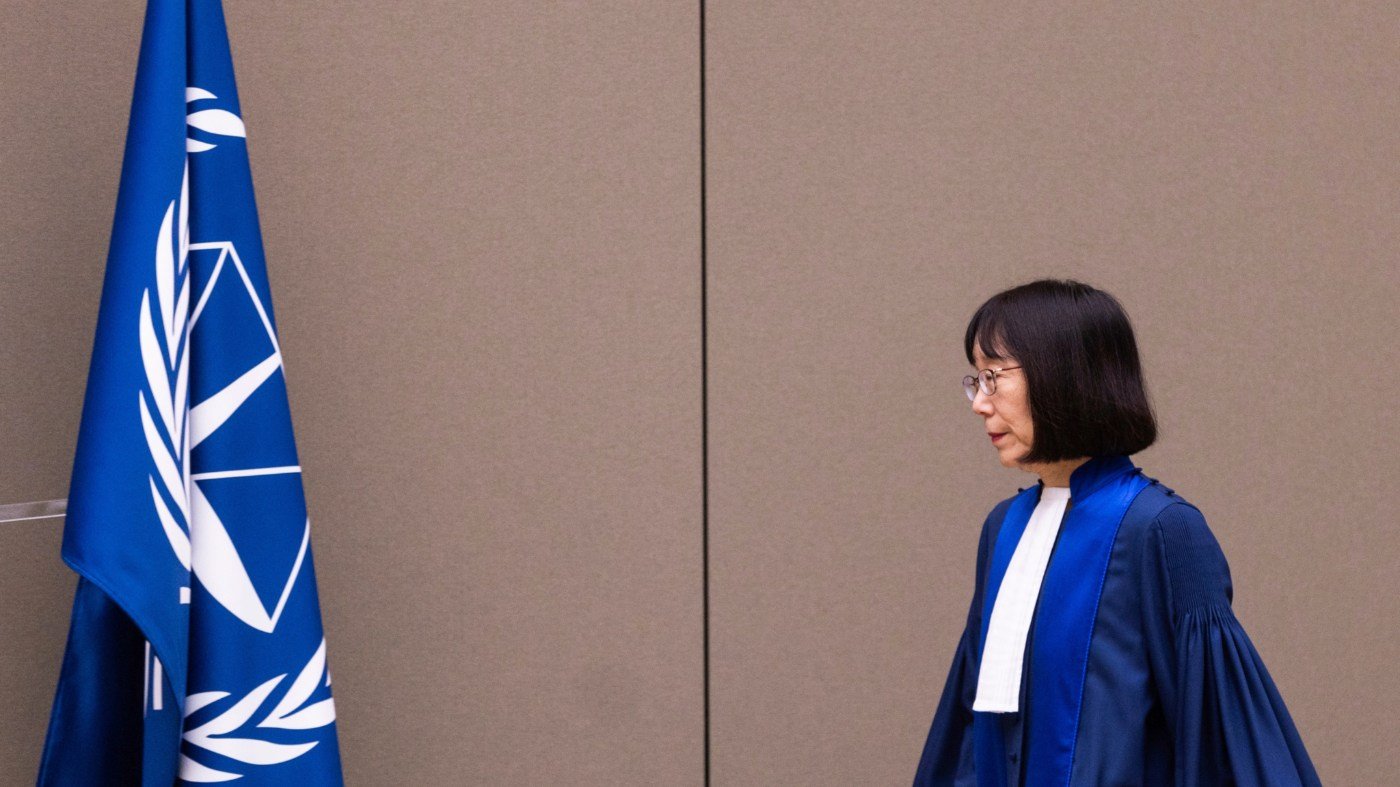
In Dubrovnik, Croatia, a workshop on war crimes prevention turned somber as news arrived that the Trump administration had imposed sweeping sanctions on the International Criminal Court (ICC). The timing was jarring—the same day Navi Pillay received the Nobel Peace Prize for her lifelong dedication to international law and accountability. The contrast could not have been starker: while the Nobel committee honored Pillay's achievements, Washington escalated its assault on an institution that has issued arrest warrants for alleged war crimes against both Israeli and Hamas leaders.
President Trump made the intent clear when he interrupted Secretary of State Marco Rubio's explanation, saying, "He is trying to defend [Benjamin Netanyahu] and various other people." This move is not merely symbolic; it is a calculated effort to shield allies from international scrutiny. The administration is also wary of accountability for its own actions, from the war on Iran to extrajudicial killings in the Caribbean and beyond.

The sanctions have immediate and severe consequences for the ICC's operations. The court relies on banks, payment systems, and technology providers; restrictions jeopardize staff payments, secure systems, and evidence preservation. Victims and witnesses are particularly vulnerable, as investigations depend on protecting sensitive testimony and ensuring survivors can participate without fear. French Judge Nicolas Guillou, sanctioned in 2025, described how his bank restricted payment services and European institutions struggled to reimburse his travel expenses. The chilling effect extends to digital services, with institutions avoiding transactions even when legally permitted.
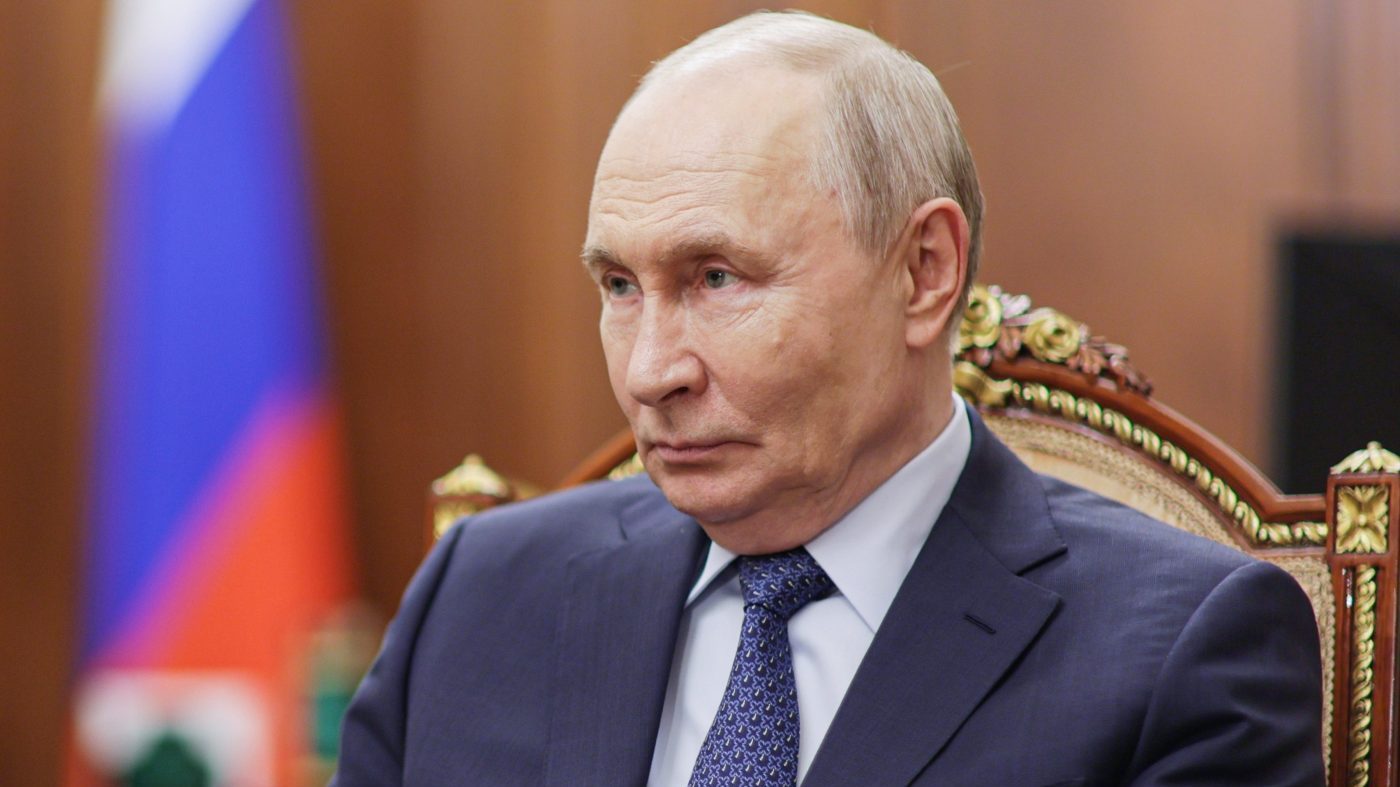
The ICC has no police force; it depends on member states to execute arrest warrants, including those for Netanyahu and Vladimir Putin. Sanctions do not invalidate these warrants but compound obstacles to enforcement. The U.S. is not simply declining to uphold international law—it is imposing costs on others for attempting to do so.
On the same day, Trump announced a new arrangement for Russia to supply diesel to international markets, including the U.S., ostensibly to relieve energy prices aggravated by the war with Iran. This move could generate revenue for Putin's war in Ukraine, sending a clear message: the U.S. is willing to work with alleged international war criminals even as it targets those seeking to hold them accountable. This decision, coupled with other controversial Ukraine policies, has sparked fury among allies.
These choices erode U.S. leverage and credibility. Freedom from constraints does not necessarily mean greater influence; weakening institutions does not end crises. The administration is not simply failing to extinguish crises—its responses are spreading their consequences across regions, economies, and institutions.
To counter this recklessness, other nations can and should respond strongly. The European Parliament has awarded its 2026 Freedom of Thought prize to the ICC and its officials, a good gesture that should be backed by concrete action. Judge Guillou has called on the EU to invoke its blocking statute, designed to protect European operators from foreign sanctions' extraterritorial effects. The European Commission has considered this option, and France has indicated readiness, but commitments need implementation.
In the U.S., Congress should unequivocally condemn and reverse the sanctions, including previous designations against ICC judges and prosecutors. They must scrutinize the administration's use of financial and security leverage to pressure governments fulfilling their international legal obligations. When the U.S. acts as an international bully and enforcer on behalf of leaders like Netanyahu and Putin, it has a massive chilling effect on hopes for international peace and justice.
Dubrovnik's Old Town, once besieged and bombarded during the 1991-1992 war, now thrives. International tribunals prosecuted those responsible for war crimes there, demonstrating the real purpose of institutions now under attack. We have made progress in building mechanisms to prevent atrocities and pursue justice, but that progress is neither inevitable nor irreversible. A world in which the most powerful nations flout international law is a dangerous one.