The dramatic January 3rd military operation that captured and removed Venezuelan strongman Nicolás Maduro was a tactical triumph. Yet, from a political standpoint, the Trump administration's approach was fundamentally flawed from the outset. Removing Maduro merely swapped the regime's public face; the underlying Chavista machinery remained intact and, with Washington's tacit approval, Maduro's former deputies have only tightened their grip on power.
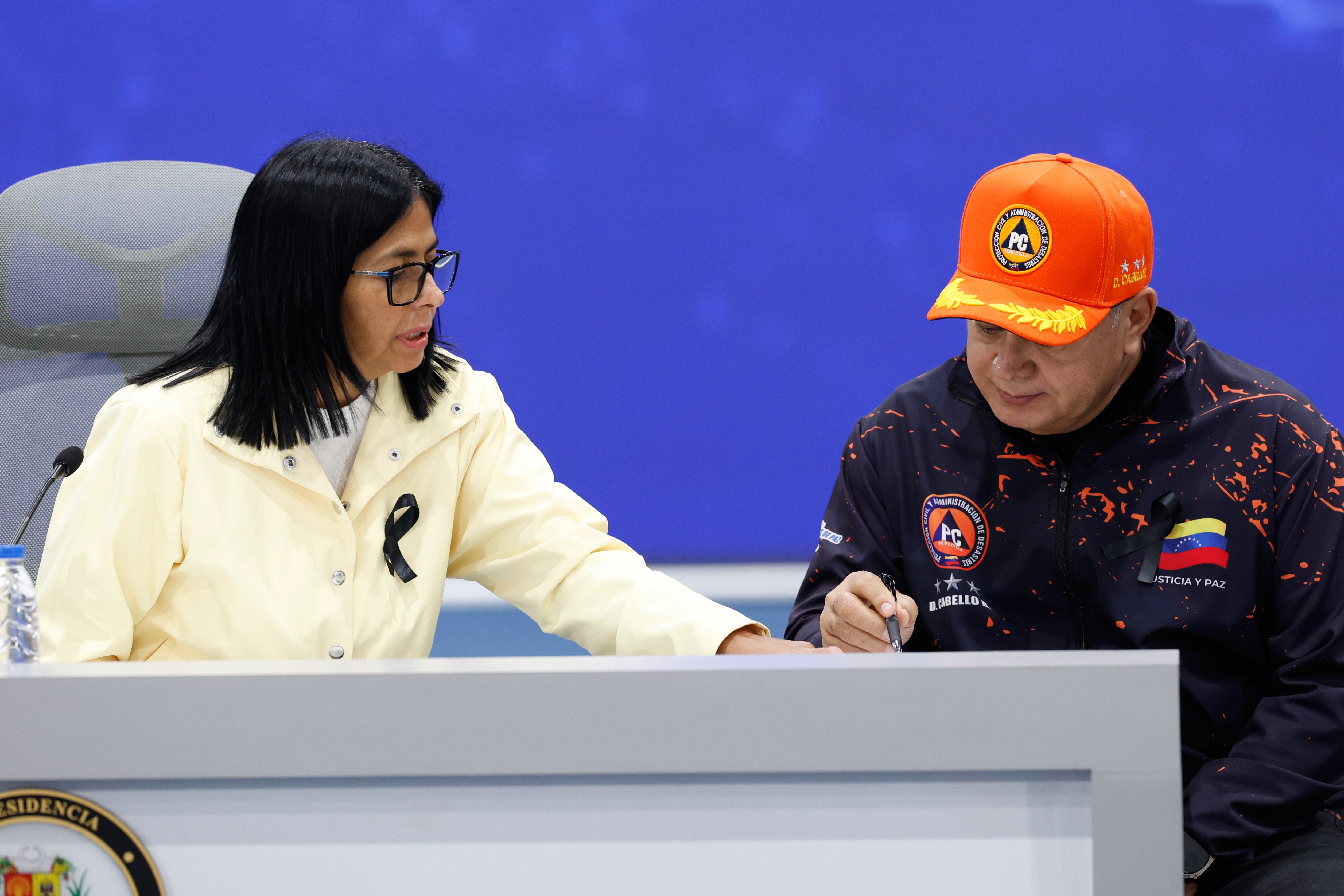
President Trump has been effusive in his praise for Maduro's successor, Delcy Rodríguez, calling her a "terrific person" and lifting sanctions while blocking federal investigations into her. He has even described Venezuela under her rule as "a happy country," a claim sharply contradicted by Venezuelan polling. By ousting Maduro, Trump inadvertently did a massive favor for Rodríguez and her brother Jorge, who heads the puppet National Assembly. Genuine regime change is now unlikely unless the U.S. and Venezuela's opposition act decisively, starting with allowing opposition leader María Corina Machado to return home and engage in politics without fear.
The regime's botched response to the severe earthquakes in June has stoked public anger, with reports showing government-built structures fared worst despite known vulnerabilities. Power outages have since reached levels not seen since the catastrophic 2019 grid failure. Despite touted "reforms" to attract foreign energy investment, meaningful reconstruction remains doubtful.
Nowhere is the failure more evident than in the oil sector, which the White House has pitched as ripe for American investment. Major U.S. oil companies, still scarred by past nationalizations, remain wary. They recognize the enormous capital required and demand a genuine rule-of-law environment—nowhere on the horizon. Venezuela's decrepit infrastructure presents a chicken-and-egg problem: ports are inadequate for export demand, especially heightened by the Iran war, while small and mid-sized U.S. drillers report that dealing with the state oil monopoly remains nearly impossible, and deals often collapse under pressure from powerful Venezuelan interests.
Control over oil revenues is the crux. Little is known about the offshore U.S. account that initially receives these funds or what happens after transfer to Venezuela's central bank. The estimated $13 billion accumulated so far appears to have had minimal domestic impact. It's unclear whether Washington is withholding disbursements or if the money simply vanishes once in Caracas. What is clear is that the central bank remains under Chavista control, almost certainly ensuring funds are used to reinforce regime power, rewarding loyalists and freezing out opponents.
Despite these problems, the Rodríguez siblings have entrenched themselves while posing as compliant with Washington's directives. Secretary of State Marco Rubio claims he is pushing for elections, but tangible progress is scant. Observers from the U.S. Council on Foreign Relations and Britain's Chatham House have deemed democratization efforts inadequate. Rubio's gravest error has been sidelining Machado, excluding her from election negotiations—effectively helping Rodríguez divide the opposition. Even Machado's symbolic gift of her Nobel Peace Prize medallion to Trump has failed to sway him.
The most glaring sign that the regime is gaming U.S. efforts is that Interior Minister Diosdado Cabello remains in power, with his notorious "colectivos" motorcycle gangs still active. Any serious democratization plan requires Cabello's removal and the dissolution of these gangs. Another imperative is expelling all remaining Cuban intelligence and security agents. Trump's halt of Venezuelan oil exports to Cuba prompted some agents to leave, but the number remaining is unclear, as Cubans operate covertly.
Washington must demand full transparency from the Rodríguez regime and high-confidence intelligence assessments when the Cubans are truly gone. A key pressure point exists: Rubio should tell Cuba's rulers that full disclosure is required, or their eventual overthrow will be harsher and sooner. But the real centerpiece is Machado's return. If the White House truly controls the country, it can guarantee her safety and that of other opposition figures, including political prisoners. Rodríguez should be told she will be held personally responsible for any harm to Machado. Political liberty and economic recovery in Venezuela will come through sustained pressure, not the benevolence of the Chavista regime.