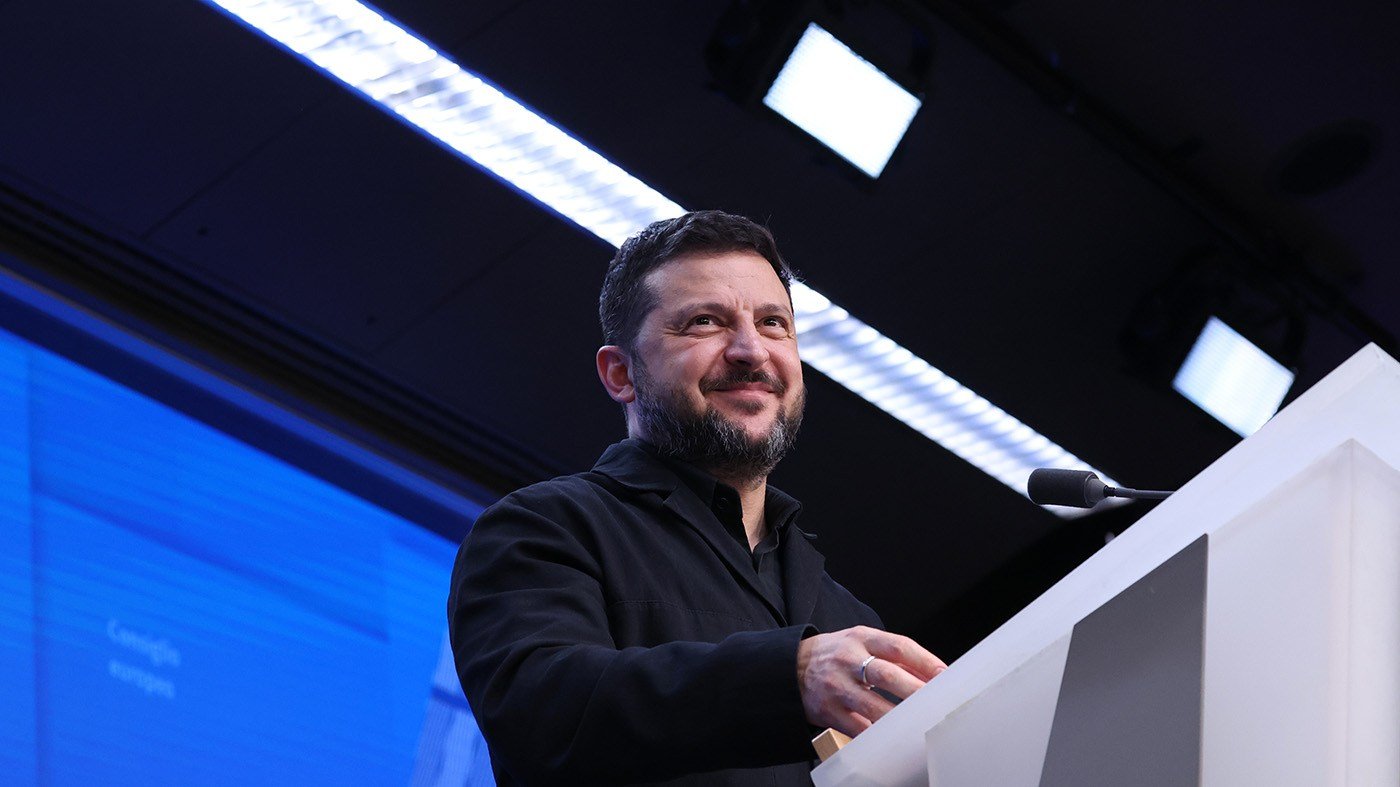
Ukrainian President Volodymyr Zelensky is wagering that a high-profile public pressure campaign, coordinated with sympathetic lawmakers in Washington, can compel President Trump to abandon recent concessions to Moscow. The gamble comes amid escalating Russian strikes and critical shortages in Ukraine's air defenses.
Zelensky has directly criticized Trump for proposing to purchase Russian diesel and for waiving sanctions designed to choke off revenue for Russia's war effort. Trump, in turn, has intensified attacks on the Ukrainian leader, repeating demands for elections, labeling Zelensky as the primary obstacle to peace, and dismissing the severity of Russian assaults.
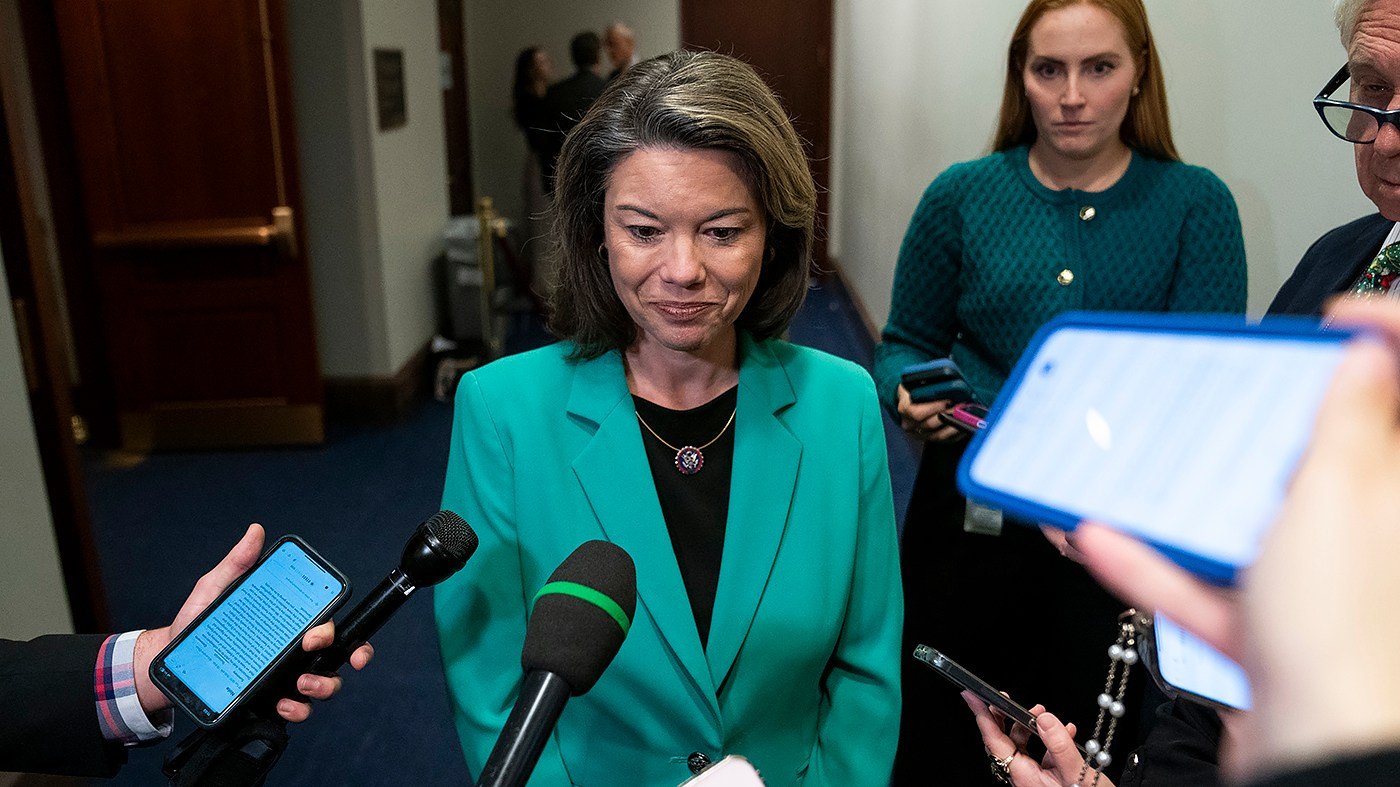
Even some of Zelensky's strongest supporters in Congress question the strategy. Rep. Michael McCaul (R-Texas), in a text message to The Hill, said Zelensky has been warned that confronting Trump directly "will not end well." McCaul noted that during a Zoom call with lawmakers on Monday, Zelensky avoided any negative remarks about Trump, a shift from his earlier characterization of the president as "weak."
Zelensky has also raised concerns about restrictions on Ukraine's use of Starlink and Starshield satellite services, operated by Elon Musk, a close Trump ally. Trump has denied any involvement, but Zelensky told NBC's "Meet the Press" that the message to limit access "came from [the U.S.] government," without specifying who.
McCaul is among a handful of Republicans urging Trump to rescind the waiver suspending sanctions under the Lindsey Graham Russia Sanctions Act. However, he has not joined Reps. Brian Fitzpatrick (R-Penn.) and Don Bacon (R-Neb.), who have vowed to block Trump's agenda unless he changes course on Ukraine. "I'm trying to be more constructive," McCaul said.
John Herbst, former U.S. ambassador to Ukraine, told The Hill that while the number of Republican defections is growing, it remains "not enough" to force a policy shift. He noted that Trump has repeatedly returned to pro-Russia positions, such as suggesting Ukraine cede territory or release frozen Russian assets, despite abandoning a 28-point peace plan last year after backlash.
Rep. Mike Turner (R-Ohio) is treading carefully, calling for an investigation into the satellite restrictions but stopping short of endorsing hardline tactics. "I don't think there's any brinksmanship that needs to have to occur on this," he said on CBS's "Face the Nation." Sen. Kevin Cramer (R-N.D.), who visited Kyiv last week, predicted the sanctions waiver would be a "short term pause" and backed a proposal by Sen. Roger Wicker (R-Miss.) for the U.S. to share targeting information on Russian launch sites in exchange for Ukraine halting attacks on Russian energy infrastructure.
Zelensky on Monday detailed a "horrific" strike on Kharkiv that killed a one-year-old girl and an 11-year-old child. Over the past week, Russia launched nearly 2,700 drones, 1,700 guided bombs, and 66 missiles, according to Denys Sienik, Ukraine's charge d'affaires in Washington. Sienik stressed that Ukraine's actions are defensive, not confrontational, and that "meaningful and sustained pressure on Russia remains essential."
Meanwhile, Ukraine continues its own strikes inside Russia, including a major attack on oil refineries in St. Petersburg over the weekend, despite Trump's urging to stand down. The situation remains fluid as Zelensky's bet on public pressure collides with Trump's insistence on a negotiated settlement. For more on the broader dynamics, see Trump's openness to a trilateral summit and Zelensky's doubts on intelligence sharing.