The attempted assassination at the White House Correspondents' Association dinner has set the Justice Department on a dual track: detaining the alleged gunman and constructing a ballroom at the White House. Cole Tomas Allen, accused of opening fire during the annual black-tie gala, already faces three federal counts, including attempting to kill President Trump. Top officials have signaled more charges are imminent.
Allen made his initial court appearance Monday, where prosecutors revealed he checked into the Washington Hilton the day before the dinner. He was armed with a 12-gauge pump-action shotgun, a .38-caliber semiautomatic pistol, three knives, and other dangerous items. According to a manifesto confirmed by administration officials, Allen allegedly targeted White House officials "prioritized from highest-ranking to lowest," referring to himself as a "Friendly Federal Assassin."
Newly unsealed court documents show Allen fired a shotgun, though it remains unclear if his bullet struck a Secret Service officer in a ballistic vest. The attack sent attendees diving under tables as top officials were rushed to secure locations. Allen is due back in court Thursday for a detention hearing. Prosecutor Jocelyn Ballantine, who handled the Proud Boys sedition case, cited a presumption of detention.
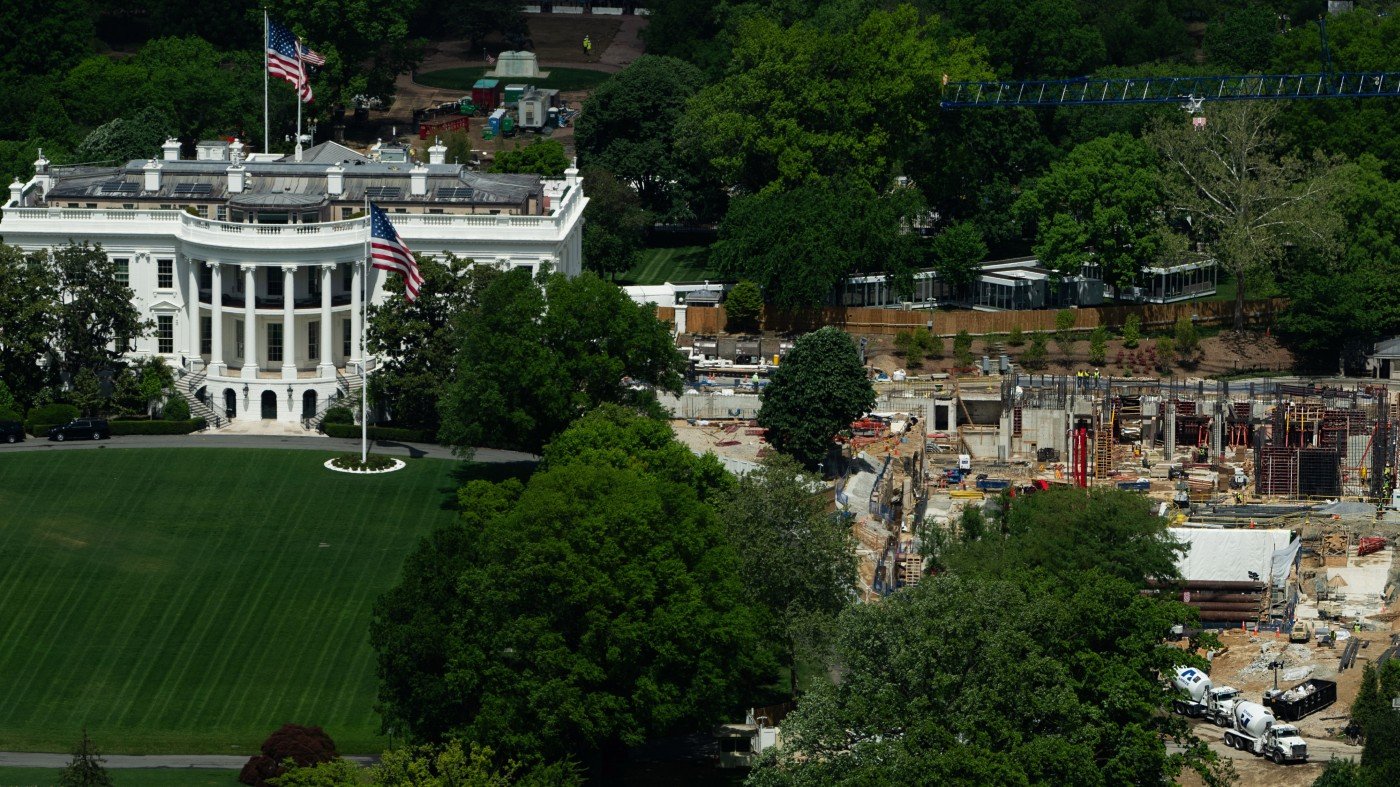
Public defender Tezira Abe argued for Allen's release, pointing to his lack of prior record and the presumption of innocence. The case has also fueled the Trump administration's push for a White House ballroom, though the dinner is organized by the White House Correspondents Association, not the White House itself. The event primarily funds scholarships and journalism awards.
The administration's ballroom plan faces a legal challenge from the National Trust for Historic Preservation. The Justice Department first asked the Trust to drop its lawsuit, but the group refused. "That lawsuit seeks to require the President to secure authorization from Congress before undertaking further construction," wrote Trust lawyer Gregory Craig, declining the DOJ's invitation to dismiss.
Now the administration is lobbying the judge, attacking the Trust in court filings. "They are very bad for our Country," the DOJ wrote, arguing the ballroom is vital to national security. The filing, signed by No. 3 DOJ official Stanley Woodward, accused the Trust of "Trump Derangement Syndrome" and called their lawsuit "dangerous." Woodward previously represented January 6 defendants, including Oath Keepers deputy Kelly Meggs.
The red-hot motion has drawn criticism from the president's opponents, who say its language is inappropriate for a government submission. The administration has tied the ballroom to security concerns following the attack, but the Trust maintains Congress must authorize any construction on White House grounds.
Related coverage: The Washington Hilton attack has bolstered the case for a $400 million White House ballroom, though GOP senators have balked at the cost. Meanwhile, the political fallout continues as figures like Jimmy Kimmel have escalated feuds with Trump over the violence.