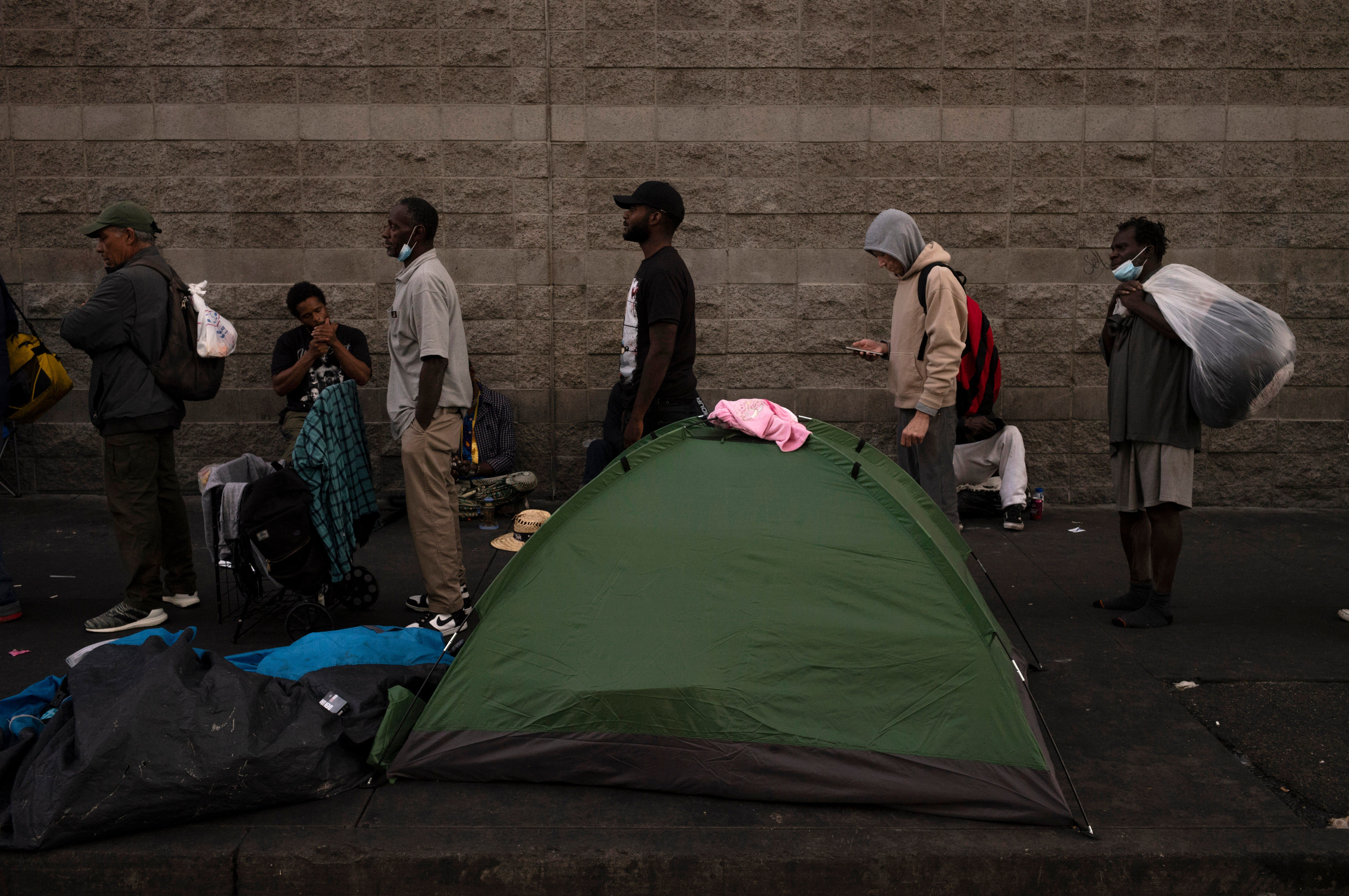
A California Post investigation this month revealed hundreds of mail ballots sitting in an open hallway at the Midnight Mission, a Skid Row shelter where 1,160 voters are registered. The shelter insists its policy is "locked doors," but a hallway lacks doors. The incident has become a flashpoint in the ongoing debate over election integrity, with critics pointing to it as evidence of systemic vulnerabilities.
California can end this argument without proving that anyone cheated. The state must lock down ballots, verify voter rolls, and publish the results of both. The asset at risk is confidence. A University of California-San Diego survey of 11,400 eligible voters found that only 60 percent expect votes to be counted accurately nationwide in the midterms, down from 77 percent right after the 2024 election. This loss of confidence is bipartisan, affecting Republicans, Democrats, and independents alike. Even some of my liberal friends who previously held it as an article of faith that questioning election results is blasphemy are now asking, "Who checks the checkers?"
Skid Row's checkered history
Skid Row has a record of election fraud. In 2018, Los Angeles prosecutors charged nine people in a scheme that offered homeless residents $1 or a cigarette to forge petition and registration signatures. In 2020, four people pleaded no contest and received probation or suspended sentences. In May, federal prosecutors charged a Marina del Rey petition circulator with paying someone to register to vote, and she agreed to plead guilty. Prosecutors say she gave homeless registrants her former address, which would have sent their ballots to a home where they had never lived. Who would cast them? How many people get away with such schemes without being indicted?
In September, a federal grand jury indicted a Victorville man and two others, alleging they used stolen voter identities to fill initiative petitions on Skid Row. The Victorville defendants are presumed innocent. In June, the FBI confirmed "investigative activity" there after videos circulated in which residents described being paid to register to vote or sign ballot petitions. Those videos remain unverified.
This year's mayor's race and Proposition 50
This year's mayor's race had more plot twists than Breaking Bad. On election night, Spencer Pratt, a former reality TV personality, led Councilmember Nithya Raman by more than 40,000 votes. But as mail ballots were collected, they reversed the count. Raman advanced to a runoff with Mayor Karen Bass, 29 percent to Pratt's 26 percent. The county certified the results on June 26, 24 days after the election had taken place. Add Proposition 50, the extreme gerrymander that voters approved in November 2025 with 64 percent to turn five Republican-held districts over to Democrats, and one-party control hands the skeptics plenty of material.
The Midnight Mission incident
A fair reading of the Midnight Mission report is limited. Nobody has shown those ballots were stolen or altered. Los Angeles' top federal prosecutor, Bill Essayli, confirmed an investigation into Skid Row ballots but declined to say whether it covers the mission. Shelters can be lawful registration addresses, and a county spokesman cautioned that registration records do not show who lives where. The mission says it has 296 beds, with about 125 more people sleeping in its dining room or courtyard. Those points answer fraud accusations but leave the hallway unexplained.
Marcus Aurelius wrote, "If it is not true, do not say it." The rule binds activists who shout fraud without evidence, but also officials who insist everything is fine. The dispute is now in federal court. The Justice Department asked a judge to make California set aside the ballots of about 20,000 registrants it calls likely noncitizens until their citizenship is verified. California disputes the list, and Judge Gabriel Sanchez pressed the department's lawyers on how it was compiled. Prosecutors also announced election-crime charges against 28 alleged noncitizens. A Los Angeles County assistant registrar told the court the office has no independent way to verify citizenship beyond what voters attest, and Gov. Gavin Newsom's (D) office replied that California follows federal law. On Monday, a divided Ninth Circuit panel rejected the emergency request, two-to-one, ruling only on procedure. At argument, dissenting Judge Patrick Bumatay said that without an injunction "you will never know."
Sanctuary state posture
California takes pride in being a sanctuary state for illegal immigrants. Its sanctuary law, which the Ninth Circuit upheld in 2019, limits state and local help with federal immigration enforcement. In my view, that posture makes Sacramento slow to welcome federal help verifying citizenship, even though the state already uses the federal SAVE program for some benefits, including Medi-Cal. This reluctance only fuels the perception that the state is hiding something.
Three fixes without assuming fraud
Three fixes require nobody to assume anyone cheated. California can check voter rolls against SAVE or an equivalent citizenship database before ballots go out. It can set written custody rules for organizations that receive ballots for residents, with locked storage, signed logs, and spot audits. Third, it can publish registration counts by facility address and audit the outliers, starting with the Midnight Mission. Ballots deserve at least the security of the snack shack key at a Little League field.
Louis Brandeis, years before joining the Supreme Court, offered the remedy: "Sunlight is said to be the best of disinfectants." With Election Day less than a week away, Ronald Reagan's old advice still fits: "Trust, but verify." The path forward is not to ignore the incident or to scream fraud, but to implement transparent, verifiable processes that restore faith in the system. As the Justice Department pressures California over voter rolls, and as critics slam the state's mail ballot system, these reforms are more urgent than ever.