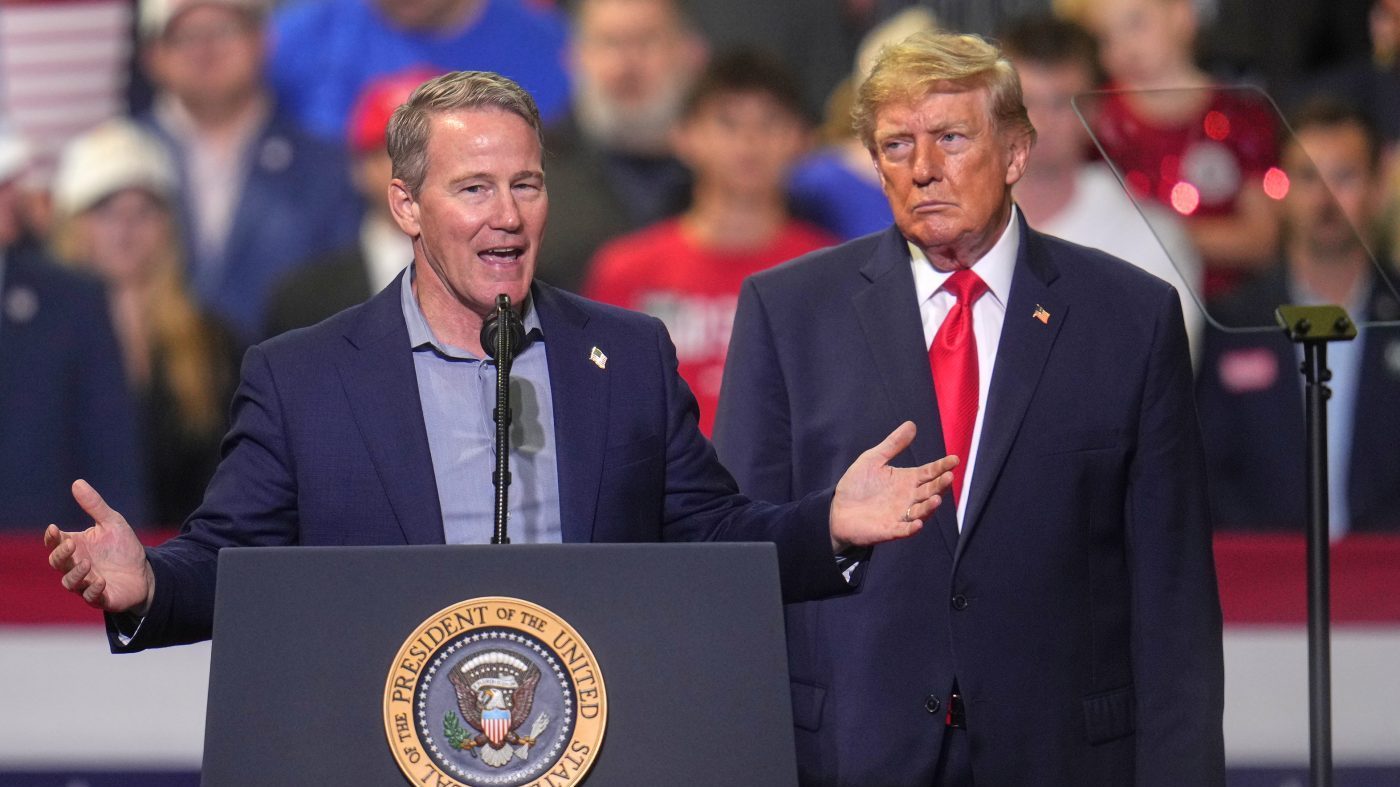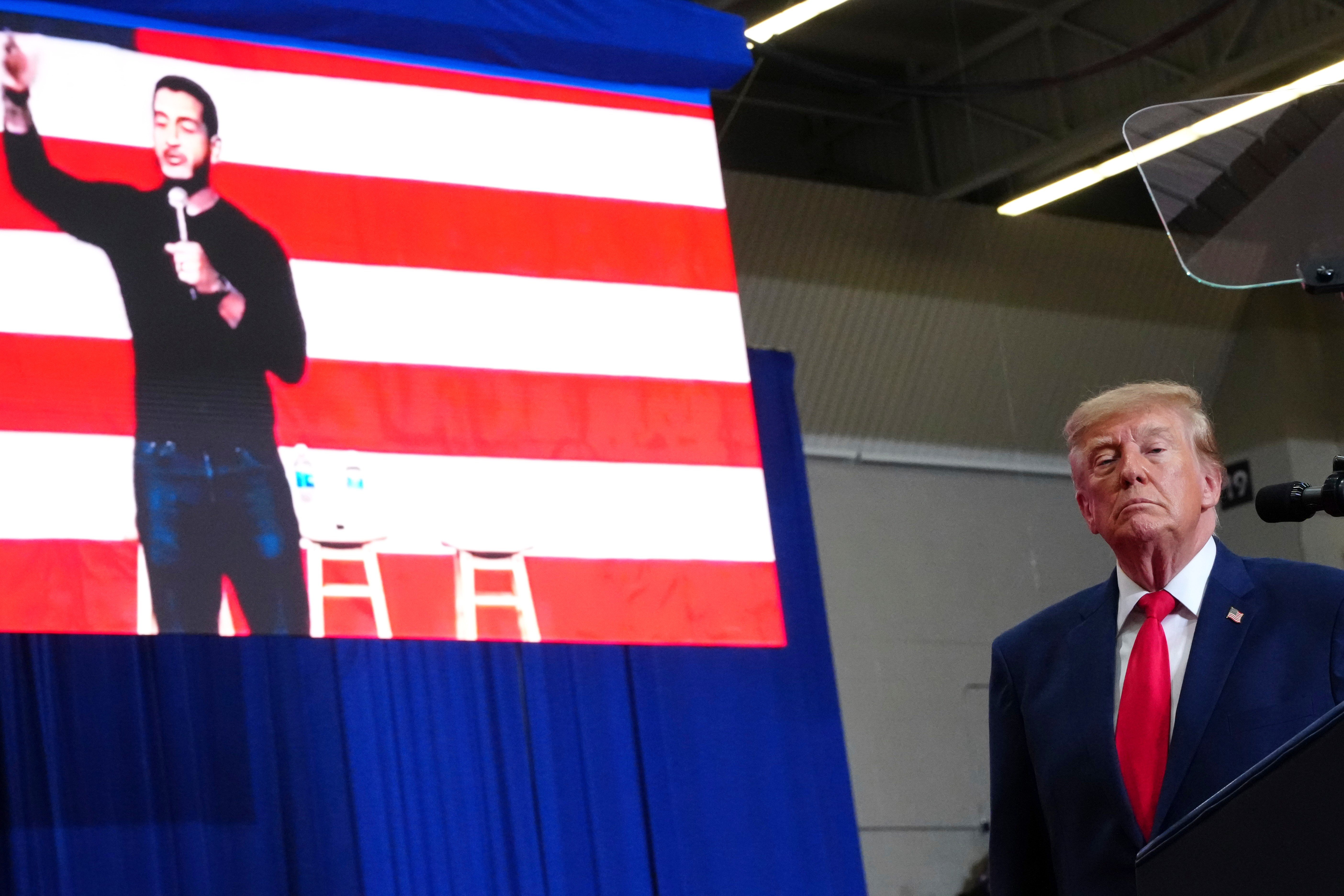
The midterm campaign's final stretch has descended into a gutter of anti-Arab and anti-Islamic invective from Republican officials, a spectacle that has accelerated a historic political realignment. Arab-American voters, once a key piece of the GOP's coalition, are now fleeing the party at a pace that could reshape battleground states.
The trigger is unmistakable: a wave of attacks from former President Donald Trump and his allies, aimed squarely at Michigan's Democratic Senate nominee, Abdul El-Sayed. Trump has labeled El-Sayed a "jihadist" and a "terrorist," suggested he undergo a metal detector before entering the Senate, and mockingly referred to him as "Mohammed." The vitriol has become so extreme that Bishara Bahbah, who co-led Trump's 2024 Michigan outreach, publicly condemned the remarks, telling the Associated Press, "Any attack based on a person's religion is not acceptable. Abdul El-Sayed was born and raised in the United States. He's as American as they come."
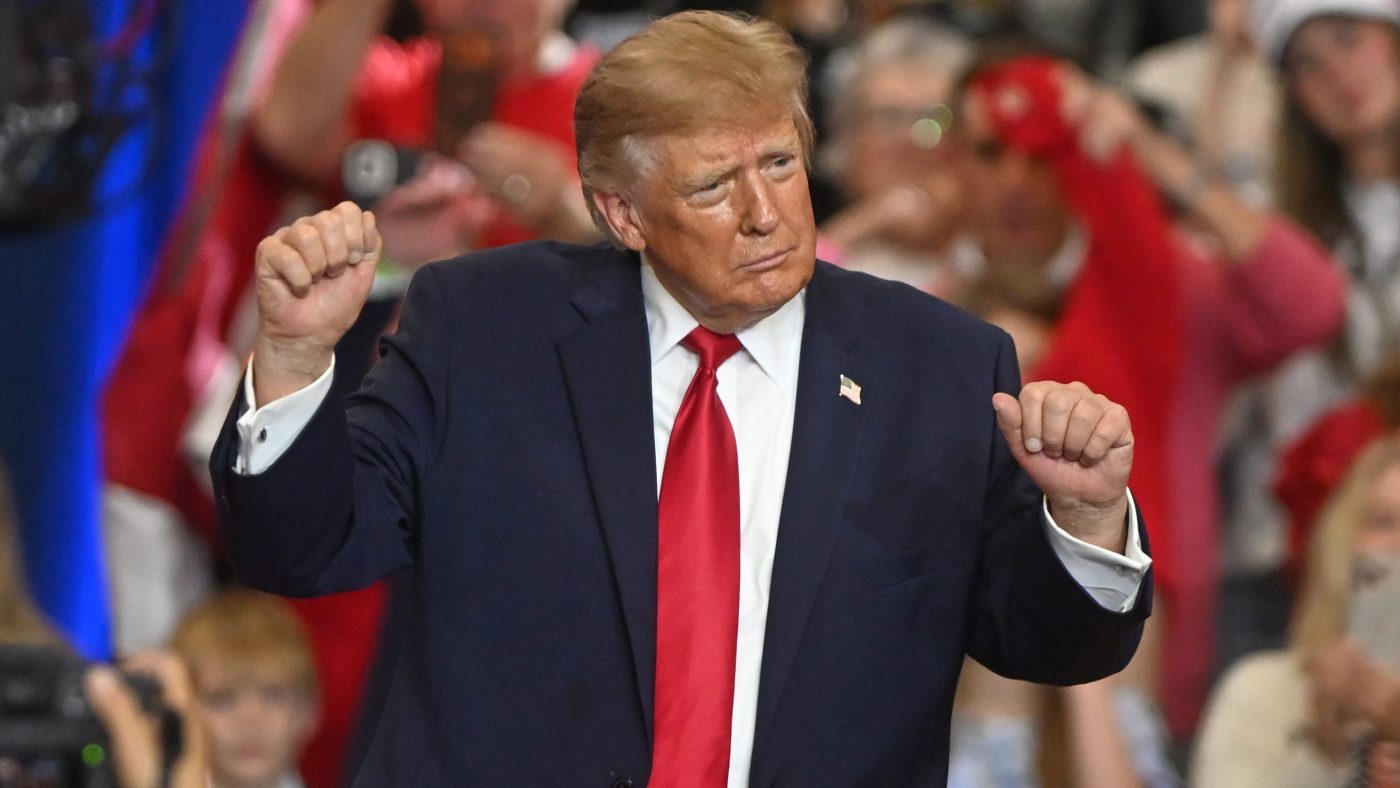
This hostility is not confined to the presidential level. In Alabama, Senator Tommy Tuberville has branded Muslims as "the enemy inside the gates," while Texas Governor Greg Abbott has ramped up attacks on a planned Islamic community center in Plano, claiming it would bring "sharia courts" to the state. These incidents underscore a broader pattern of Republicans treating Arab Americans as perpetual outsiders.
The result is a measurable exodus. A new Washington Post-Schar School poll shows that Arab-American support for Democratic congressional candidates has jumped from roughly 50% in 2024 to nearly 60% today. A quarter of Arab Americans who voted for Trump in 2024 now say they will switch to Democrats this year, and 60% say Trump is unfriendly to their community.
In Michigan, home to over 200,000 registered Arab-American voters, this shift is pivotal. Republican Senate candidate Mike Rogers is trailing El-Sayed by up to six points, a deficit that could be erased if Rogers had not embraced the GOP's anti-Arab line. Instead, he and his allies have chosen to lob insults at a community that was once open to their message.
Health and Human Services Secretary Robert F. Kennedy Jr. has added to the fire with absurd claims that "there's 500 million Arabs in the world, and yet they don't produce science, they don't win the Nobel Prize … they don't produce literature." Such statements ignore the reality that Arab scientists and writers have won Nobel Prizes, including Jordanian chemist Omar Yaghi, who took home the chemistry prize last year, and Syrian poet Adonis, a perennial contender for literature.
The GOP's strategy is a self-inflicted wound. As Democrats lead by eight points in the final pre-midterm Marist poll, the party is poised to capitalize on Republican overreach. For the 3.7 million Arab Americans seeking a political home, the Democratic Party is extending a welcome mat—one that the GOP has kicked away.
This realignment is not just about one election. It reflects a fundamental rejection of a party that has made anti-Arab sentiment a cornerstone of its identity. As the Crystal Ball shifts 16 House races toward Democrats, the GOP's losses may be compounded by its failure to retain a constituency it once courted.
The lesson is clear: when you treat voters as enemies, they will respond in kind. Arab Americans are doing just that, and the GOP is left to wonder why its coalition is crumbling.