Ceasefire Faces Immediate Tests
A two-week ceasefire between the United States and Iran, established just one day prior, showed significant signs of strain on Wednesday. The agreement, intended to pause hostilities and create space for negotiations, was immediately challenged by a major Israeli military operation in Lebanon and by Iranian state media claims that Tehran had shut down the Strait of Hormuz in retaliation.
Dispute Over Strategic Waterway
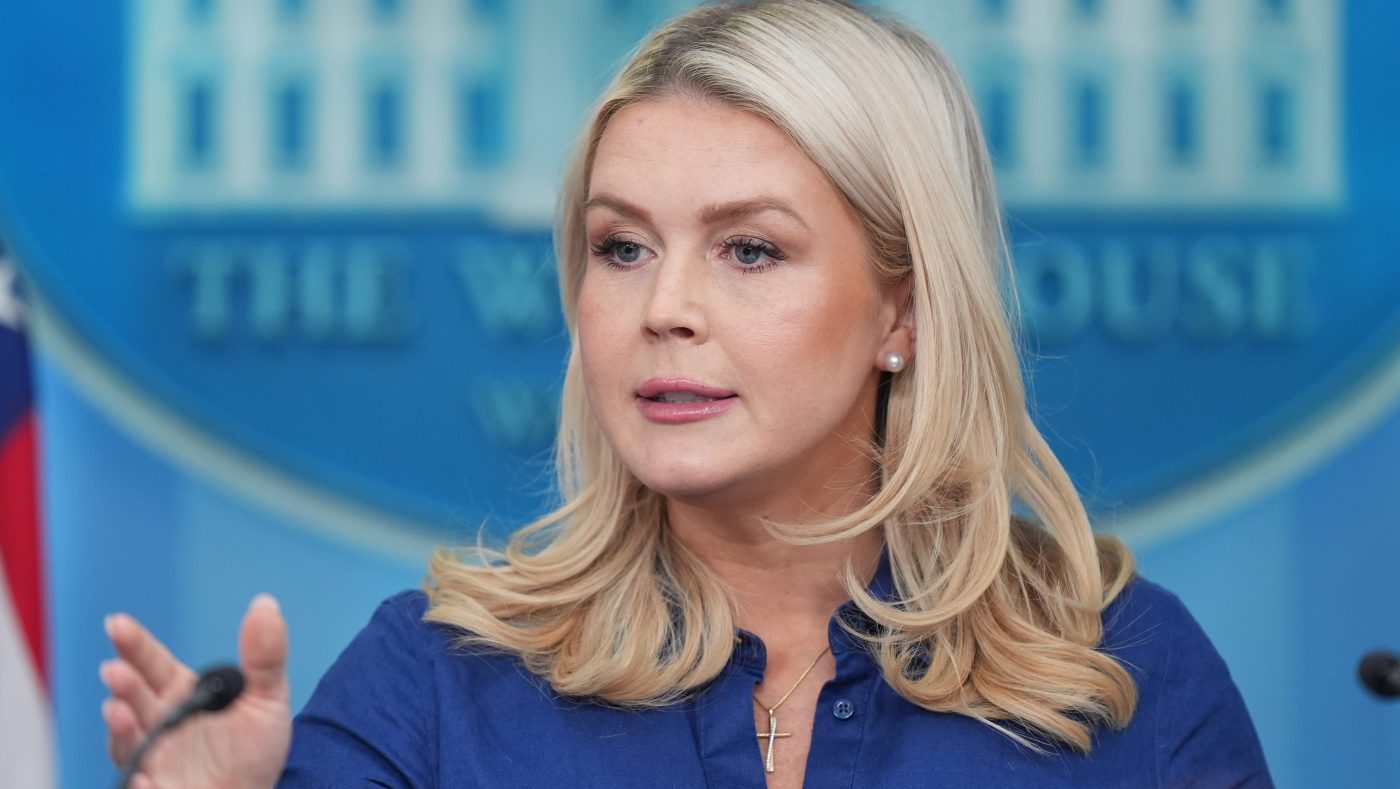
Iranian outlets reported the closure of the critical global oil chokepoint, the Strait of Hormuz, citing Israel's bombardment of Iranian-backed Hezbollah positions in Lebanon as the cause. The White House swiftly and forcefully rejected the assertion. Press Secretary Karoline Leavitt accused Iran of dishonesty, stating, "These reports publicly are false." She pointed to increased maritime traffic in the strait as evidence and reiterated the U.S. demand for it to remain open.
The conflicting narratives injected immediate uncertainty into the fragile diplomatic arrangement, which had initially buoyed financial markets. The episode underscored the high economic stakes of the conflict and the pressure on the administration to sustain the pause in fighting.
Lebanon: The Central Flashpoint
The core dispute revolves around whether the ceasefire covers the conflict between Israel and Hezbollah in Lebanon. Israel launched its most intense strikes of the war there on Wednesday, with Lebanese authorities reporting hundreds of casualties. Pakistan, the mediator, has stated Lebanon was included in the ceasefire terms, but both the U.S. and Israel maintain it was not. President Trump referred to Lebanon as a "separate skirmish" in a recent interview.
This discrepancy has become the primary point of contention. Iranian Foreign Ministry spokesperson Esmaeil Baqaei accused the U.S. of reneging on the deal, while Vice President JD Vance framed it as a "legitimate misunderstanding." Vance stated the U.S. never promised to include Lebanon, though he suggested Israel was exercising some restraint to aid the broader negotiation. He warned that if Iran lets the talks "fall apart" over this issue, "that's ultimately their choice."
Iranian Leadership Signals Doubt
Doubts about the ceasefire's viability were echoed by senior Iranian officials. Parliamentary Speaker Mohammad Bagher Qalibaf posted on social media that the agreement's basis had been "openly and clearly violated" before negotiations even began, citing the Lebanon attacks, a drone incursion, and the issue of uranium enrichment. He declared a bilateral ceasefire "unreasonable" under the circumstances.
Vance, in response, questioned Qalibaf's comprehension of the negotiations and suggested that having only three points of frustration indicated substantial underlying agreement. The Vice President is scheduled to lead the U.S. delegation, including special envoy Steve Witkoff and Jared Kushner, to talks in Islamabad.
A 'Fragile Truce' Under Fire
The ceasefire's first day was further marred by reports of Iranian attacks against U.S. Gulf allies Bahrain, Kuwait, and the UAE. Vance openly acknowledged the precarious nature of the agreement, calling it a "fragile truce." He emphasized that while President Trump has chosen diplomacy, the U.S. retains significant military and economic leverage. "If the Iranians don't do the exact same thing," Vance cautioned, "they're going to find out that the president of the United States is not one to mess around."
The situation leaves the path to sustained negotiations fraught. The immediate future hinges on whether the dispute over the Strait of Hormuz is resolved and if hostilities in Lebanon can be contained, even if formally outside the ceasefire's scope. The coming days will test whether this pause can evolve into a more stable diplomatic process or collapse under the weight of regional rivalries and conflicting interpretations.