Ceasefire Scope Dispute Sparks Diplomatic Tension
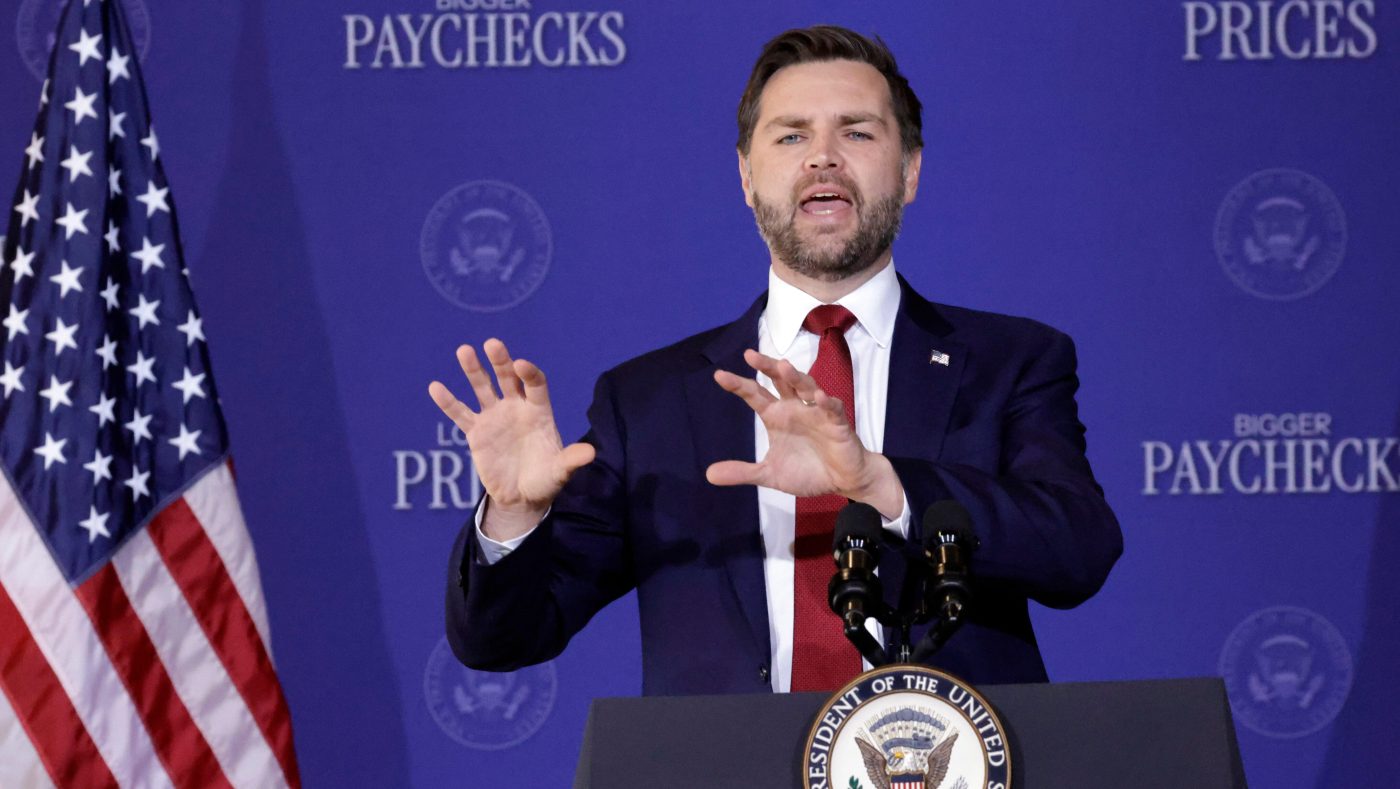
Vice President J.D. Vance stated Wednesday that conflicting interpretations of a recent ceasefire agreement between the United States and Iran stemmed from a "legitimate misunderstanding," specifically regarding the status of Lebanon. The comments came after Iranian officials condemned the U.S. following an Israeli military operation in Lebanon, which hosts the Iranian-backed militant group Hezbollah.
"I think this comes from a legitimate misunderstanding," Vance told reporters. "The Iranians thought the ceasefire included Lebanon, and it just didn't. We never made that promise." He added that, according to his understanding, Israeli forces had voluntarily offered to exercise some restraint in Lebanon to avoid jeopardizing the broader diplomatic negotiation.
Contradictory Claims from Global Leaders
The confusion was amplified by public statements from other world leaders. Pakistan's Prime Minister Shehbaz Sharif, in a post on social media platform X, had announced the ceasefire framework Tuesday, explicitly stating it applied "everywhere including Lebanon and elsewhere, EFFECTIVE IMMEDIATELY." Iran's Speaker of Parliament, Mohammad-Bagher Ghalibaf, echoed this position, asserting Lebanon was covered.
However, both President Donald Trump and Israeli Prime Minister Benjamin Netanyahu directly contradicted those claims on Wednesday. "They were not included in the deal. That'll get taken care of too. It's all right," Trump said. When pressed by PBS about whether he approved of continued Israeli strikes in Lebanon, the President replied, "it's part of the deal," characterizing the conflict as a "separate skirmish" that "everyone knows" was excluded from the U.S.-Iran understanding.
The Iranian parliamentary speaker warned that this perceived violation makes it "unreasonable" to proceed with upcoming talks aimed at securing a more durable ceasefire, casting doubt on the next phase of diplomacy. This dispute over the agreement's geographic scope reveals the fragile nature of the truce and the challenges in managing parallel conflicts involving allied proxy forces.
Diplomatic Fallout and Next Steps
White House Press Secretary Karoline Leavitt confirmed that Vice President Vance, who helped broker the initial ceasefire phase in coordination with Chinese officials, is scheduled to lead follow-on peace talks in Islamabad later this week. The success of these negotiations is now under a cloud due to the public disagreement over fundamental terms.
The incident underscores the complex and often contradictory messaging that can emerge from multi-party deals involving adversarial nations. It also highlights the ongoing volatility of the Lebanese front, where Israeli operations have recently intensified. The administration's effort to compartmentalize the Iran negotiation from the Israel-Hezbollah conflict appears to have generated significant diplomatic friction.
This episode follows previous warnings from Vance about the risks of escalation with Iran, having privately cautioned President Trump that a wider war could destabilize the region. The current misunderstanding tests the ceasefire's durability and the administration's capacity to maintain separate, simultaneous diplomatic tracks in a highly volatile theater.
The coming days will determine whether this "legitimate misunderstanding" can be clarified without causing a complete breakdown in talks, or if it becomes a pretext for a renewed cycle of violence. The situation remains precarious, with all parties watching to see if the fragile truce labeled by Vance himself can hold.