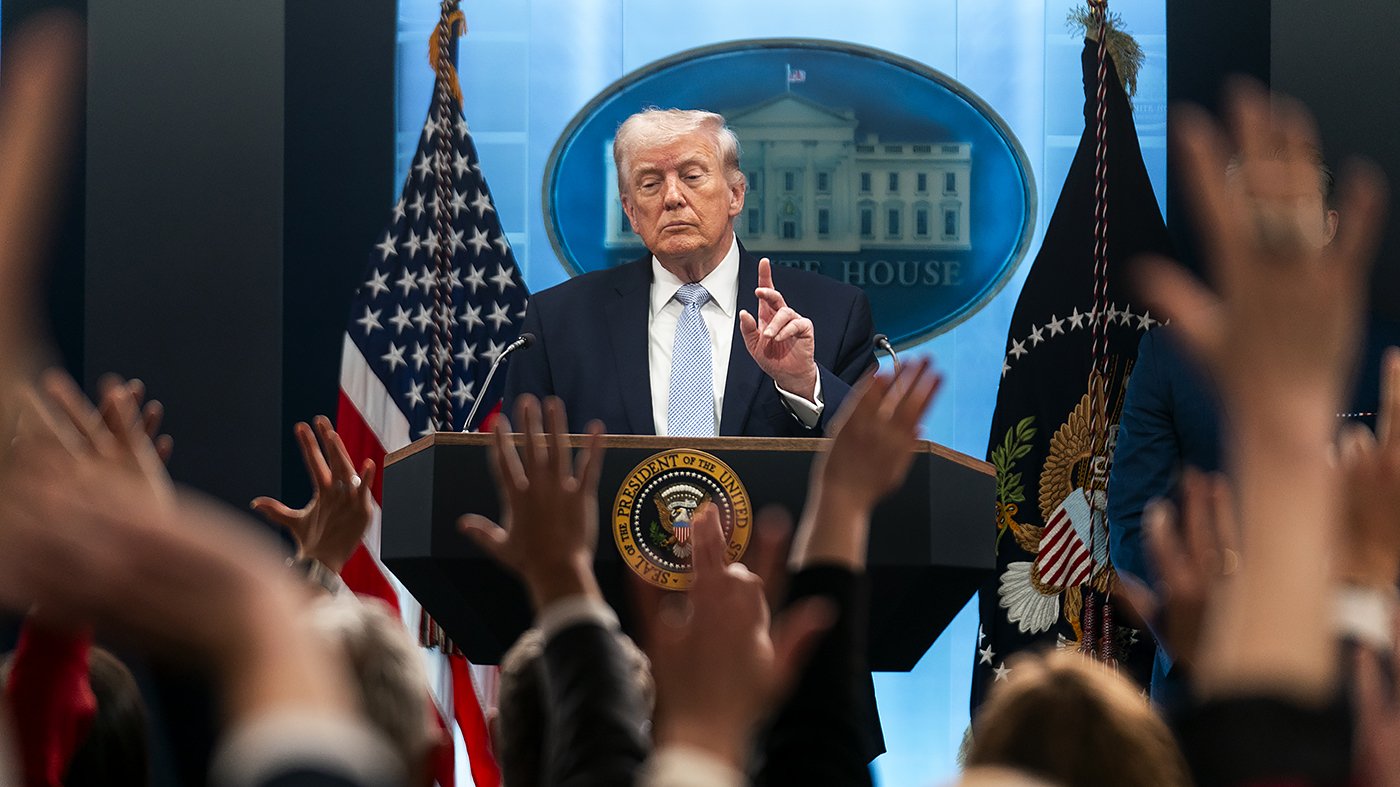
A fragile two-week ceasefire between the United States and Iran, announced by President Donald Trump just hours before a deadline for American strikes, is already showing significant fractures. The agreement, which followed Trump's dramatic pivot from threats against Iran to accepting a proposal from Tehran, now faces immediate challenges from continued regional violence and contradictory statements from both governments.
Within a day of the announcement, Iran launched missiles and drones at several Gulf states, while Israel conducted extensive airstrikes in Lebanon. These actions directly threaten the ceasefire's core, with Iran explicitly linking the reopening of the strategically vital Strait of Hormuz to an end to Israeli operations. The status of the strait, through which a fifth of global oil shipments pass, has become a central point of confusion, with U.S. officials declaring it open while maritime monitors report only minimal traffic.
Does the Ceasefire Cover Lebanon?
A major point of contention is whether the U.S.-Iran agreement encompasses the conflict between Israel and Hezbollah in Lebanon. The Trump administration, including Vice President J.D. Vance who helped negotiate the deal, insists it does not. This directly contradicts claims from other diplomatic quarters, including Pakistani Prime Minister Shehbaz Sharif, who stated the ceasefire includes Lebanon. The discrepancy has led to accusations from Tehran that Washington is violating terms, as detailed in our report on Iran accusing the U.S. of breaching the agreement.
Israeli airstrikes on Wednesday, described as the most significant since the conflict with Hezbollah began, killed hundreds in southern Lebanon and Beirut. Iranian Foreign Minister Abbas Araghchi stated the U.S. must choose between the ceasefire and "continued war via Israel," putting the onus squarely on Washington. The administration has attributed some of the confusion to a "legitimate misunderstanding" over the Lebanon question.
Unclear Future for the Strait of Hormuz
The ceasefire's viability is explicitly tied to the Strait of Hormuz, which Iran closed in late February, triggering a global energy crisis. Iranian officials stated safe passage during the ceasefire would require coordination with its military, citing "technical limitations." Defense Secretary Pete Hegseth initially declared the strait open, but Iran reportedly closed it again hours later in response to Israeli strikes. White House press secretary Karoline Leavitt dismissed reports of its closure as "false," suggesting a disconnect between public and private communications, a theme explored further in coverage of the conflicting Hormuz claims.
Should access resume, it remains unclear whether Iran will implement a proposed "toll booth" system, charging ships $1 per barrel of oil in cryptocurrency. The regime has suggested allowing only 12 ships per day during the ceasefire, a fraction of the pre-war volume. Notably, President Trump told ABC News he is considering a "joint venture" with Tehran to control and collect tolls in the waterway.
Will Iranian Forces Stand Down?
Despite the agreement, Gulf states including Qatar, Kuwait, Saudi Arabia, and the UAE reported intercepting new waves of Iranian missiles and drones on Wednesday, targeting critical energy and water infrastructure. U.S. officials offered conflicting explanations. Leavitt boasted that American strikes had degraded Iran's command and control, while Hegseth suggested rogue elements might not have received ceasefire orders, quipping that Iran needed to "get the carrier pigeons" to remote troops.
Senior Iranian military figures signaled readiness to resume full hostilities if the regime's interests are not secured. Major General Mohsen Rezaei, a former commander of the Islamic Revolutionary Guard Corps, declared that "the hand of the armed forces remains on the trigger" until the state's interests are completely protected. This persistent threat of renewed conflict has prompted Senate Democrats to force a vote aimed at curbing the president's war authority.
The rapid unraveling of the ceasefire highlights the profound lack of trust and clear communication between Washington and Tehran. With key terms—from geographic scope to the mechanics of reopening a global oil chokepoint—in open dispute, the 14-day pause appears less a diplomatic breakthrough and more a precarious interlude. As military actions continue and rhetoric remains charged, the agreement brokered under the threat of imminent U.S. strikes now faces its most immediate test: surviving its first few days.