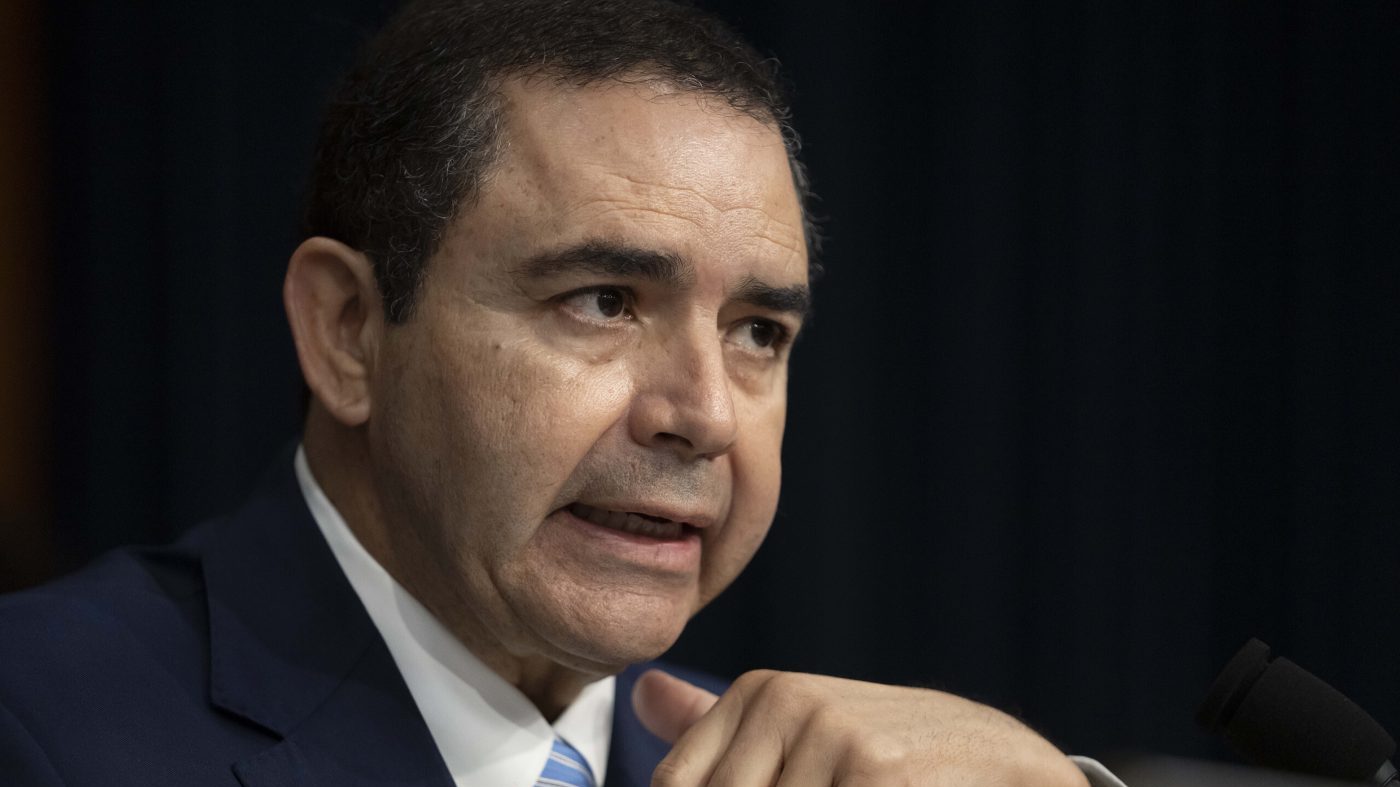
Democratic Representative Henry Cuellar of Texas announced Tuesday a significant reversal in his position on presidential war powers, stating he will support a House resolution to curtail military action against Iran when it returns for another vote. The move comes after Cuellar was one of only four House Democrats to vote against a similar resolution earlier this month.
A Shift Driven by Rhetoric and Strategy
In a detailed statement, Cuellar pointed to President Trump's recent social media threat that "a whole civilization will die" in Iran as a catalyst for his changed stance. The president issued the ultimatum Tuesday morning, setting an evening deadline for Iran to lift restrictions on shipping through the Strait of Hormuz, before later suspending planned strikes for two weeks following diplomatic intervention.
"I respect the weight of the decisions before the president and the responsibility he carries to protect the American people," Cuellar wrote. "However, I believe we must be careful with the language we use. Strength and destruction are not the same. The words we choose matter, not just here at home, but around the world."
Demanding Clarity from the Administration
The Texas lawmaker emphasized that his support for the war powers resolution stems from insufficient answers from the Trump administration regarding long-term objectives and an exit strategy for U.S. involvement in Iran. "So far, those answers have not been sufficient," Cuellar noted. "And because of that, I intend to support a war powers resolution when it comes before the House again. Not as a rebuke, but as a reaffirmation of Congress' constitutional role and our shared responsibility to the American people."
Cuellar's previous vote on March 5 placed him alongside Democratic Reps. Jared Golden of Maine, Greg Landsman of Ohio, and Juan Vargas of California in opposing the resolution sponsored by Republican Rep. Thomas Massie. That measure failed narrowly, 219-212. The impending vote occurs as some analysts see shifting political dynamics ahead of the next election cycle.
Democratic Leadership Moves Quickly
House Minority Leader Hakeem Jeffries told CNN Tuesday that Democrats plan to bring another war powers resolution to the floor "as soon as it becomes available to us to do so, as a matter of privilege" when the chamber returns to session next Monday. Cuellar's reversal could prove crucial in a closely divided House where the GOP holds a narrow majority.
The political context for the debate intensified with Trump's Tuesday morning social media post, which declared, "A whole civilization will die tonight, never to be brought back again." He added, "I don't want that to happen, but it probably will," before suggesting that "revolutionarily wonderful" change might occur in Iran. The president's rhetoric drew sharp rebukes from some Republican lawmakers and was later denounced by religious figures including Pope Leo XIV as morally unacceptable.
Diplomatic Intervention Alters Course
Later Tuesday, Trump announced he would suspend military action against Iran for two weeks after speaking with Pakistani Prime Minister Shehbaz Sharif and Pakistani army chief Asim Munir. The president stated an Iranian 10-point proposal to end hostilities would be "finalized and consummated" during this period. According to The Associated Press, Iran's Supreme National Security Council accepted the two-week ceasefire and agreed to begin negotiations with U.S. officials in Islamabad starting Friday.
This diplomatic pause follows the president's announcement of a temporary halt to military action, which the Pentagon is scheduled to brief on in coming days. The developments come amid broader concerns about presidential authority and congressional oversight, with one House Democrat having filed impeachment articles over the Iran war threats, and amid discussion about the president's mental state during the crisis.
Cuellar's changed position underscores growing congressional unease with unilateral executive action in foreign conflicts and sets the stage for a consequential vote when lawmakers return to Washington.