Top Defense Officials to Address Press Following Sudden Policy Shift
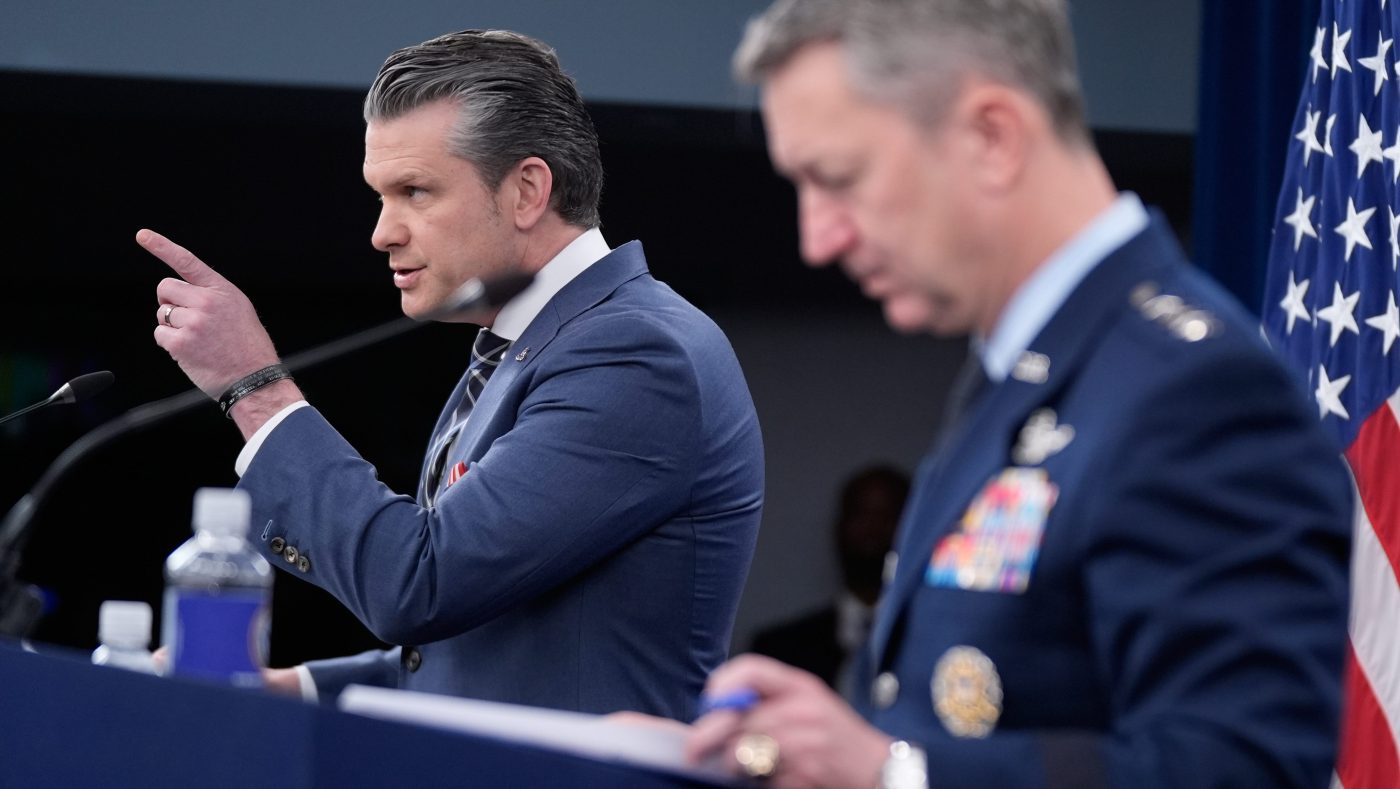
Defense Secretary Pete Hegseth and Joint Chiefs of Staff Chairman General Dan Caine are scheduled to hold a press briefing at the Pentagon on Wednesday morning. This comes in direct response to President Donald Trump's unexpected announcement of a two-week suspension of U.S. military strikes against Iran. The briefing, set for 8 a.m. EDT, was rescheduled after the Pentagon canceled a similar session planned for Tuesday.
A Day of Dramatic Escalation and De-escalation
The canceled Tuesday briefing was to occur just hours before a presidential deadline for Iran to reopen the strategic Strait of Hormuz. Earlier that day, Trump escalated tensions with a stark social media post. "A whole civilization will die tonight, never to be brought back again," he wrote on Truth Social, explicitly referring to Iran. He added, "I don't want that to happen, but it probably will," while suggesting that recent regime change in Tehran could lead to a positive outcome. The post concluded with a call to "God Bless the Great People of Iran!" This rhetoric followed earlier threats against Iranian infrastructure on Easter Sunday, which legal experts noted could constitute war crimes under international law if civilian targets were involved.
However, the situation shifted dramatically later on Tuesday. Following diplomatic outreach from Pakistani Prime Minister Shehbaz Sharif, Trump reversed course. He announced a "double sided CEASEFIRE" for two weeks, stating the decision was made after conversations with Sharif and Pakistani Army Chief Asim Munir.
Trump Cites Military Objectives Met, Diplomatic Breakthrough
In his announcement, the president claimed the U.S. had "already met and exceeded all Military objectives" and was making significant progress toward a "definitive Agreement concerning Longterm PEACE with Iran, and PEACE in the Middle East." A key development, according to Trump, was the receipt of a "10 point proposal from Iran," which he described as a "workable basis on which to negotiate." He stated that most previous points of contention had been resolved between the two nations, and the two-week window would allow for finalizing an agreement. The announcement has sparked significant political reaction, including from Republican Senator Lisa Murkowski, who broke with the president over his earlier 'civilization' threat.
Iran Accepts Ceasefire, Negotiations Set for Islamabad
The Iranian Supreme National Security Council has officially accepted the two-week ceasefire, according to The Associated Press. Furthermore, the council confirmed that direct negotiations between the United States and Iran will commence this Friday in Islamabad, Pakistan. This sets the stage for a critical diplomatic engagement aimed at resolving the prolonged crisis. The president's aggressive posture toward Iran has also prompted a House Democrat to file impeachment articles over the war threats.
Israeli Actions Add Complexity to Truce
Complicating the U.S.-announced ceasefire, an Israeli military official told the AP that Israeli forces are continuing attacks against Iranian targets. This claim directly contradicts the White House's assertion that Israel had agreed to the suspension of hostilities. The discrepancy points to potential fissures in coordination between Washington and its key ally and raises questions about the durability of the pause. The intense pressure of the crisis has fueled broader political commentary, with strategist James Carville claiming Trump's mental state is declining rapidly amid the tensions.
The upcoming Pentagon briefing is now poised to address the operational implications of the ceasefire, the status of U.S. forces in the region, and the military's role in supporting the new diplomatic track. Officials will likely face questions about the coordination with Israel and the assessment that military objectives have been fully met. This sudden pivot from brinkmanship to diplomacy marks one of the most volatile periods in recent U.S.-Iran relations, with the world watching to see if negotiations can solidify a lasting deal. The episode has drawn condemnation from religious leaders, including Pope Leo XIV, who denounced the president's earlier ultimatum as morally unacceptable.